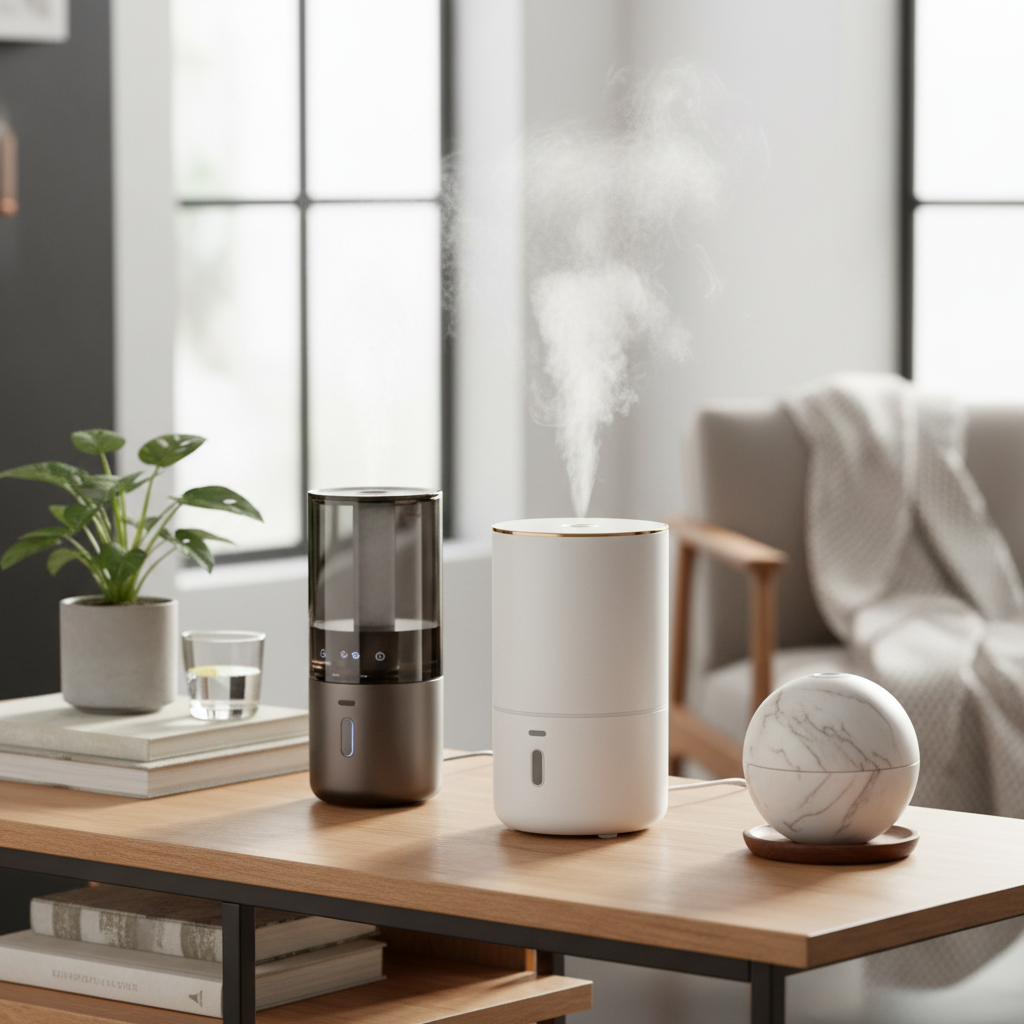
Maintaining a healthy home environment often involves ensuring optimal humidity levels, especially with the help of a humidifier. However, the benefits of a humidifier are quickly negated if the device itself becomes a breeding ground for bacteria or disperses mineral dust into the air. At the heart of most ultrasonic humidifiers lies the transducer plate, a critical component responsible for transforming water into a fine mist. Over time, this small but mighty part can accumulate stubborn mineral deposits and even unsightly mold, diminishing its efficiency and compromising the air quality you breathe. Understanding how to properly and safely clean this transducer plate is paramount to enjoying truly clean and beneficial humidification. This guide will walk you through the essential steps, tools, and safety precautions needed to keep your humidifier’s transducer plate spotless and functioning optimally, ensuring your home remains a haven of fresh, healthy air.
Understanding Your Humidifier’s Transducer Plate
The transducer plate, often referred to as the ultrasonic membrane or diaphragm, is the core component in ultrasonic humidifiers that vibrates at a high frequency to convert water into a fine, breathable mist. This rapid vibration is what atomizes the water, allowing it to be dispersed into your room.
This crucial component frequently gets dirty primarily due to mineral deposits, commonly known as scale or “white dust,” which are left behind by hard water as it evaporates. Over time, these minerals, along with potential mold or bacteria that thrive in stagnant water, can build up on the plate’s surface. A dirty transducer plate significantly hinders the humidifier’s ability to produce mist efficiently and can even lead to unhealthy airborne particles. When the plate is covered in mineral buildup, its vibrations are dampened, leading to reduced mist output and increased energy consumption. More critically, a contaminated transducer plate can aerosolize bacteria, mold spores, and mineral dust directly into your indoor air, potentially triggering respiratory issues or allergies.
When and How Often to Clean Your Transducer Plate
For optimal performance and air quality, you should clean your humidifier’s transducer plate regularly. Ideally, a quick rinse and wipe-down should be performed daily, while a more thorough deep clean with a descaling solution is recommended at least once a week, especially if you use your humidifier frequently or have hard water.
You’ll know it’s time for cleaning if you observe a noticeable reduction in mist output, even when the water tank is full. Visible signs of buildup, such as white, crusty mineral deposits or slimy discoloration on the transducer plate or surrounding area, are also clear indicators. Don’t wait for these obvious signs; consistent maintenance is key to preventing problems before they start and ensuring your humidifier always delivers clean, healthy mist.
Essential Tools and Cleaning Agents
Before you begin the cleaning process, gather the right tools and cleaning agents to ensure a safe and effective outcome. The primary cleaning agent recommended for dissolving mineral buildup is white vinegar, which can be used either undiluted or in a 50/50 mixture with water, depending on the severity of the scale. For scrubbing away loosened deposits, you will need a small, soft brush, such as an old toothbrush, a bottle brush, or a nylon dish brush. Q-tips are also excellent for reaching into small crevices around the plate. Finally, ensure you have clean tap water for rinsing and a soft cloth for wiping down surfaces.
It is crucial to know what to avoid during this process. Abrasive scrubbers, steel wool, or harsh chemical cleaners (other than vinegar or, with extreme caution, bleach, never mixed with vinegar) can damage the delicate transducer plate and other humidifier components. Never use alcohol on ultrasonic parts, as it can dry out and degrade rubber seals and plastic elements over time, compromising the device’s integrity. Sticking to these recommended tools and solutions will help preserve your humidifier and ensure its longevity.
Step-by-Step Guide to Safely Cleaning Your Humidifier Transducer Plate
Cleaning your humidifier’s transducer plate might seem daunting, but by following these clear, safe steps, you can ensure your device remains hygienic and efficient.
- Safety First: Unplug and Disassemble: Before touching any part of your humidifier, always unplug it from the power outlet. This is the most crucial safety step to prevent electric shock. Once unplugged, empty all remaining water from the tank and the base. Carefully disassemble your humidifier, separating the water tank, base, and any removable components according to your manufacturer’s instructions.
- Prepare the Cleaning Solution: For effective descaling, pour either undiluted white vinegar or a 50/50 mixture of white vinegar and water directly into the humidifier’s base or reservoir, ensuring the transducer plate is fully submerged. The exact amount will depend on the size of your humidifier and the extent of the mineral buildup.
- Soak to Loosen Buildup: Allow the vinegar solution to soak on the transducer plate for approximately 15 to 20 minutes. This soaking period is critical, as it gives the acidic vinegar time to break down and loosen stubborn mineral deposits and scale that have accumulated on the plate’s surface. For very heavy buildup, you may extend the soaking time slightly, but generally, 20 minutes is sufficient.
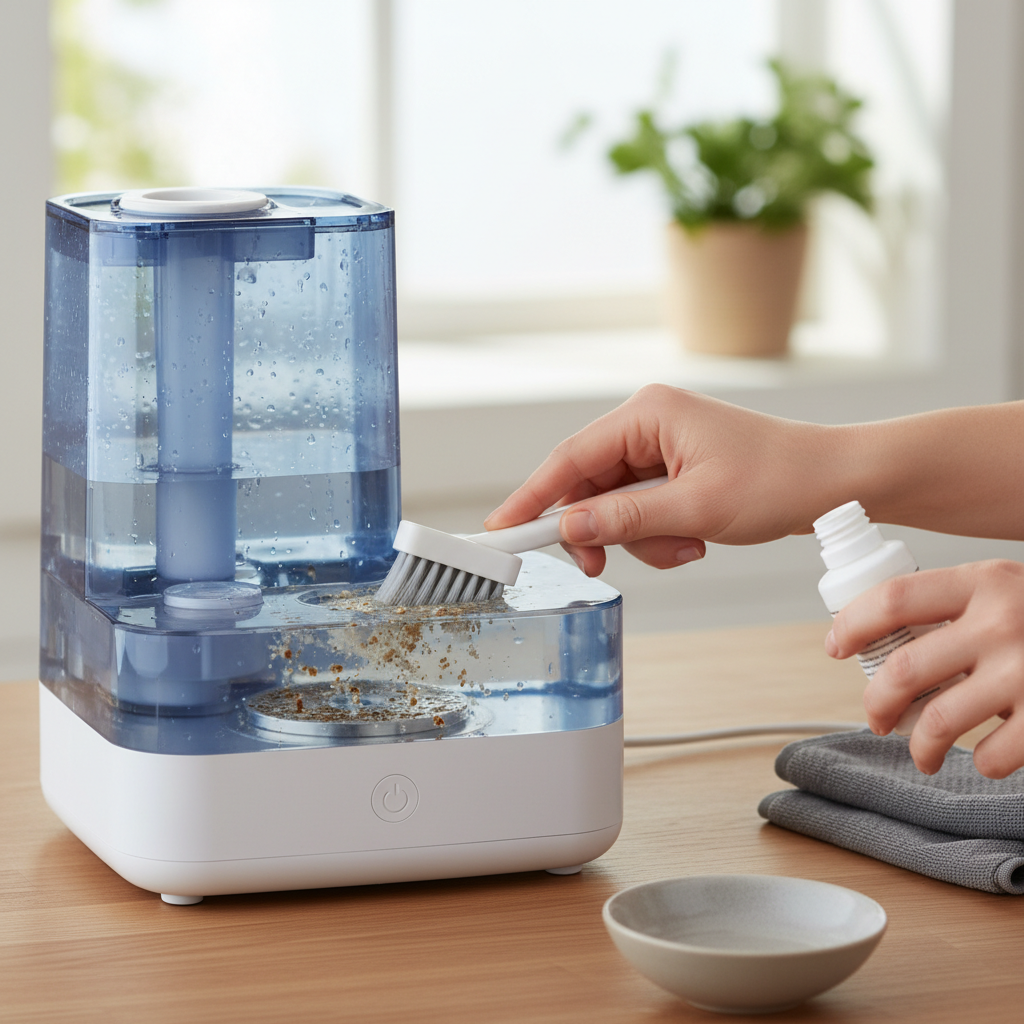
- Gentle Scrubbing: After soaking, carefully pour out the vinegar solution. Use a soft brush, like an old toothbrush or a Q-tip, to gently scrub the transducer plate and the surrounding areas. Focus on dislodging any remaining white mineral crusts or visible residue. Remember, the transducer plate is delicate; avoid applying excessive force or using abrasive materials that could scratch or damage its surface.
- Thorough Rinsing: Once all visible buildup is removed, thoroughly rinse the transducer plate and the entire base with clean tap water. It is essential to flush away all vinegar residue and loosened deposits. When rinsing the base, be careful not to submerge the electrical components or spray water directly into vents or openings that could lead to internal damage. Continue rinsing until the smell of vinegar is completely gone, indicating no residue remains.
- Drying and Reassembly: After rinsing, wipe down all parts with a soft, clean cloth and allow them to air dry completely before reassembling your humidifier. Ensuring all components are thoroughly dry prevents immediate re-growth of mold or mildew. Once dry, reassemble your humidifier according to the manufacturer’s instructions, and it will be ready for its next use, providing clean and healthy mist.
Important Safety Precautions and Tips
Cleaning your humidifier’s transducer plate effectively hinges on adherence to crucial safety precautions and smart practices. Always unplug your humidifier before any cleaning or maintenance to eliminate the risk of electric shock. Never submerge the humidifier base or any electrical components in water, as this can cause severe damage to the unit and pose a safety hazard. A vital warning: never mix bleach and vinegar. Combining these two common household cleaners creates highly toxic chlorine gas, which is extremely dangerous if inhaled. Always use one cleaning agent at a time. Furthermore, avoid using alcohol on the delicate rubber seals and plastic parts of your humidifier, as alcohol can dry out and degrade these materials, leading to leaks or malfunction. For best results and to prevent voiding warranties, always refer to your specific humidifier’s manufacturer’s manual for model-specific cleaning instructions and warnings. To minimize future mineral buildup, consider using distilled water instead of tap water in your humidifier, as it contains significantly fewer minerals.
Common Mistakes to Avoid When Cleaning
Even with the best intentions, several common mistakes can damage your humidifier or compromise its effectiveness and safety during cleaning. One of the most frequent errors is using abrasive materials such as harsh scrub brushes, steel wool, or abrasive cleaning pads. These can scratch and irrevocably damage the delicate surface of the transducer plate, impairing its ability to produce mist. Another significant mistake is mixing incompatible cleaners, particularly bleach and vinegar, which, as mentioned, creates dangerous fumes. Always choose one appropriate cleaning agent and stick to it. Neglecting regular cleaning is also a major oversight; allowing mineral buildup and biofilm to accumulate makes the cleaning process much harder and reduces your humidifier’s efficiency, while also spreading unhealthy particles into the air. Improper rinsing leaves behind cleaning solution residues, which can then be dispersed into the air with the mist, potentially causing respiratory irritation. Finally, forcing parts during disassembly or reassembly can break fragile components, leading to leaks or malfunction. Patience and gentle handling are key to successful humidifier maintenance.
Maintaining a Clean Humidifier for Optimal Health
Beyond the essential cleaning of the transducer plate, a holistic approach to humidifier maintenance ensures optimal health benefits and extends the life of your appliance. Make it a daily habit to empty any remaining water from the tank and rinse both the tank and the base with fresh water. This simple step prevents the growth of bacteria and mold in stagnant water. As a long-term strategy to combat mineral buildup, consistently using distilled water or demineralized water is highly recommended; this significantly reduces the “white dust” phenomenon and the frequency of deep cleaning required for the transducer plate. If your humidifier model includes filters, ensure you follow the manufacturer’s guidelines for regular cleaning or replacement, as clogged filters can reduce efficiency and air quality. When the humidifying season ends, or if you plan to store your humidifier for an extended period, perform a thorough deep clean of all components, allow them to dry completely, and store the unit in a cool, dry place away from direct sunlight.
“Regular maintenance of your humidifier, especially the transducer plate, is not just about extending its lifespan; it’s about safeguarding the air you breathe.” – Reviewook.com Admin, Humidifier Specialist
Conclusion
Maintaining a clean humidifier, particularly its delicate transducer plate, is fundamental to ensuring healthy indoor air quality and extending the life of your appliance. The transducer plate’s role in creating a fine, breathable mist is vital, but its effectiveness can quickly be compromised by mineral buildup and microbial growth. By consistently following a regimen of safe cleaning with white vinegar, using soft tools, and adhering to crucial safety protocols like unplugging the device and never mixing incompatible chemicals, you empower your humidifier to perform at its best. This diligent care prevents the dispersion of harmful particles into your living space, making your home truly a haven of fresh, clean air. Embrace these practices not just as chores, but as investments in your well-being. What healthy air practice will you adopt next to enhance your home environment?
Frequently Asked Questions
Can I use bleach to clean the transducer plate?
|
Our Picks for the Best Humidifier in 2026
As an Amazon Associate I earn from qualifying purchases.
|
||
| Num | Product | Action |
|---|---|---|
| 1 | LEVOIT Humidifiers for Bedroom Large Room Home, (6L) Cool Mist Top Fill Essential Oil Diffuser for Baby & Plants, Smart App & Voice Control, Rapid Humidification & Auto Mode - Quiet Sleep Mode, Gray |

|
| 2 | Humidifiers for Bedroom Large Room with 7L/1.85Gal Large Humidifier, Smart App & Remote Control, 4 Mist Levels Large Room Humidifiers for Home Midnight |
|
| 3 | LEVOIT Top Fill Humidifiers for Bedroom, 2.5L Tank for Large Room, Easy to Fill & Clean, 28dB Quiet Cool Mist Air Humidifier for Home Baby Nursery & Plants, Auto Shut-off for Safety, 25H |
|
| 4 | MegaWise Topfill 7-colour Night light humidifier for Kid bedroom with 3.5L Large Capacity, No leakage Design Fine Mist Output Auto Shutoff, Essential Oil Safe Tank |
|
| 5 | BREEZOME 6L Humidifiers for Bedroom Large Room & Essential Oil Diffuser, Ultrasonic Top Fill Cool Mist Humidifiers for Baby, Plants, Nursery Last up to 60 Hours, Smart Humidistat Control, Quiet, Black |
|
| 6 | Dreo Humidifiers for Bedroom, 4L Top Fill for Large Room, 36H Runtime, 28 dB Quiet Supersized Cool Mist Air Humidifier for Baby Nursery, Plants, Indoor, Night Light, Easy to Clean & Fill, White |
|
| 7 | Dreo Smart Humidifiers for Bedroom, Top Fill 4L Supersized Humidifier Large Room with 28 dB, 36H Runtime, Touch/APP/Voice Control, Nightlight, Cool Mist Humidifiers for Baby, Plants, Indoor, Black |
|
| 8 | LEVOIT - Humidifiers for Bedroom - Quiet (3L Water Tank) - Cool Mist/Top Fill/Essential Oil Diffuser/25Watt - Home/Large Room - 360° Nozzle - Rapid Ultrasonic Humidification for Baby Nursery/Plant |
|
| 9 | Homvana Humidifiers for Bedroom Home, 3.6 L Cool Mist Top-Fill 34H Super Long Time, Quiet 23dB, Baby Humidifier, Oil Diffuser for Large Room, House, Plant, Nursery, Office, BPA FREE, Ultrasonic (Grey) |
|
| 10 | BOXING 3L Cool Mist Humidifiers, Ultra Quiet 20dB for Bedroom, Baby & Office, Top Fill Air Humidifier for Large Room Home & Indoor Plants, 30H Runtime, Essential Oil Tray, Night Light, BPA-Free, White |
|
While some sources suggest diluted bleach as an alternative for disinfecting, white vinegar is generally preferred for descaling mineral buildup, which is the primary issue for transducer plates. If you opt for bleach, use a very diluted solution (e.g., 1 teaspoon of bleach per gallon of water), and never mix it with vinegar, as this creates dangerous toxic gas. Rinse thoroughly.
How often should I clean my humidifier’s transducer plate?
For daily users, the transducer plate should ideally be rinsed and wiped down daily, with a more thorough cleaning using white vinegar performed at least once a week. If you have particularly hard water or use the humidifier infrequently, adjust your cleaning schedule accordingly to prevent excessive buildup.
What happens if I don’t clean the transducer plate?
Neglecting to clean the transducer plate leads to several issues: reduced mist output, as mineral buildup obstructs vibrations; an increased risk of mold and bacteria growth, which can be dispersed into the air; and ultimately, a less effective and potentially unhealthy humidifying experience that can exacerbate respiratory problems.
Why do I see white dust even after cleaning?
White dust is typically caused by minerals present in tap water. Even after cleaning the transducer plate, if you continue to use hard tap water, these minerals will still be atomized into the air. To eliminate white dust, switch to using distilled or demineralized water in your humidifier.
Is it safe to use tap water in my humidifier?
Using tap water is generally safe for the humidifier itself, but it can lead to rapid mineral buildup on the transducer plate and the dispersion of “white dust” into your air. For optimal health and reduced maintenance, using distilled or demineralized water is highly recommended to minimize these issues.