Humidifiers are vital allies in battling dry indoor air, offering relief from chapped skin, irritated sinuses, and static electricity. Yet, these beneficial devices can quickly turn into a source of indoor air pollution if neglected. When left uncleaned, the moist, warm environment inside a humidifier becomes an ideal breeding ground for mold and bacteria, posing significant health risks. If you’ve spotted unwelcome mold in your humidifier, don’t despair. The good news is that a common household item—white vinegar—is an incredibly effective, natural, and safe solution for restoring your humidifier to pristine, healthy working order. This comprehensive guide will walk you through the precise steps to eliminate mold using vinegar and establish a routine to prevent its return, ensuring you breathe clean, healthy air year-round.
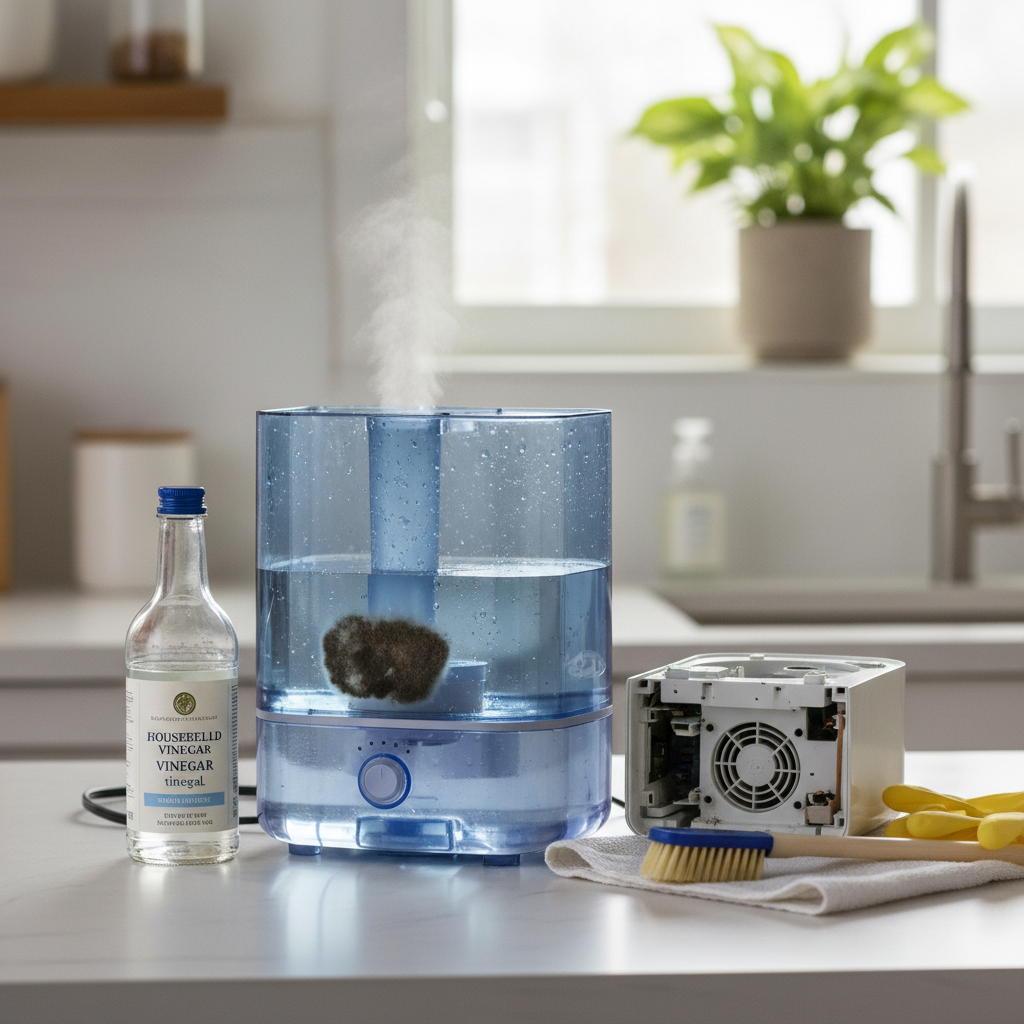
Why Your Humidifier Becomes a Breeding Ground for Mold
Humidifiers excel at introducing moisture into your home, but this very function creates conditions ripe for mold growth. Mold thrives in warm, moist, and stagnant environments, all of which can be found within an improperly maintained humidifier. The primary culprit is standing water left in the tank. If the water isn’t regularly emptied, rinsed, and refilled, it quickly becomes a breeding ground for microorganisms.
Furthermore, tap water contains minerals that, when aerosolized or left behind, can form deposits inside the humidifier. These mineral buildups create rough surfaces where mold spores can easily adhere and flourish. Over time, filters can also become contaminated, and biofilm—a slimy layer of bacteria—can form on internal surfaces, further inviting mold to colonize. Without consistent care, your humidifier inadvertently cultivates the perfect conditions for mold and bacteria to multiply and spread into your living space.
The Hidden Dangers: Health Risks of Moldy Humidifiers
A mold-infested humidifier isn’t just unsightly; it’s a direct threat to your indoor air quality and, consequently, your health. When mold grows inside your humidifier, its spores can become aerosolized and dispersed into the air you breathe. This means that instead of enjoying clean, humidified air, you could be unknowingly inhaling bacteria, minerals, and harmful mold spores directly into your lungs.
Exposure to mold from a humidifier can trigger a range of health issues, especially for individuals with allergies, asthma, or compromised immune systems. Common symptoms include allergic reactions such as sneezing, a runny nose, red eyes, and skin rashes. For those with asthma, mold exposure can severely exacerbate symptoms, leading to increased frequency and severity of asthma attacks. Prolonged exposure can also increase the risk of respiratory infections like bronchitis and pneumonia, cause sinus inflammation leading to chronic sinusitis, and result in general discomforts like headaches, fatigue, and eye irritation. In rare instances, particularly with cool mist or ultrasonic humidifiers, constant exposure to aerosolized contaminants has been linked to chronic lung disease symptoms.
White Vinegar: Your Natural & Powerful Mold-Fighting Solution
When faced with humidifier mold, white vinegar stands out as a highly effective and natural cleaning agent. Its power lies in its acetic acid content, typically around 5%. Acetic acid possesses strong antifungal and antibacterial properties that are instrumental in breaking down mold spores and preventing their growth and spread. Unlike harsh chemical cleaners, white vinegar offers a non-toxic alternative, making it safer for use in an appliance that directly impacts your air quality.
Vinegar works by disrupting the cellular structure of mold, effectively killing it. Beyond its antifungal capabilities, white vinegar is also excellent at dissolving mineral deposits and hard water stains, which often accompany mold growth and provide additional surfaces for mold to cling to. While incredibly potent for most common household molds and minor infestations, it’s worth noting that for extremely severe or deeply embedded mold, multiple treatments or more intensive solutions might be required. Always ensure thorough rinsing to remove any residual vinegar smell after cleaning.
Step-by-Step Guide: Cleaning Humidifier Mold with Vinegar
Tackling humidifier mold with white vinegar is a straightforward process. Follow these steps to ensure a thorough cleaning and a healthier home environment.
1. Preparation: Unplug and Disassemble
|
Our Picks for the Best Humidifier in 2026
As an Amazon Associate I earn from qualifying purchases.
|
||
| Num | Product | Action |
|---|---|---|
| 1 | LEVOIT Top Fill Humidifiers for Bedroom, 2.5L Tank for Large Room, Easy to Fill & Clean, 28dB Quiet Cool Mist Air Humidifier for Home Baby Nursery & Plants, Auto Shut-off for Safety, 25H |

|
| 2 | LEVOIT Humidifiers for Bedroom Large Room Home, (6L) Cool Mist Top Fill Essential Oil Diffuser for Baby & Plants, Smart App & Voice Control, Rapid Humidification & Auto Mode - Quiet Sleep Mode, Gray |
|
| 3 | LEVOIT - Humidifiers for Bedroom - Quiet (3L Water Tank) - Cool Mist/Top Fill/Essential Oil Diffuser/25Watt - Home/Large Room - 360° Nozzle - Rapid Ultrasonic Humidification for Baby Nursery/Plant |
|
| 4 | BOXING 3L Cool Mist Humidifiers, Ultra Quiet 20dB for Bedroom, Baby & Office, Top Fill Air Humidifier for Large Room Home & Indoor Plants, 30H Runtime, Essential Oil Tray, Night Light, BPA-Free, White |
|
| 5 | Dreo Humidifiers for Bedroom, 4L Top Fill for Large Room, 36H Runtime, 28 dB Quiet Supersized Cool Mist Air Humidifier for Baby Nursery, Plants, Indoor, Night Light, Easy to Clean & Fill, White |
|
| 6 | MegaWise Topfill 7-colour Night light humidifier for Kid bedroom with 3.5L Large Capacity, No leakage Design Fine Mist Output Auto Shutoff, Essential Oil Safe Tank |
|
| 7 | BREEZOME 6L Humidifiers for Bedroom Large Room & Essential Oil Diffuser, Ultrasonic Top Fill Cool Mist Humidifiers for Baby, Plants, Nursery Last up to 60 Hours, Smart Humidistat Control, Quiet, Black |
|
| 8 | Homvana Humidifiers for Bedroom Home, 3.6 L Cool Mist Top-Fill 34H Super Long Time, Quiet 23dB, Baby Humidifier, Oil Diffuser for Large Room, House, Plant, Nursery, Office, BPA FREE, Ultrasonic (Grey) |
|
| 9 | Humidifiers for Bedroom Large Room with 7L/1.85Gal Large Humidifier, Smart App & Remote Control, 4 Mist Levels Large Room Humidifiers for Home Midnight |
|
| 10 | Dreo Smart Humidifiers for Bedroom, Top Fill 4L Supersized Humidifier Large Room with 28 dB, 36H Runtime, Touch/APP/Voice Control, Nightlight, Cool Mist Humidifiers for Baby, Plants, Indoor, Black |
|
Safety first! Before you begin, always unplug your humidifier from the power outlet. Empty any remaining water from the tank and base. Carefully disassemble all removable parts, including the water tank, lid, nebulizer (for ultrasonic models), wicks, and any other components that come into contact with water.
2. The Vinegar Soak: Dissolving Mold and Mineral Buildup
Create a powerful cleaning solution by mixing equal parts white vinegar and water. For instance, if your tank is large, use several cups of each. Pour this solution directly into the humidifier’s water tank and, if possible, into the base reservoir. If any detachable parts like the mist nozzle or nebulizer cover also show signs of mold or mineral buildup, submerge them in a separate bowl filled with the same vinegar-water mixture.
Allow the components to soak for at least 20 minutes. For stubborn mold patches or significant mineral deposits, extend the soaking time to an hour or even longer. The acetic acid will work to loosen and dissolve the grime.
3. Scrubbing Away Residue
After soaking, pour out the vinegar solution. Using a soft-bristled brush, an old toothbrush, or a sponge, gently scrub the inside surfaces of the water tank, the base, and all soaked components. Pay close attention to crevices, corners, and areas where mold or mineral buildup is most visible. The vinegar will have softened these residues, making them easier to scrub away. If you encounter particularly persistent stains, you can apply undiluted white vinegar directly to those spots and let it sit for a few minutes before scrubbing again.
4. Rinse Thoroughly
This step is crucial. Rinse all humidifier parts thoroughly under cool, running water. It’s essential to remove all traces of vinegar and loosened residue. Rinse multiple times until you can no longer detect the smell of vinegar. Any lingering vinegar odor can be released into the air when the humidifier operates, which can be unpleasant.
5. Drying & Reassembly
Once rinsed, allow all parts to air dry completely. Mold thrives in damp conditions, so ensuring every component is bone-dry before reassembly is vital for preventing immediate re-growth. You can place them on a clean towel or drying rack. Once fully dry, reassemble your humidifier according to the manufacturer’s instructions.
Beyond Cleaning: Essential Maintenance to Prevent Future Mold
Cleaning mold from your humidifier is only half the battle; preventing its return is key to long-term healthy air. Adopt these routine maintenance practices:
- Daily Habits: Empty any leftover water from the tank and base after each use. Rinse the tank with fresh water and allow it to air dry completely before refilling. Stagnant water is mold’s best friend.
- Weekly Cleaning: Commit to a weekly cleaning schedule using the white vinegar method described above. Regular, thorough cleaning prevents mold and mineral deposits from accumulating to problematic levels.
- Water Choice: Whenever possible, use distilled or demineralized water instead of tap water. Tap water contains minerals that create “white dust” and contribute to mineral buildup, which provides surfaces for mold to attach to.
- Maintain Humidity Levels: Use a hygrometer to monitor your indoor humidity. Aim for relative humidity levels between 30% and 50%. Levels above 60% can encourage mold growth not just in the humidifier, but throughout your home.
- Filter Care: If your humidifier uses filters or wicks, replace them regularly according to the manufacturer’s recommendations. Dirty, old filters are prime spots for mold and bacteria to gather.
- Placement: Position your humidifier in a well-ventilated area, away from walls, drapes, or furniture where moisture might collect and promote mold growth.
When to Say Goodbye: Replacing Your Humidifier
While diligent cleaning with vinegar can often rescue a moldy humidifier, there are instances when replacement is the wiser choice. If you discover severe, pervasive mold that seems impossible to eradicate, especially if it has deeply stained or penetrated porous parts that cannot be replaced, it’s likely time for a new unit. Continuing to use a humidifier with persistent mold can compromise your health, even after attempts at cleaning. Additionally, if the humidifier’s internal components appear damaged, corroded, or are no longer functioning correctly due to mold or mineral buildup, investing in a new humidifier is often safer and more cost-effective in the long run.
Frequently Asked Questions About Humidifier Mold & Cleaning
Is white vinegar safe for all humidifiers?
Yes, white vinegar is generally safe for cleaning most types of humidifiers, including cool mist, warm mist, and ultrasonic models. Its mild acidity is effective against mold and mineral buildup without damaging typical humidifier plastics or components. Always rinse thoroughly to remove all vinegar residue.
How often should I clean my humidifier to prevent mold?
For optimal hygiene and mold prevention, it is recommended to rinse and dry your humidifier’s water tank daily and perform a deep clean with white vinegar at least once a week. If you use your humidifier frequently or have hard water, more frequent cleaning may be beneficial.
Can I use bleach instead of vinegar to clean humidifier mold?
While bleach can kill mold, it is generally not recommended for humidifier cleaning. Bleach can be harsh on internal components, and its fumes can be dangerous to inhale, especially when dispersed through the humidifier’s mist. White vinegar offers a safer, natural, and equally effective alternative for most household humidifier mold.
What kind of water should I use in my humidifier to prevent mold?
Using distilled or demineralized water is highly recommended. Tap water contains minerals that can lead to “white dust” and mineral deposits, which not only provide surfaces for mold to grow but can also be aerosolized into the air. Distilled water significantly reduces these issues.
How do I know if my humidifier has mold?
You can identify mold in your humidifier by visual inspection. Look for black, pink, red, or greenish slimy spots or patches inside the water tank, on the base, or on other internal components. A musty or earthy odor coming from the humidifier’s mist is another strong indicator of mold or bacterial growth.
Conclusion
A clean humidifier is essential for healthy indoor air, providing much-needed moisture without introducing harmful pollutants. While mold can easily take root in neglected units, white vinegar offers a powerful, natural, and safe solution for eliminating these unwelcome guests. By following a consistent cleaning regimen with vinegar and adopting preventative habits like using distilled water and regular drying, you can ensure your humidifier remains a source of comfort and well-being. Don’t let mold compromise your family’s health; embrace these simple cleaning steps to breathe easier and enjoy the full benefits of proper humidification. What consistent cleaning habit will you adopt today to keep your humidifier pristine?