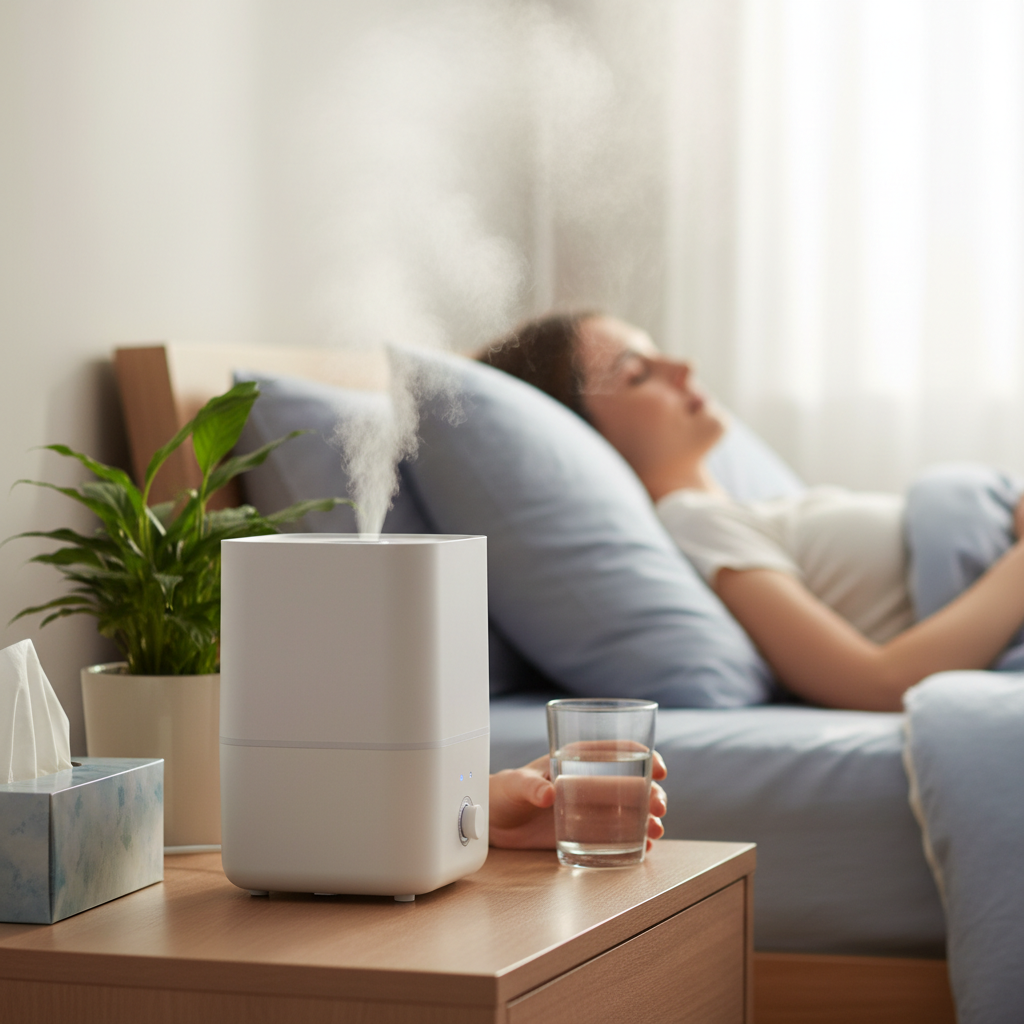
Do you often wake up with a scratchy throat, dry skin, or persistent nasal congestion, especially during colder months or in arid climates? If so, the air in your home might be too dry. While a standard humidifier can add much-needed moisture, a humidifier equipped with a built-in hygrometer offers a significant advantage: precise control over your indoor humidity levels. This crucial feature transforms a simple moisture dispenser into an intelligent environmental manager, ensuring your living space is not just humidified, but perfectly humidified. Let’s delve into the world of smart humidification to help you select the ideal device for a healthier, more comfortable home.
What are Humidifiers? Why You Need One, Especially with a Hygrometer?
|
Our Picks for the Best Humidifier in 2026
As an Amazon Associate I earn from qualifying purchases.
|
||
| Num | Product | Action |
|---|---|---|
| 1 | BREEZOME 6L Humidifiers for Bedroom Large Room & Essential Oil Diffuser, Ultrasonic Top Fill Cool Mist Humidifiers for Baby, Plants, Nursery Last up to 60 Hours, Smart Humidistat Control, Quiet, Black |

|
| 2 | Humidifiers for Bedroom Large Room with 7L/1.85Gal Large Humidifier, Smart App & Remote Control, 4 Mist Levels Large Room Humidifiers for Home Midnight |
|
| 3 | LEVOIT Top Fill Humidifiers for Bedroom, 2.5L Tank for Large Room, Easy to Fill & Clean, 28dB Quiet Cool Mist Air Humidifier for Home Baby Nursery & Plants, Auto Shut-off for Safety, 25H |
|
| 4 | LEVOIT Humidifiers for Bedroom Large Room Home, (6L) Cool Mist Top Fill Essential Oil Diffuser for Baby & Plants, Smart App & Voice Control, Rapid Humidification & Auto Mode - Quiet Sleep Mode, Gray |
|
| 5 | BOXING 3L Cool Mist Humidifiers, Ultra Quiet 20dB for Bedroom, Baby & Office, Top Fill Air Humidifier for Large Room Home & Indoor Plants, 30H Runtime, Essential Oil Tray, Night Light, BPA-Free, White |
|
| 6 | LEVOIT - Humidifiers for Bedroom - Quiet (3L Water Tank) - Cool Mist/Top Fill/Essential Oil Diffuser/25Watt - Home/Large Room - 360° Nozzle - Rapid Ultrasonic Humidification for Baby Nursery/Plant |
|
| 7 | Dreo Humidifiers for Bedroom, 4L Top Fill for Large Room, 36H Runtime, 28 dB Quiet Supersized Cool Mist Air Humidifier for Baby Nursery, Plants, Indoor, Night Light, Easy to Clean & Fill, White |
|
| 8 | Dreo Smart Humidifiers for Bedroom, Top Fill 4L Supersized Humidifier Large Room with 28 dB, 36H Runtime, Touch/APP/Voice Control, Nightlight, Cool Mist Humidifiers for Baby, Plants, Indoor, Black |
|
| 9 | Homvana Humidifiers for Bedroom Home, 3.6 L Cool Mist Top-Fill 34H Super Long Time, Quiet 23dB, Baby Humidifier, Oil Diffuser for Large Room, House, Plant, Nursery, Office, BPA FREE, Ultrasonic (Grey) |
|
| 10 | MegaWise Topfill 7-colour Night light humidifier for Kid bedroom with 3.5L Large Capacity, No leakage Design Fine Mist Output Auto Shutoff, Essential Oil Safe Tank |
|
A humidifier is an appliance that releases water vapor or mist into the air, increasing the humidity level in a room. Its fundamental purpose is to combat dry air, which can cause a myriad of issues from minor discomforts to significant health and home problems. Dry air often leads to chapped lips, itchy skin, irritated nasal passages, and a higher susceptibility to respiratory infections. For many, a humidifier can offer welcome relief, easing coughs, sore throats, and congestion, promoting better sleep and overall well-being.
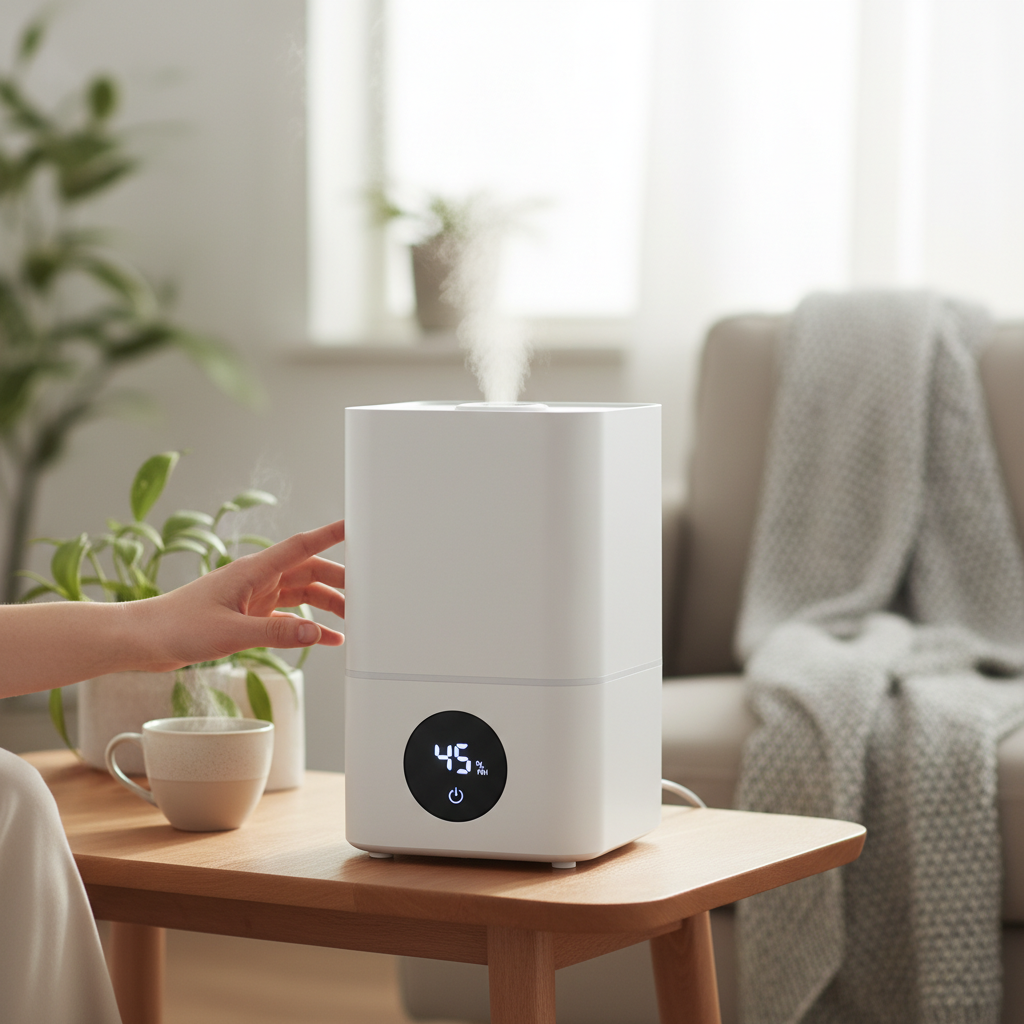
The true game-changer, however, is a humidifier with a built-in hygrometer, often referred to as a humidistat. A hygrometer is a sensor that measures the relative humidity of the air. When integrated into a humidifier, it allows the device to automatically monitor and adjust its output to maintain a predetermined humidity target. This automation is vital because maintaining an optimal indoor humidity range, typically between 40% and 60%, is key. Too little humidity causes dryness, but too much can foster mold and mildew growth, make the air feel stuffy, and even damage wooden furniture or electronics. A built-in hygrometer provides continuous feedback, ensuring your environment remains perfectly balanced without constant manual adjustments, turning a reactive solution into a proactive air quality management system.
Understanding Humidifier Types with Integrated Humidity Control
Humidifiers come in several main types, each with its own method of introducing moisture into the air. When choosing a model with integrated humidity control, understanding these differences will help you find the best fit for your needs and preferences.
Evaporative Humidifiers
Evaporative humidifiers work by drawing dry air over a wicking filter or pad that is saturated with water. A fan then blows this moistened air into the room, creating an invisible, cool mist.
- Pros: They are self-regulating, meaning they won’t over-humidify a room beyond its saturation point, reducing the risk of mold. Since they use a wick to trap minerals, they can often operate effectively with tap water, eliminating “white dust” (mineral residue) common with other types. They are generally energy-efficient for their output.
- Cons: These units require regular replacement of their wicking filters, which adds to operating costs. The fan can produce a constant, albeit often gentle, background noise.
Ultrasonic Humidifiers
Ultrasonic humidifiers use a high-frequency vibrating diaphragm to produce a fine, cool or warm mist that is then dispersed into the air. They are popular for their quiet operation and ability to quickly change room humidity.
- Pros: These humidifiers are notably quiet, making them ideal for bedrooms and offices. They provide immediate mist output and can often offer both cool and warm mist options. Their design often allows for a sleek, modern appearance.
- Cons: Without using distilled water or demineralization tablets, ultrasonic humidifiers can release mineral particles from tap water into the air, causing “white dust” on furniture. This mineral buildup also requires more frequent and thorough cleaning to prevent mold and bacteria growth.
Steam Vaporizers (Warm Mist Humidifiers)
Steam vaporizers, also known as warm mist humidifiers, work by heating water to a boiling point, releasing a clean, warm steam into the air. This process naturally sterilizes the water, killing bacteria and germs before they are released.
- Pros: The warm mist can be particularly soothing for respiratory issues like colds and congestion. The boiling process ensures that the released mist is free from bacteria and other airborne pathogens.
- Cons: They consume more electricity due to the heating element. The hot water and steam present a burn hazard, making them less suitable for homes with young children or pets. Like ultrasonic models, they can accumulate mineral deposits if tap water is used, requiring consistent cleaning.
Comparison Table: Humidifier Types with Built-in Hygrometers
| Feature | Evaporative Humidifiers | Ultrasonic Humidifiers | Steam Vaporizers (Warm Mist) |
|---|---|---|---|
| Mist Type | Cool, invisible | Cool or Warm, visible | Warm, visible steam |
| Noise Level | Moderate (fan noise) | Very quiet | Moderate (boiling sound) |
| Water Type | Tap water generally acceptable | Distilled water or demineralization tablets recommended | Tap water acceptable (sterilized by heat) |
| White Dust | Minimal to none | Common without distilled water | Minimal to none |
| Energy Use | Low to moderate | Low (cool mist), moderate (warm mist) | High |
| Filter Needs | Requires wicking filters (replaceable) | Optional (demineralization cartridges) | Often no filters (mineral traps) |
| Cleaning | Regular filter cleaning/replacement, tank cleaning | Frequent tank and transducer cleaning | Regular tank and heating element descaling |
| Safety Concerns | Low | Low | Burn risk from hot water/steam |
Buying Guide: Key Factors to Consider When Buying a Humidifier with a Hygrometer
Choosing the right humidifier with a built-in hygrometer involves more than just picking a brand. Several factors should influence your decision to ensure the device perfectly meets your household’s needs.
Room Size and Coverage
The most critical factor is ensuring the humidifier’s capacity matches the size of the room you intend to humidify. Humidifiers are rated for specific square footage. An undersized unit will struggle to reach your desired humidity, while an oversized one might lead to over-humidification and potential mold growth.
- Small rooms (under 100 sq ft): Many compact units suffice.
- Medium rooms (100-300 sq ft): Mid-range capacity units are appropriate.
- Large rooms (over 300 sq ft): You’ll need a powerful humidifier with a larger output, sometimes called a whole-house humidifier.
Water Tank Capacity and Run Time
A larger water tank means longer operation without the need for constant refills. If you plan to run your humidifier overnight or for extended periods, look for models with tank capacities that offer a run time of 12-24 hours or more on a single fill. Frequent refilling can become a chore, so larger tanks offer greater convenience.
Noise Level
For devices used in bedrooms, nurseries, or quiet workspaces, noise level is paramount. Ultrasonic humidifiers are generally the quietest, while evaporative models produce a fan hum, and warm mist humidifiers can make boiling sounds. Check the decibel (dB) rating if available; lower numbers indicate quieter operation. Some units offer a dedicated “sleep mode” for reduced noise.
Ease of Cleaning and Maintenance
Regular cleaning is essential to prevent the buildup of bacteria, mold, and mineral deposits, which can be aerosolized into your air. Look for humidifiers with:
- Wide tank openings and removable parts for easy access.
- Top-fill design for convenient refilling without spills.
- Minimal nooks and crevices where dirt can hide.
- Consider models with UV sterilization or antimicrobial materials for enhanced hygiene. Evaporative models require filter replacement, which is a recurring cost and task.
Mist Type (Cool, Warm, or Hybrid)
Your choice of mist type depends on your personal preference and specific needs.
- Cool mist is generally safer, especially for households with children or pets, as there’s no hot water involved.
- Warm mist can feel more soothing and beneficial for respiratory ailments like colds.
- Hybrid models offer both options, providing versatility for different seasons or health needs.
Smart Features and Connectivity
Many modern humidifiers with hygrometers integrate smart technology. These features enhance convenience and control:
- Smartphone app control: Allows you to monitor humidity, adjust settings, set schedules, and receive low-water alerts from anywhere.
- Voice assistant compatibility: Integration with Alexa or Google Assistant for hands-free operation.
- Auto Mode: Works seamlessly with the built-in hygrometer to automatically maintain desired humidity.
- Specialized Modes: Such as “sleep mode” for quiet operation or “plant care mode” (e.g., Levoit’s VeSync app) to optimize humidity for indoor plants.
Operating Cost
Beyond the initial purchase price, consider the long-term running costs. This includes:
- Electricity consumption: Warm mist humidifiers generally use more power.
- Filter replacements: A recurring expense for evaporative models.
- Distilled water or demineralization tablets: Necessary for many ultrasonic humidifiers to prevent white dust, adding to ongoing costs. Evaporative models often eliminate this need.
Accuracy of Hygrometer
While a built-in hygrometer is convenient, its accuracy can sometimes be influenced by its proximity to the mist output. For larger rooms or critical applications (e.g., caring for musical instruments), you might consider using a separate, calibrated hygrometer placed across the room to verify readings and ensure even humidity distribution. Small variations (a few percentage points) between built-in and external sensors are often normal.
Top Humidifiers with Built-in Hygrometers
The market offers a range of excellent humidifiers with integrated hygrometers, each catering to different priorities. Here are some highly-rated options:
- Levoit OasisMist 450S Smart: This model often stands out as an excellent all-around choice. It offers both cool and warm mist, boasts powerful humidification capabilities, and integrates seamlessly with a smart app for advanced scheduling and control. Its plant-friendly features are a unique bonus. While its tank might require more frequent refills at maximum output, its performance and smart capabilities make it a top contender.
- Levoit Classic 300S Ultrasonic Smart: Praised for its convenience and long runtime, the Classic 300S is a solid option for those who prefer less frequent refilling. Its large tank can last for extended periods, and its easy-to-clean design with minimal crevices simplifies maintenance. The VeSync app provides intuitive control, making it user-friendly, though it might be less powerful for very large spaces.
- Levoit LV600S Smart Hybrid Ultrasonic: For humidifying large rooms, the LV600S is a powerhouse. It combines both ultrasonic cool mist and powerful steam options, rapidly increasing humidity levels. Its smart app offers precise control, including specific plant care settings. Be aware that its high output means quicker water consumption and potentially higher energy bills when using the steam function.
- Dreo HM311S Smart Humidifier: This humidifier offers great value, combining affordability with essential smart features. It includes app control and a display for current humidity levels, a significant upgrade from its non-smart counterpart. It’s an easy-to-clean ultrasonic model suitable for small to medium-sized rooms and occasional use, making it a budget-friendly entry into smart humidification.
- Blueair InvisibleMist H35i: An evaporative humidifier that excels in constant use scenarios, largely due to its low operational costs. It can use tap water, eliminating the need for distilled water or demineralization tablets, as its internal wick traps minerals. While its display might be dim and it has a constant fan noise, its efficient, filter-based humidification without white dust makes it a cost-effective and low-maintenance choice for consistent air moisture.
Best Practices for Using and Maintaining Your Humidifier
To maximize the benefits and lifespan of your humidifier with a built-in hygrometer, proper usage and maintenance are critical.
Optimal Humidity Levels
Aim to maintain indoor relative humidity between 40% and 60%. This range is generally considered ideal for human comfort and health, discouraging the growth of dust mites, mold, and bacteria while preventing excessive dryness. Most humidifiers with hygrometers allow you to set a target humidity, and the device will work to achieve and maintain it automatically.
Regular Cleaning
This is perhaps the most important maintenance tip. Humidifiers, especially their water tanks and internal components, can quickly become breeding grounds for bacteria and mold if not cleaned regularly.
- Daily: Rinse the water tank and wipe down accessible surfaces.
- Weekly: Perform a deep clean using a vinegar and water solution (usually a 1:1 ratio) to descale mineral buildup and disinfect. Allow parts to soak, then scrub thoroughly and rinse.
- Filter replacement: For evaporative models, replace wicking filters according to the manufacturer’s recommendations (typically every 1-3 months) to ensure efficiency and prevent mold.
Water Type
For ultrasonic humidifiers, using distilled water or demineralization tablets/cartridges is highly recommended. This prevents the release of “white dust” (mineral particles from tap water) into the air and onto your furniture. Evaporative humidifiers, however, typically use a wick that traps minerals, making tap water generally acceptable.
Placement Tips
Place your humidifier on a flat, water-resistant surface, away from walls, furniture, and electronics. Ensure there’s adequate airflow around the unit to allow for proper mist dispersion and accurate humidity readings. Avoid placing it directly under vents or near windows where drafts might interfere with its operation.
Troubleshooting Common Issues
- No mist/low output: Check water level, ensure unit is properly assembled, clean any mineral buildup on the transducer (for ultrasonic) or replace the filter (for evaporative).
- White dust: Switch to distilled water or use demineralization cartridges.
- Moldy smell: Immediately clean and disinfect the unit thoroughly. If persistent, replace the filter or consider new unit.
- Inaccurate humidity reading: Ensure the hygrometer isn’t too close to the mist output. Use a separate, calibrated hygrometer to cross-check readings.
“Maintaining the right balance of humidity is like finding the perfect temperature for your home; it impacts everything from your comfort to your long-term health. A smart humidifier with an integrated hygrometer takes the guesswork out of achieving that balance.” — John Smith, HVAC Specialist and Indoor Air Quality Expert
Common Questions About Humidifiers with Built-in Hygrometers
How accurate are built-in hygrometers compared to external ones?
Built-in hygrometers offer good accuracy for general home use, but their readings can sometimes be slightly affected by their proximity to the humidifier’s mist output. For critical applications, an external, calibrated hygrometer placed a few feet away can provide a more representative room-wide reading, though a slight variation is often normal.
Can a humidifier with a hygrometer prevent mold?
Yes, by automatically regulating humidity levels, a humidifier with a hygrometer helps prevent both excessively dry and excessively humid conditions. Maintaining humidity within the ideal 40-60% range significantly reduces the risk of mold growth, which thrives in high-humidity environments.
Do all smart humidifiers come with a hygrometer?
Most smart humidifiers designed for automatic operation will include a built-in hygrometer (humidistat) to enable their smart functions, such as auto-mode and target humidity settings. However, it’s always wise to confirm this feature in the product specifications before purchasing.
How often should I calibrate my humidifier’s hygrometer?
Generally, consumer-grade humidifiers with built-in hygrometers do not require user calibration. If you suspect inaccuracy, compare its reading with a trusted external hygrometer. If there’s a significant, consistent discrepancy, contact the manufacturer or consider replacing the unit.
Can I use essential oils in a humidifier with a hygrometer?
Many humidifiers, including those with hygrometers, are designed with a separate essential oil tray or pad. Always use essential oils only in these designated compartments, never directly in the water tank, as oils can damage plastic components and void warranties.
Conclusion
Investing in a humidifier with a built-in hygrometer is a smart step towards creating a truly comfortable and healthy indoor environment. These intelligent devices offer the dual benefit of adding essential moisture to dry air while precisely controlling humidity levels to prevent common issues like dry skin, respiratory discomfort, and even structural damage to your home. By considering factors like room size, mist type, cleaning ease, and smart features, you can confidently choose a humidifier that not only meets your immediate needs but also integrates seamlessly into your lifestyle. With the right unit, you’ll breathe easier, sleep better, and protect your home, all without the constant hassle of manual adjustments. What steps will you take today to optimize the air quality in your home?