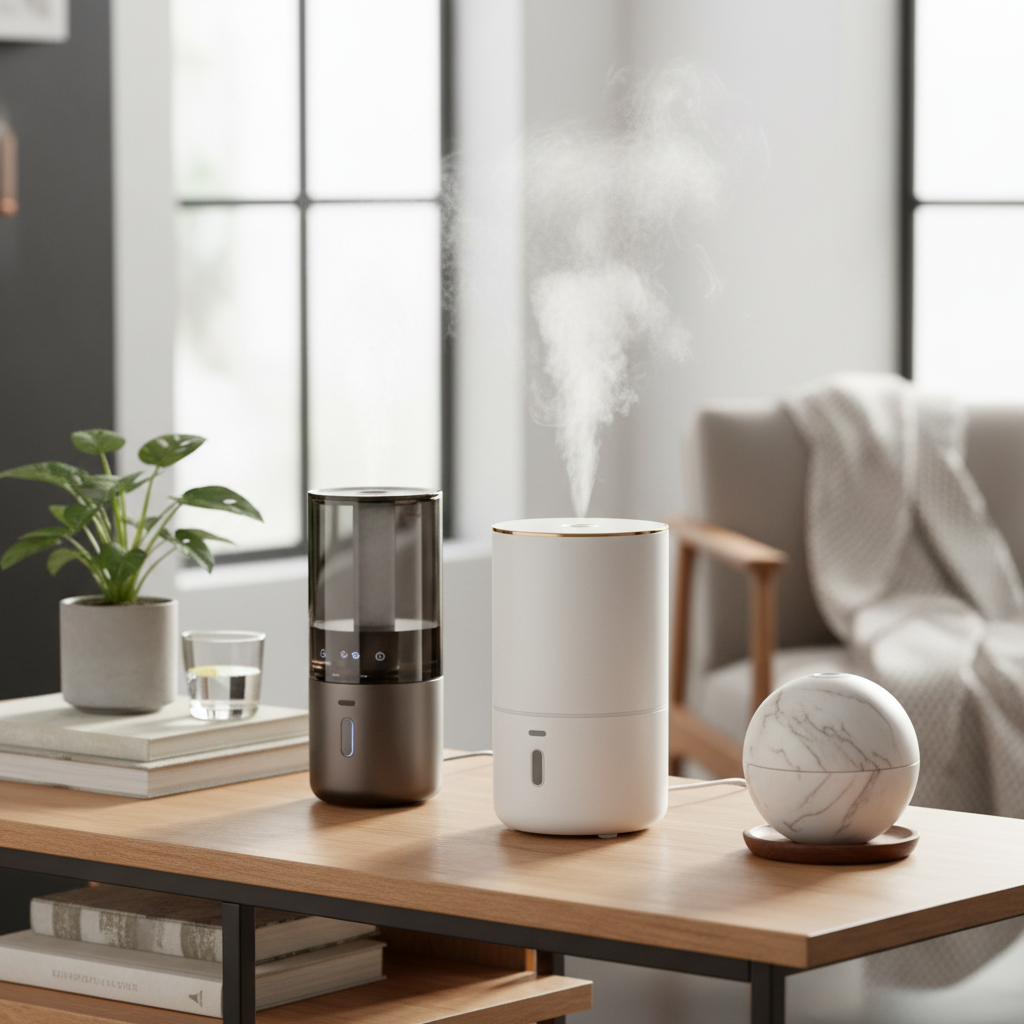
Waking up with a scratchy throat, dry skin, or a stuffy nose during drier months can significantly impact your well-being. These common discomforts are often the tell-tale signs of low indoor humidity. Humidifiers offer a simple yet effective solution by introducing essential moisture back into your environment. However, not all humidifiers are created equal, and understanding the differences between popular types, particularly ultrasonic and evaporative models, is crucial for making a choice that truly supports your health. This guide will delve into their mechanisms, health implications, and maintenance needs to help you find the optimal solution for your home.
What is a Humidifier and Why Do You Need One?
|
Our Picks for the Best Humidifier in 2026
As an Amazon Associate I earn from qualifying purchases.
|
||
| Num | Product | Action |
|---|---|---|
| 1 | LEVOIT - Humidifiers for Bedroom - Quiet (3L Water Tank) - Cool Mist/Top Fill/Essential Oil Diffuser/25Watt - Home/Large Room - 360° Nozzle - Rapid Ultrasonic Humidification for Baby Nursery/Plant |

|
| 2 | Dreo Smart Humidifiers for Bedroom, Top Fill 4L Supersized Humidifier Large Room with 28 dB, 36H Runtime, Touch/APP/Voice Control, Nightlight, Cool Mist Humidifiers for Baby, Plants, Indoor, Black |
|
| 3 | LEVOIT Humidifiers for Bedroom Large Room Home, (6L) Cool Mist Top Fill Essential Oil Diffuser for Baby & Plants, Smart App & Voice Control, Rapid Humidification & Auto Mode - Quiet Sleep Mode, Gray |
|
| 4 | BOXING 3L Cool Mist Humidifiers, Ultra Quiet 20dB for Bedroom, Baby & Office, Top Fill Air Humidifier for Large Room Home & Indoor Plants, 30H Runtime, Essential Oil Tray, Night Light, BPA-Free, White |
|
| 5 | MegaWise Topfill 7-colour Night light humidifier for Kid bedroom with 3.5L Large Capacity, No leakage Design Fine Mist Output Auto Shutoff, Essential Oil Safe Tank |
|
| 6 | Dreo Humidifiers for Bedroom, 4L Top Fill for Large Room, 36H Runtime, 28 dB Quiet Supersized Cool Mist Air Humidifier for Baby Nursery, Plants, Indoor, Night Light, Easy to Clean & Fill, White |
|
| 7 | LEVOIT Top Fill Humidifiers for Bedroom, 2.5L Tank for Large Room, Easy to Fill & Clean, 28dB Quiet Cool Mist Air Humidifier for Home Baby Nursery & Plants, Auto Shut-off for Safety, 25H |
|
| 8 | Homvana Humidifiers for Bedroom Home, 3.6 L Cool Mist Top-Fill 34H Super Long Time, Quiet 23dB, Baby Humidifier, Oil Diffuser for Large Room, House, Plant, Nursery, Office, BPA FREE, Ultrasonic (Grey) |
|
| 9 | Humidifiers for Bedroom Large Room with 7L/1.85Gal Large Humidifier, Smart App & Remote Control, 4 Mist Levels Large Room Humidifiers for Home Midnight |
|
| 10 | BREEZOME 6L Humidifiers for Bedroom Large Room & Essential Oil Diffuser, Ultrasonic Top Fill Cool Mist Humidifiers for Baby, Plants, Nursery Last up to 60 Hours, Smart Humidistat Control, Quiet, Black |
|
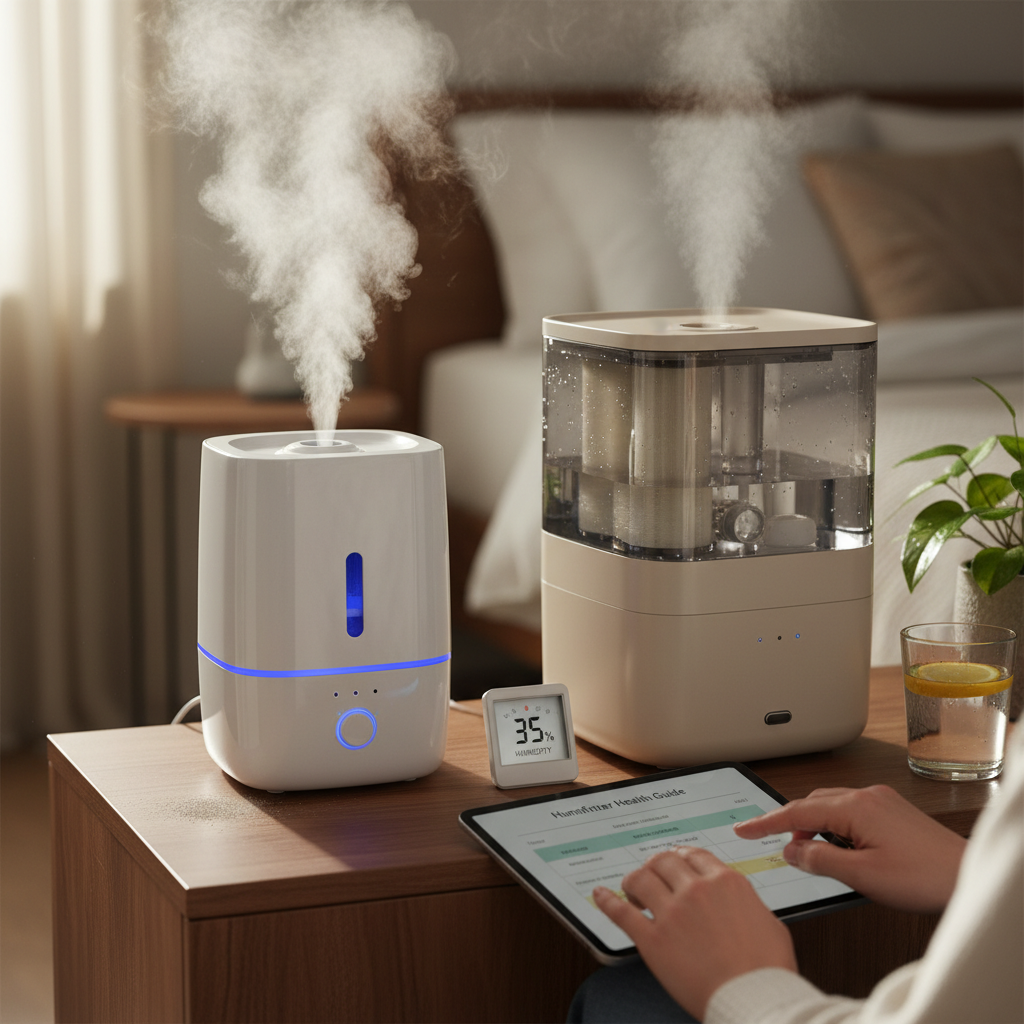
A humidifier is a device designed to increase moisture levels in the air, creating a more comfortable and healthier indoor environment. Optimal indoor humidity, typically between 30% and 50% relative humidity, is recommended by health organizations like the Environmental Protection Agency (EPA) to support human comfort and inhibit the growth of mold and dust mites. Beyond comfort, humidifiers play a vital role in mitigating health issues associated with dry air, such as respiratory problems, dry sinuses, and skin irritation.
Understanding Common Humidifier Types: Pros and Cons
Choosing the right humidifier involves weighing the distinct advantages and disadvantages of each type, especially concerning their impact on air quality and health.
Evaporative Humidifiers
Evaporative humidifiers mimic nature’s process of evaporation. They operate by drawing dry room air through a wet wick or filter, saturated with water from a reservoir. As air passes over the wet surface, water naturally evaporates and is dispersed as an invisible, fine vapor into the room. A fan then helps to circulate this humidified air.
Advantages:
- No White Dust: The wick filter in an evaporative humidifier traps minerals present in tap water, preventing them from being aerosolized and dispersed into the air as “white dust.” This results in cleaner, healthier air.
- Natural Humidification: This process self-regulates, meaning it adds moisture only as the air can absorb it, significantly reducing the risk of over-humidification and subsequent mold growth.
- Safer for Children: As they operate without heating water, evaporative humidifiers eliminate the risk of burns, making them a safer choice for households with babies and young children.
- Can Use Tap Water: Due to their filtering mechanism, evaporative humidifiers can typically use tap water without causing mineral dispersion, making them more convenient and cost-effective for daily use.
- White Noise: The fan operation, while audible, produces a consistent white noise that some individuals find soothing and conducive to better sleep.
Disadvantages:
- Noise Level: The integrated fan can make evaporative humidifiers louder than their ultrasonic counterparts.
- Regular Filter Replacement: To maintain efficiency and prevent the growth of mold or bacteria, wick filters require regular cleaning and periodic replacement, adding to ongoing costs and maintenance.
- Energy Consumption: The fan component may consume slightly more energy compared to quieter, fan-less ultrasonic models.
Ultrasonic Humidifiers
Ultrasonic humidifiers use a metal or ceramic diaphragm that vibrates at a high, ultrasonic frequency (between 1.5 MHz and 3.0 MHz) to break water into tiny droplets. These micro-droplets then form a fine, cool mist that is released into the room.
Advantages:
- Quiet Operation: Their high-frequency vibration mechanism is virtually silent, making them ideal for bedrooms, nurseries, or quiet office spaces where noise is a concern.
- Energy Efficiency: Generally, ultrasonic humidifiers consume less electricity to produce mist compared to other types.
- Cool Mist Output: Most models produce a cool mist, which can be refreshing and preferred by individuals with allergies or during warmer months.
- Compact Design & Smart Features: Often featuring sleek designs, they fit well in various settings and frequently include advanced features like precise humidity controls, automatic shut-off, and remote operation.
Disadvantages and Significant Health Concerns:
- White Dust Phenomenon: A major drawback is their tendency to disperse minerals present in tap water into the air. These fine mineral particles, commonly known as “white dust,” can settle on furniture and electronic devices. More importantly, breathing in this dust can be harmful, particularly for individuals with allergies, asthma, or other respiratory issues.
- Aerosolized Contaminants: If not properly maintained or if tap water is used, ultrasonic humidifiers can aerosolize bacteria, chemicals, and mold that may be present in the water, directly introducing these contaminants into your lungs. There have been cases where patients developed chronic lung disease symptoms linked to humidifier use.
- Requires Distilled Water: To mitigate the risks of white dust and aerosolized contaminants, it is highly recommended to use distilled or demineralized water, which can increase operational costs and reduce convenience.
- Potential for Over-humidification: Without a self-regulating evaporation process, ultrasonic humidifiers can sometimes release too much moisture, potentially leading to excessive humidity levels that encourage mold and dust mite growth.
Other Types of Humidifiers
While ultrasonic and evaporative models are prominent, it’s worth briefly noting other types:
- Steam Vaporizers (Warm Mist Humidifiers): These boil water to produce germ-free steam. While effective for respiratory congestion, they pose a burn risk due to hot water and typically consume more energy.
- Impeller Humidifiers: Utilizing a rotating disk to create fine water droplets, these are generally safer than steam vaporizers but share the white dust and mineral dispersion issues of ultrasonic models.
- Central Humidifiers: Integrated into HVAC systems for whole-house humidification, these require professional installation and can harbor bacterial and fungal growth if not maintained, potentially leading to infections like Legionnaires’ disease.
Comparison Table: Ultrasonic vs. Evaporative Humidifiers
| Feature | Evaporative Humidifiers | Ultrasonic Humidifiers |
|---|---|---|
| Operating Principle | Natural evaporation via a wet wick/filter | High-frequency vibrations create fine mist |
| Mist Type | Invisible cool mist | Visible cool or warm mist |
| Noise Level | Moderate (fan noise, often soothing white noise) | Very low (nearly silent) |
| Mineral Dispersion / White Dust | Low (wick traps minerals) | High (aerosolizes minerals from water) |
| Required Water Type | Tap water generally acceptable | Distilled or demineralized water highly recommended |
| Health Concerns | Low risk (if cleaned) | Higher risk of respiratory irritation from white dust, bacteria, mold (if not maintained or tap water used) |
| Energy Efficiency | Moderate (due to fan) | Higher |
| Upfront Cost | Generally lower | Can be higher |
| Ongoing Cost | Filter replacements | Distilled water purchases (if used) |
| Maintenance | Regular wick cleaning and replacement | Regular tank cleaning to prevent microbial growth |
| Room Size Coverage | Often better for larger spaces | Better for smaller to medium spaces |
| Risk of Over-humidification | Lower (self-regulating) | Higher (can rapidly increase humidity) |
Choosing the Right Humidifier: Factors to Consider
Selecting the best humidifier for your needs involves carefully evaluating several factors:
- Room Size: Evaporative humidifiers with their fan-based systems are often better suited for larger rooms, distributing moisture evenly across expansive areas. Ultrasonic humidifiers, with their quiet operation and fine mist production, excel in smaller spaces like bedrooms or offices.
- Health Concerns: If you or your family members suffer from allergies, asthma, or other respiratory sensitivities, an evaporative humidifier might be a safer choice as it filters minerals and prevents their dispersion into the air. While cool mist can be beneficial for allergy sufferers, the potential for ultrasonic models to aerosolize contaminants makes caution paramount.
- Presence of Children: For households with babies or young children, evaporative humidifiers are generally recommended due to their cool mist operation, eliminating the risk of burns associated with warm mist devices.
- Maintenance Commitment: Both types require regular cleaning, but evaporative models also need periodic filter replacements. Consider your willingness to commit to these tasks to prevent mold or bacterial growth.
- Water Quality: If you live in an area with hard water, the “white dust” from an ultrasonic humidifier using tap water will be a significant issue. In such cases, the cost and effort of continually using distilled water must be weighed against the benefits, or an evaporative model which filters minerals might be a more practical solution.
- Noise Preference: If absolute silence is critical for your sleep or work environment, an ultrasonic humidifier is unmatched. If mild white noise is acceptable or even preferred, an evaporative model could work well.
- Budget: Consider both the initial purchase price and ongoing costs, such as filter replacements for evaporative models or distilled water for ultrasonic ones.
Humidifier Use and Maintenance Guide
Proper use and meticulous maintenance are paramount for ensuring your humidifier contributes positively to your indoor air quality and health, rather than becoming a source of contaminants. The Environmental Protection Agency (EPA) provides key guidelines for humidifier care:
- Maintain Optimal Humidity: Keep indoor relative humidity levels between 30% and 50%. Use a hygrometer to monitor these levels and adjust your humidifier’s output accordingly. If condensation appears on windows or walls, reduce the output.
- Daily Water Changes: Empty and refill the humidifier tank with fresh water daily to minimize the growth of microorganisms.
- Use the Right Water: For ultrasonic and impeller humidifiers, always use distilled or demineralized water to prevent mineral scale buildup and the dispersal of “white dust” particles into the air. While evaporative humidifiers can often use tap water due to their filters, using low-mineral content water can still extend filter life and cleanliness.
- Regular Cleaning: Clean portable humidifiers every three days. This involves emptying the tank, scrubbing it thoroughly to remove any scale or deposits, and drying all surfaces completely.
- Safe Disinfection: For disinfection of surfaces that come into contact with water, a 3% hydrogen peroxide solution can be used. After disinfecting, rinse all parts thoroughly to avoid dispersing chemicals into the air. Avoid using bleach or harsh chemical cleaners, as residues can be harmful when inhaled. Distilled white vinegar is a safe and effective cleaning agent for descaling.
- Filter Care: For evaporative humidifiers, regularly clean and replace wick filters as recommended by the manufacturer. A dirty or old filter can become a breeding ground for mold and bacteria, diminishing the unit’s effectiveness and potentially spreading contaminants.
- Keep the Area Dry: Ensure the area around the humidifier remains dry. If dampness or condensation occurs, reduce the output volume or use the humidifier intermittently to prevent mold growth on surrounding surfaces like carpets and drapes.
- Empty When Not in Use: If you are not using the humidifier for an extended period, empty the water tank and clean the unit thoroughly before storing it to prevent mold and bacterial growth.
“Humidifiers are fine for what they do, but you have to be willing to maintain them, to hold onto that manual and follow all the cleaning instructions and the fine print — or they’re harmful,” states Dr. Robin Deterding, medical director of the Breathing Institute at Children’s Hospital Colorado. “For most parents, myself included, you can’t maintain it like you should, because life just gets in the way.”
- Avoid Additives: Never add essential oils, vapor rubs, or other chemicals directly into the humidifier’s water tank. These substances can release irritating or harmful chemicals into the air, potentially worsening respiratory symptoms and damaging the device.
Conclusion
Navigating the choice between ultrasonic and evaporative humidifiers ultimately comes down to a balance of your specific needs, health considerations, and commitment to maintenance. While ultrasonic models offer quiet operation and energy efficiency, they present significant health risks if not meticulously maintained with distilled water, primarily due to white dust and potential contaminant dispersion. Evaporative humidifiers, on the other hand, are generally considered a healthier option, effectively filtering minerals and naturally regulating humidity, albeit with moderate noise and filter replacement requirements. Understanding these distinctions allows you to make an informed decision, ensuring the humidifier you choose contributes to a truly healthier and more comfortable living space. Which humidifier will you choose to optimize your indoor air quality?
Frequently Asked Questions
Is white dust from ultrasonic humidifiers harmful?
Yes, white dust, composed of minerals from tap water, can be harmful, especially for individuals with allergies, asthma, or other respiratory issues, as these fine particles are dispersed into the air and can be inhaled, potentially aggravating respiratory conditions.
Can I use tap water in an evaporative humidifier?
Generally, yes. Evaporative humidifiers use a wick filter that captures minerals and impurities, preventing their dispersal into the air, which makes tap water acceptable for most models without the white dust issue.
How often should I clean my humidifier?
To prevent the growth of mold and bacteria, it is recommended to clean your portable humidifier every three days, including emptying the tank, scrubbing away deposits, and drying all surfaces. Filters in evaporative models should also be replaced regularly.
Are humidifiers good for allergies or asthma?
Humidifiers can help alleviate symptoms of dry air like dry sinuses and congestion, which may benefit allergy and asthma sufferers. However, it’s crucial to maintain optimal humidity levels (30-50%) and keep the unit meticulously clean, as excessive humidity or contaminated humidifiers can worsen symptoms.
What are the main risks of ultrasonic humidifiers for children?
The main risks of ultrasonic humidifiers for children include the dispersal of “white dust” (aerosolized minerals) and potential contaminants like bacteria or mold into the air, which can be inhaled and negatively impact respiratory health, particularly if tap water is used and the unit is not cleaned frequently.