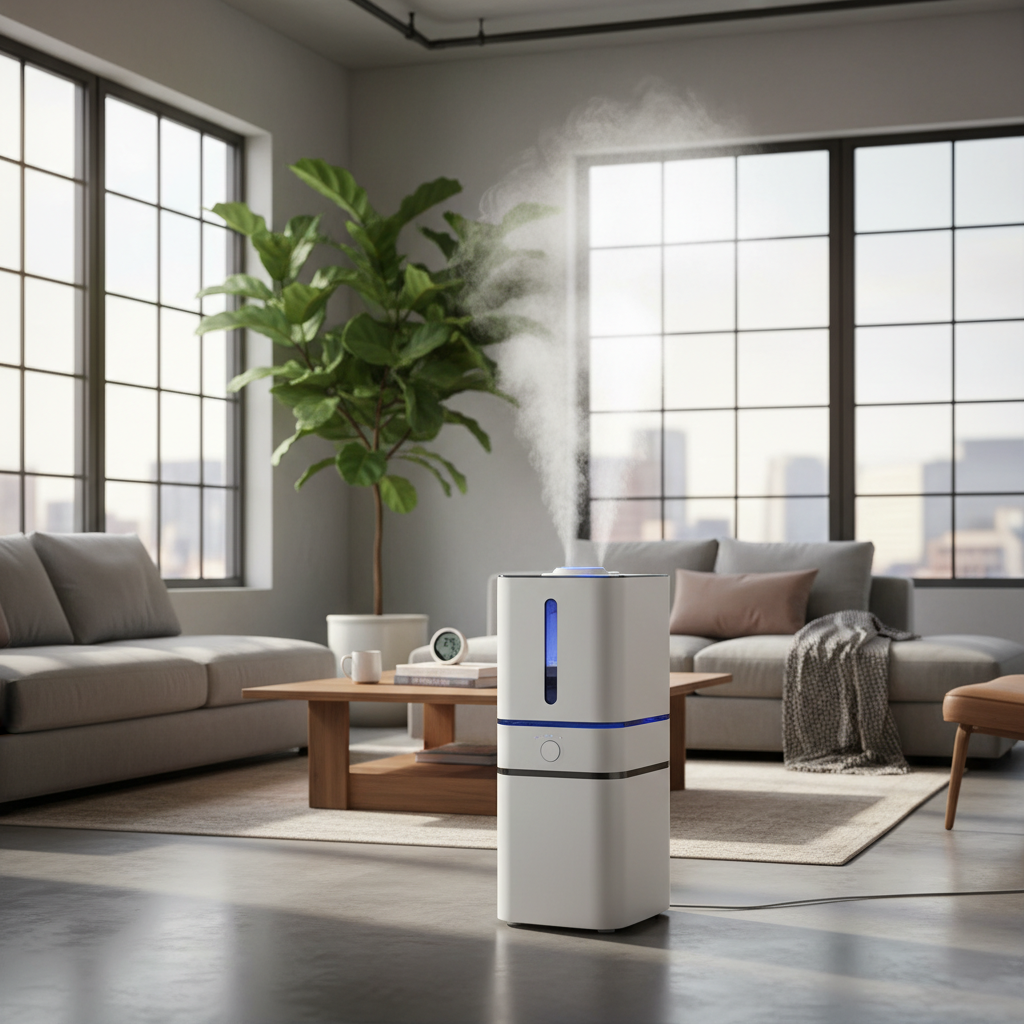
The air in our homes can often feel too dry, especially during colder months or in arid climates, leading to a host of discomforts from parched skin and irritated sinuses to static electricity and even damage to wooden furniture. Humidifiers step in as essential allies, introducing much-needed moisture back into the environment to restore balance and improve overall well-being. However, selecting the right humidifier involves more than just picking a mist type; the design of the water tank—specifically, how you fill it—plays a significant role in your daily convenience and long-term satisfaction. The choice between a top-fill and a bottom-fill humidifier tank can drastically impact your user experience.
What is a Humidifier? Why Do You Need One?
A humidifier is an appliance that adds moisture to the air. By increasing the relative humidity, these devices combat the negative effects of dry air. Maintaining an indoor humidity level between 40% and 60% is often recommended for optimal comfort and health.
Benefits of using a humidifier extend to:
- Health: Alleviating dry skin, chapped lips, irritated eyes, and dryness in the throat or airways. They can soothe cold and flu symptoms, reduce congestion, and may even lessen the spread of airborne viruses. For babies, cool mist humidifiers are often recommended for safety and to ease breathing.
- Home Environment: Protecting wood floors, furniture, and musical instruments from cracking or warping, preventing wallpaper from peeling, and reducing static electricity. They can also help houseplants thrive and make your home feel warmer, potentially saving on heating bills.
|
Our Picks for the Best Humidifier in 2026
As an Amazon Associate I earn from qualifying purchases.
|
||
| Num | Product | Action |
|---|---|---|
| 1 | LEVOIT Humidifiers for Bedroom Large Room Home, (6L) Cool Mist Top Fill Essential Oil Diffuser for Baby & Plants, Smart App & Voice Control, Rapid Humidification & Auto Mode - Quiet Sleep Mode, Gray |

|
| 2 | LEVOIT - Humidifiers for Bedroom - Quiet (3L Water Tank) - Cool Mist/Top Fill/Essential Oil Diffuser/25Watt - Home/Large Room - 360° Nozzle - Rapid Ultrasonic Humidification for Baby Nursery/Plant |
|
| 3 | BREEZOME 6L Humidifiers for Bedroom Large Room & Essential Oil Diffuser, Ultrasonic Top Fill Cool Mist Humidifiers for Baby, Plants, Nursery Last up to 60 Hours, Smart Humidistat Control, Quiet, Black |
|
| 4 | MegaWise Topfill 7-colour Night light humidifier for Kid bedroom with 3.5L Large Capacity, No leakage Design Fine Mist Output Auto Shutoff, Essential Oil Safe Tank |
|
| 5 | LEVOIT Top Fill Humidifiers for Bedroom, 2.5L Tank for Large Room, Easy to Fill & Clean, 28dB Quiet Cool Mist Air Humidifier for Home Baby Nursery & Plants, Auto Shut-off for Safety, 25H |
|
| 6 | Homvana Humidifiers for Bedroom Home, 3.6 L Cool Mist Top-Fill 34H Super Long Time, Quiet 23dB, Baby Humidifier, Oil Diffuser for Large Room, House, Plant, Nursery, Office, BPA FREE, Ultrasonic (Grey) |
|
| 7 | Dreo Humidifiers for Bedroom, 4L Top Fill for Large Room, 36H Runtime, 28 dB Quiet Supersized Cool Mist Air Humidifier for Baby Nursery, Plants, Indoor, Night Light, Easy to Clean & Fill, White |
|
| 8 | Humidifiers for Bedroom Large Room with 7L/1.85Gal Large Humidifier, Smart App & Remote Control, 4 Mist Levels Large Room Humidifiers for Home Midnight |
|
| 9 | BOXING 3L Cool Mist Humidifiers, Ultra Quiet 20dB for Bedroom, Baby & Office, Top Fill Air Humidifier for Large Room Home & Indoor Plants, 30H Runtime, Essential Oil Tray, Night Light, BPA-Free, White |
|
| 10 | Dreo Smart Humidifiers for Bedroom, Top Fill 4L Supersized Humidifier Large Room with 28 dB, 36H Runtime, Touch/APP/Voice Control, Nightlight, Cool Mist Humidifiers for Baby, Plants, Indoor, Black |
|
Common types of humidifiers include evaporative, ultrasonic, steam vaporizers, and impeller models, each with distinct operating principles, advantages, and disadvantages regarding noise, energy consumption, and mist output. However, irrespective of the mist technology, the tank design is a crucial aspect of usability.
Understanding Humidifier Tank Designs
At the heart of every humidifier is its water tank, which holds the water that will be converted into mist or steam. The design of this tank significantly influences the ease of refilling and cleaning, two of the most frequent maintenance tasks. The two primary mechanisms for adding water are top-fill and bottom-fill.
Top Fill Humidifiers: Convenience at Your Fingertips
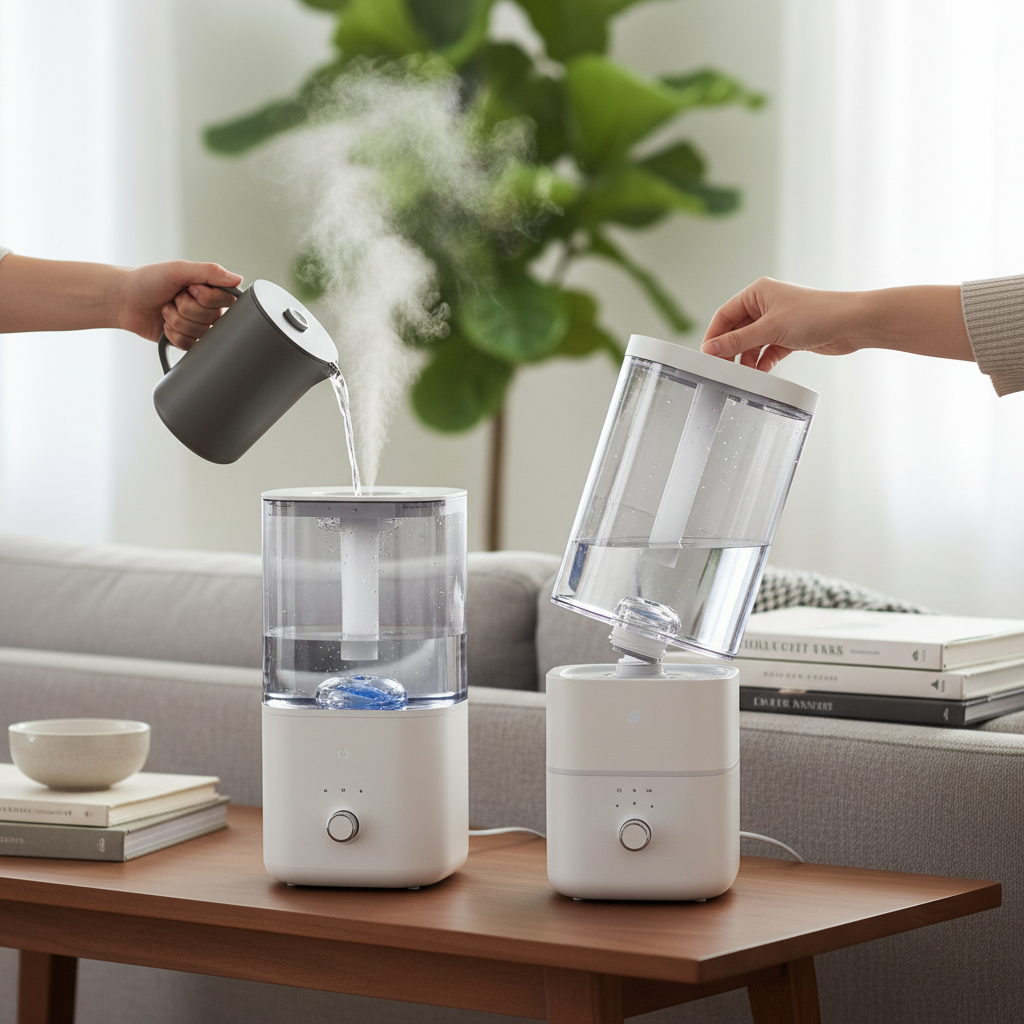
Top-fill humidifiers are designed with user convenience in mind, allowing you to add water directly from the top of the unit without needing to remove the tank.
How They Work:
With a top-fill humidifier, you typically just lift a lid or cap from the top of the unit and pour water directly into the reservoir. The tank remains in place on the base of the humidifier during this process.
Advantages:
- Effortless Refilling: The most significant benefit is the straightforward refilling process. You simply lift the lid and pour water in, eliminating the need to detach and carry a heavy tank.
- Reduced Spills: This design minimizes the risk of spills, as you don’t have to invert the tank or struggle with awkward alignments.
- Easier Cleaning Access: The wide opening at the top often provides better access for cleaning the interior of the tank, making it simpler to wipe down and prevent mold or mineral buildup.
- Less Heavy Lifting: Since the tank usually stays on the unit, you avoid the cumbersome task of lifting and carrying a full, heavy water tank from the sink back to the humidifier.
- Modern Features: Many top-fill models are newer designs and frequently incorporate features like ultrasonic technology for quiet operation and automatic shut-off when water levels are low.
Disadvantages:
- Potential for Debris: While convenient, the open top design could potentially allow dust or other airborne particles to fall into the water tank during refilling if you are not careful.
- May be Pricier: Due to their enhanced design and often more modern features, top-fill humidifiers can sometimes have a slightly higher upfront cost.
Bottom Fill Humidifiers: The Traditional Approach
Bottom-fill humidifiers represent the more traditional design, requiring the tank to be removed, inverted, and filled from an opening at its base.
How They Work:
To fill a bottom-fill humidifier, you typically remove the water tank from its base, carry it to a sink, flip it upside down, unscrew a cap at the bottom, fill it with water, securely replace the cap, flip it back upright, and then carefully reseat it onto the humidifier base [1 – smart.dhgate].
Advantages:
- Potentially More Secure Seal: Once the cap is tightly screwed onto the bottom, these tanks can feel very secure, potentially reducing leaks from the cap itself after filling.
- Familiar Design: Many users are accustomed to this traditional design, making the operation feel familiar.
- Often More Affordable: As older or more basic designs, bottom-fill humidifiers can sometimes be found at a lower price point.
Disadvantages:
- Cumbersome Refilling Process: The multi-step process of removing, inverting, unscrewing, filling, re-screwing, re-inverting, and re-seating the tank can be inconvenient and physically demanding, especially with larger tanks [1 – smart.dhgate].
- Higher Risk of Spills: Flipping a full tank and carefully re-seating it on the base increases the likelihood of accidental spills, creating a mess [1 – smart.dhgate].
- Potential for Leakage: If the cap is not securely tightened or the tank is not perfectly aligned and seated on the base, water can leak from the bottom of the unit [1 – smart.dhgate].
- Challenging to Clean: The smaller opening at the bottom and the need to maneuver the tank can make thorough cleaning more difficult, increasing the risk of microbial growth if not diligently maintained.
- Heavier Lifting: Carrying a large, full tank of water can be quite heavy, which might be a concern for individuals with mobility issues or those who prefer less physical effort.
Side-by-Side Comparison: Top Fill vs. Bottom Fill
Here’s a detailed comparison to help you weigh your options:
| Criteria | Top Fill Humidifiers | Bottom Fill Humidifiers |
|---|---|---|
| Refilling | Easy; pour water directly into the top. | Cumbersome; remove, flip, unscrew, fill, re-screw, flip, re-seat. |
| Spill Risk | Low during refilling; minimal risk if unit is stable. | Higher risk during flipping and re-seating. |
| Cleaning Ease | Often wider openings, easier to access interior for cleaning. | Smaller opening, more challenging to clean thoroughly. |
| Tank Removal | Generally not required for refilling. | Required for every refill. |
| Lifting Weight | Less heavy lifting, as tank often stays on base. | Involves lifting and manipulating a full, heavy tank. |
| Design/Features | Often modern, sleek designs with advanced features (e.g., ultrasonic, auto shut-off). | More traditional designs; feature set can vary. |
| Price Point | Can be slightly higher due to convenience features. | Often more affordable. |
Choosing the Right Humidifier for Your Needs
The best choice between a top-fill and bottom-fill humidifier ultimately depends on your personal preferences, lifestyle, and priorities.
- Prioritize Convenience: If ease of use, speed of refilling, and minimal mess are your top concerns, a top-fill humidifier is likely the superior choice. This is especially true for those who need to refill frequently or have difficulty lifting heavy objects.
- Budget-Conscious: If you’re looking for a more budget-friendly option and don’t mind the traditional refilling process, a bottom-fill humidifier could be a good fit.
- Maintenance Preferences: Consider how often you are willing to clean and how easily you can access the tank for cleaning. Top-fill models often simplify this task.
- Room Size: Regardless of the fill type, always select a humidifier with an appropriate tank capacity and moisture output for the size of your room to ensure effective humidification.
Maintenance Tips for All Humidifiers
Regardless of whether you choose a top-fill or bottom-fill model, proper maintenance is crucial for optimal performance, longevity, and health.
- Use Distilled Water: To prevent the buildup of mineral deposits (often called “white dust”) and to avoid potentially inhaling toxic heavy metals from tap water, using distilled or demineralized water is highly recommended, especially for ultrasonic humidifiers [4, 5 – concise_search result 2].
- Clean Regularly: Humidifiers can become breeding grounds for bacteria and mold if not cleaned frequently. Follow manufacturer instructions, typically cleaning the tank every few days and the entire unit weekly, often with a vinegar solution [5 – concise_search result 2].
- Change Filters: If your humidifier uses a filter, replace it according to the manufacturer’s guidelines to maintain efficiency and air quality [5 – concise_search result 2].
- Monitor Humidity Levels: Use a hygrometer to ensure your indoor humidity stays within the ideal range of 40-60%. Excessive humidity can lead to mold and mildew growth.
“The convenience of a top-fill humidifier might seem like a small detail, but in daily use, it makes a significant difference in reducing the hassle of maintaining optimal indoor air quality.”
Frequently Asked Questions About Humidifier Tanks
Are top-fill humidifiers better for cleaning?
Generally, yes. Top-fill humidifiers often feature wider openings that provide easier access to the interior of the water tank, making it simpler to clean thoroughly and prevent the buildup of mold, bacteria, and mineral deposits.
Do bottom-fill humidifiers leak more?
Bottom-fill humidifiers can be more prone to leaks if the cap is not securely tightened or if the tank is not properly seated on the base after refilling. The process of inverting and re-seating the tank inherently carries a higher risk of spills and improper installation compared to top-fill designs.
Which type of humidifier tank is generally more affordable?
Bottom-fill humidifiers, being the more traditional design, are often found at a slightly lower price point. Top-fill models, which prioritize user convenience and often incorporate newer technology, can sometimes be more expensive upfront.
Conclusion
The choice between top-fill and bottom-fill humidifier tanks boils down to a balance between convenience and cost. Top-fill humidifiers offer a hassle-free, cleaner, and generally more user-friendly experience, making daily refills and maintenance significantly simpler. Bottom-fill models, while often more budget-friendly, demand a bit more effort and care during the refilling process. Understanding these differences will empower you to select a humidifier that not only improves your home’s air quality but also seamlessly integrates into your daily routine, promoting better health and comfort. What matters most to you in a humidifier: ultimate convenience or initial cost savings?