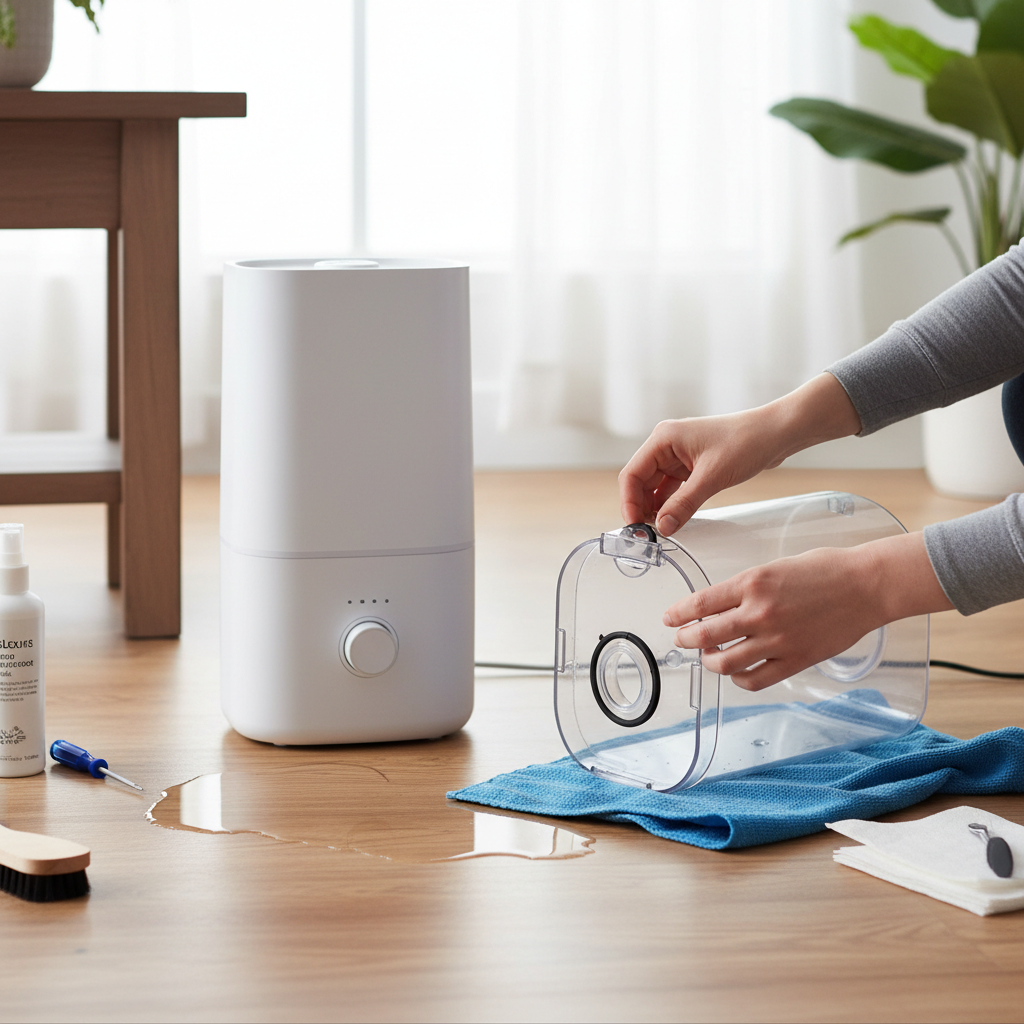
Discovering an unwelcome pinkish film or slime inside your water tank can be a concerning sight. Often mistaken for a true fungal mold, this unsightly growth is typically a bacterial biofilm, most commonly Serratia marcescens, or sometimes a form of algae. Regardless of its exact biological classification, its presence indicates a need for immediate action to ensure your water supply remains clean and safe. This comprehensive guide will demystify pink mold in water tanks, explore the conditions that invite its growth, and provide you with actionable strategies for prevention and effective elimination, helping you maintain pristine water quality.
Understanding Pink Mold in Water Tanks
|
Our Picks for the Best Humidifier in 2026
As an Amazon Associate I earn from qualifying purchases.
|
||
| Num | Product | Action |
|---|---|---|
| 1 | LEVOIT Humidifiers for Bedroom Large Room Home, (6L) Cool Mist Top Fill Essential Oil Diffuser for Baby & Plants, Smart App & Voice Control, Rapid Humidification & Auto Mode - Quiet Sleep Mode, Gray |

|
| 2 | BREEZOME 6L Humidifiers for Bedroom Large Room & Essential Oil Diffuser, Ultrasonic Top Fill Cool Mist Humidifiers for Baby, Plants, Nursery Last up to 60 Hours, Smart Humidistat Control, Quiet, Black |
|
| 3 | Dreo Smart Humidifiers for Bedroom, Top Fill 4L Supersized Humidifier Large Room with 28 dB, 36H Runtime, Touch/APP/Voice Control, Nightlight, Cool Mist Humidifiers for Baby, Plants, Indoor, Black |
|
| 4 | LEVOIT - Humidifiers for Bedroom - Quiet (3L Water Tank) - Cool Mist/Top Fill/Essential Oil Diffuser/25Watt - Home/Large Room - 360° Nozzle - Rapid Ultrasonic Humidification for Baby Nursery/Plant |
|
| 5 | MegaWise Topfill 7-colour Night light humidifier for Kid bedroom with 3.5L Large Capacity, No leakage Design Fine Mist Output Auto Shutoff, Essential Oil Safe Tank |
|
| 6 | Homvana Humidifiers for Bedroom Home, 3.6 L Cool Mist Top-Fill 34H Super Long Time, Quiet 23dB, Baby Humidifier, Oil Diffuser for Large Room, House, Plant, Nursery, Office, BPA FREE, Ultrasonic (Grey) |
|
| 7 | Dreo Humidifiers for Bedroom, 4L Top Fill for Large Room, 36H Runtime, 28 dB Quiet Supersized Cool Mist Air Humidifier for Baby Nursery, Plants, Indoor, Night Light, Easy to Clean & Fill, White |
|
| 8 | BOXING 3L Cool Mist Humidifiers, Ultra Quiet 20dB for Bedroom, Baby & Office, Top Fill Air Humidifier for Large Room Home & Indoor Plants, 30H Runtime, Essential Oil Tray, Night Light, BPA-Free, White |
|
| 9 | Humidifiers for Bedroom Large Room with 7L/1.85Gal Large Humidifier, Smart App & Remote Control, 4 Mist Levels Large Room Humidifiers for Home Midnight |
|
| 10 | LEVOIT Top Fill Humidifiers for Bedroom, 2.5L Tank for Large Room, Easy to Fill & Clean, 28dB Quiet Cool Mist Air Humidifier for Home Baby Nursery & Plants, Auto Shut-off for Safety, 25H |
|
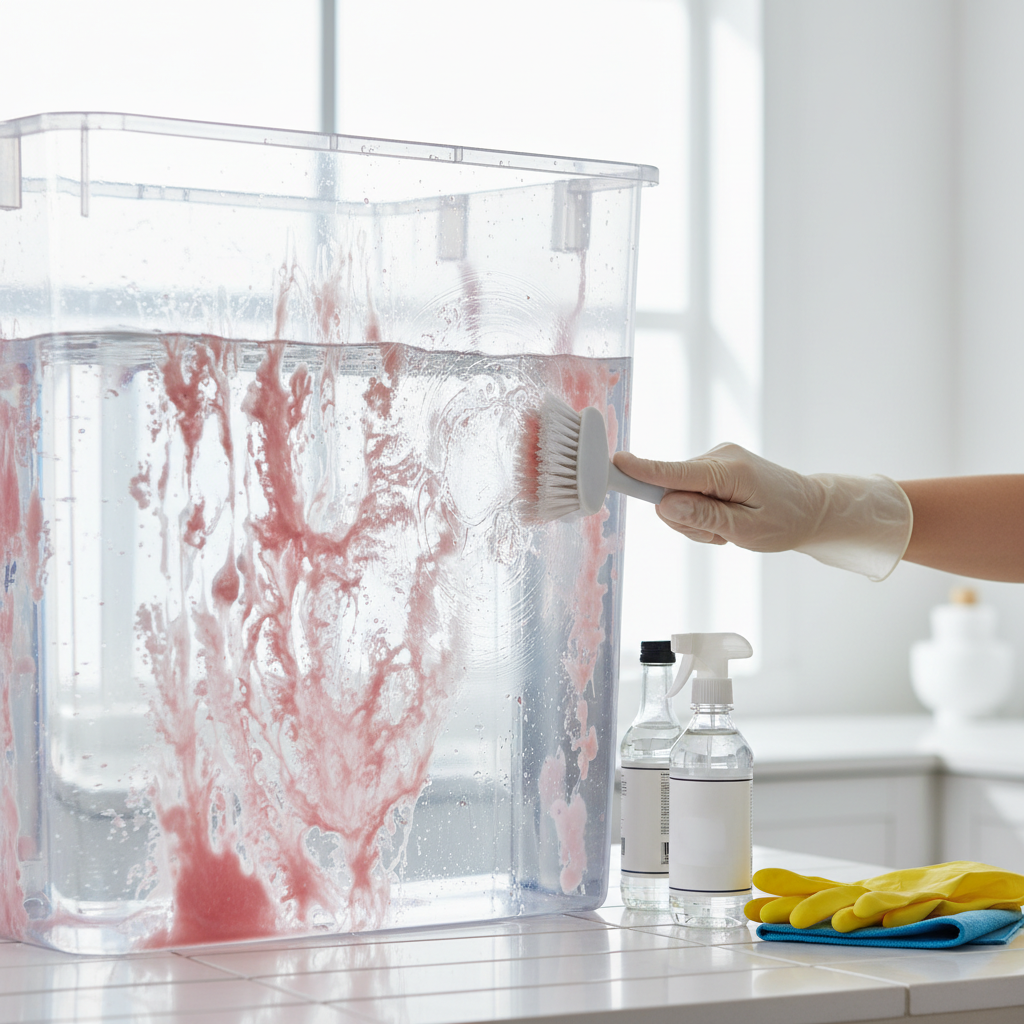
When you encounter a pinkish residue in your water tank, it’s rarely a “mold” in the traditional sense, but rather a robust bacterial colony or a type of algae. The most frequent culprit behind the notorious pink slime is Serratia marcescens, a naturally occurring bacterium that thrives in moist environments. This microorganism produces a distinctive red or pink pigment, especially when exposed to oxygen and certain nutrients, making it highly visible against lighter surfaces. Beyond Serratia marcescens, other bacterial biofilms or even red and pink algae can also take root, forming a protective, slimy layer that adheres strongly to tank surfaces.
Why does this unwelcome growth choose your water tank as its home? Several factors create an ideal breeding ground. Stagnant water is a primary catalyst; when water remains still for extended periods, microorganisms have the perfect opportunity to multiply without disruption. Light exposure, particularly for algae, is another critical factor, as it provides the energy needed for photosynthesis. Nutrient availability, often from airborne dust, leaves, sediment, or organic materials carried by rainwater, fuels these organisms. Even high humidity within an inadequately ventilated tank can contribute to biofilm formation, creating a consistently damp environment where these microbes flourish.
The implications of pink mold in your water tank extend beyond aesthetics. While Serratia marcescens is generally considered a low-risk pathogen for healthy individuals, its presence signifies a larger issue: a thriving biofilm. Biofilms are complex communities of microorganisms encased in a protective matrix, and they can harbor a variety of other, potentially more dangerous, bacteria and viruses. These can include pathogens like E. coli, Legionella, and Salmonella, which pose serious health risks if ingested. Beyond direct health concerns, biofilms can lead to foul odors in your water, contribute to clogged filters and plumbing, and ultimately compromise the overall potability and safety of your water supply. Maintaining a clean and pathogen-free water tank is crucial to ensure the safety and quality of the water you use.
Proactive Prevention: Design and Environmental Controls
Preventing pink mold and other undesirable growths in your water tank begins with smart design choices and vigilant environmental control. Addressing the root causes of microbial proliferation is far more effective than simply reacting to an existing problem.
Tank Design and Placement
One of the most effective preventive measures is selecting the right type of water tank. Opaque and UV-resistant tanks are crucial because they block sunlight from penetrating the water. Sunlight is a primary energy source for algae and can encourage bacterial growth, so eliminating this factor significantly hinders their development. For existing tanks, consider applying an opaque, food-grade coating or ensuring they are stored in a shaded area. Proper tank placement is equally important. Position your water tank in a location that receives minimal direct sunlight, ideally in a cool, shaded spot. This not only reduces the risk of light-driven growth but also helps keep the water temperature lower, which is less conducive to microbial activity.
Optimized Water Management
Stagnant water is a microbial playground. To combat this, ensure regular water flow and usage. If your tank is part of a system that sees intermittent use, consider installing a water circulation system to keep the water moving. For smaller tanks or those in RVs, simply draining and refilling the tank regularly, especially if it sits unused for extended periods, can make a significant difference. Avoiding stagnant conditions means consistently replenishing your water supply and ensuring older water is cycled out.
Adequate Ventilation and Filtration
Humidity inside a water tank can contribute to biofilm formation. Adequate ventilation is vital to prevent the buildup of damp, stagnant air within the tank environment. Ensure your tank has proper vents that allow for airflow while preventing the entry of pests. Furthermore, installing mesh screens and filters at all inlet points is a simple yet powerful preventive measure. These physical barriers prevent debris such as leaves, insects, and other organic matter from entering the tank, thereby reducing the nutrient load that fuels microbial growth. Fine particulate filters can also remove microscopic impurities that might otherwise settle and create micro-environments for bacteria to flourish.
“A proactive approach to water tank maintenance not only safeguards health but also extends the lifespan of your entire water system.” – Dr. Eleanor Vance, Water Quality Expert
Effective Maintenance and Disinfection Practices
Even with the best preventive design, ongoing maintenance is essential for a truly clean and healthy water tank. Regular cleaning and appropriate disinfection protocols are your strongest defense against pink mold.
Routine Inspection and Cleaning
The first line of defense is routine visual inspection. Periodically check the interior surfaces of your water tank for any signs of discolored patches, slimy residues, or sediment accumulation. Early detection allows for easier remediation. When signs of biofilm or contaminants are present, a thorough manual cleaning procedure should be initiated. This involves draining the tank completely and then scrubbing the inner surfaces with a soft-bristle brush and a mixture of mild detergent or a food-grade cleaning agent. For hard-to-reach areas, specialized long-handled brushes or even a pressure washer (if the tank material can withstand it) can be effective. After scrubbing, rinse the tank thoroughly until all visible residue and detergent are gone.
Draining and Drying
One of the simplest yet most effective ways to eliminate and prevent microbial growth is to remove its essential element: water. Thorough draining and drying of your water tank, especially if it’s going to be stored empty or unused for a period, is highly recommended. Empty the tank completely and, if possible, allow it to air dry fully in sunlight. The combination of dryness and UV exposure from the sun can effectively kill off existing bacteria and inhibit the growth of new colonies. This method is particularly useful for smaller, portable water tanks.
Chemical Disinfection
For potable water tanks, chemical disinfection must be done carefully and with appropriate agents. Bleach (sodium hypochlorite) and chlorine solutions are common and effective disinfectants. When using bleach, always ensure it is plain, unscented household bleach (typically 5.25-8.25% sodium hypochlorite) and avoid any ‘splashless’ or ‘gel’ formulations. A common recommendation for disinfecting water tanks is to use approximately 1/4 teaspoon of 5.25% hypochlorite bleach per gallon of stored water, or to achieve a concentration of about 4 parts per million (ppm) of chlorine. After adding the diluted bleach, fill the tank and let it sit for several hours (e.g., 4-24 hours), then drain and flush thoroughly with fresh water until no chlorine smell remains.
It is crucial to monitor the pH level of your water, especially when using chlorine. The effectiveness of chlorine as an antimicrobial agent is highly dependent on pH. If the water is too acidic or too alkaline, chlorine’s disinfecting power can be significantly reduced or become dangerously strong. Regular pH checks should be a routine part of your water tank maintenance, with adjustments made as necessary to maintain optimal chlorine efficacy, typically around a pH of 6.4 for full effectiveness.
Advanced Disinfection Methods
For an effective and chemical-free method to control biofilms and eliminate pathogens, consider UV sterilization. UV sterilization systems use ultraviolet light to penetrate the cell walls of microorganisms, rendering them unable to reproduce or infect the water. These systems can be integrated into your water tank or water line, providing continuous protection against a wide range of bacteria, viruses, and other microbes without altering the water’s taste or chemical composition.
Additionally, there are specialized tank cleaners and sanitizers available, often found in RV supply stores or brewing supply shops. These products, sometimes referred to as “pink stuff” or “white stuff,” are specifically formulated to clean and sanitize water storage systems. They can be very effective in breaking down biofilms and killing bacteria, often requiring less rinsing than traditional bleach solutions. Always follow the manufacturer’s instructions carefully for dosage and application.
Addressing Common Questions About Pink Mold
Many people have questions when they encounter pink mold in their water tanks. Here are answers to some of the most frequently asked.
How often should I clean my water tank to prevent pink mold?
The frequency of cleaning depends on usage, water source quality, and environmental conditions. For most household or RV water tanks, a thorough cleaning and sanitization once or twice a year is a good general guideline. However, regular visual inspections (monthly or quarterly) are vital. If you notice any discoloration, slime, or foul odors, clean the tank immediately, regardless of your schedule. Tanks storing rainwater or well water might require more frequent attention due to potential nutrient ingress.
Is pink mold in a water tank dangerous?
While Serratia marcescens itself is generally not highly pathogenic for healthy individuals, its presence is a significant warning sign. Pink mold in a water tank indicates a thriving biofilm, which can harbor other, more harmful bacteria and viruses like E. coli, Legionella, or Salmonella. These can indeed pose serious health risks, ranging from gastrointestinal upset to severe infections. Therefore, any visible pink mold or biofilm in a potable water tank should be treated as a potential health concern and addressed promptly to ensure water safety.
Can I use home remedies like vinegar to clean it?
White vinegar is an excellent natural cleaner and can be effective at breaking down some mineral deposits and mild biofilms. It’s a good choice for light cleaning and regular maintenance, especially in areas where harsh chemicals are undesirable. However, vinegar is generally less effective at killing bacterial spores and deep-seated biofilms compared to bleach/chlorine solutions or specialized sanitizers. For significant pink mold contamination or a complete disinfection, stronger agents are typically recommended. After using vinegar, a thorough rinse is always necessary.
What are the signs of re-contamination?
Beyond the obvious pink streaks or slime, several indicators can signal re-contamination or a developing problem. These include a foul, musty, or earthy odor emanating from the water or the tank itself, which suggests microbial growth. You might also observe cloudy or discolored water, even subtly so. Reduced water pressure or clogged filters and faucets can be another sign, as biofilm can break off and enter your plumbing system. Regular monitoring of these subtle changes can help you detect issues early and prevent them from escalating.
Conclusion
Maintaining a clean and safe water tank is a cornerstone of good health, whether at home, in an RV, or in an agricultural setting. While the appearance of pink mold might be alarming, understanding its nature as a bacterial biofilm and implementing a combination of preventive strategies and consistent maintenance practices can keep your water supply pristine. From choosing opaque tanks and ensuring proper water circulation to routine cleaning with appropriate disinfectants, every step contributes to safeguarding your water quality.
Prioritize your water tank’s health for a continuous supply of clean water. By taking these proactive measures, you’re not just preventing an unsightly nuisance; you’re actively protecting the health and well-being of everyone who relies on that water. What steps will you take today to safeguard your water supply?