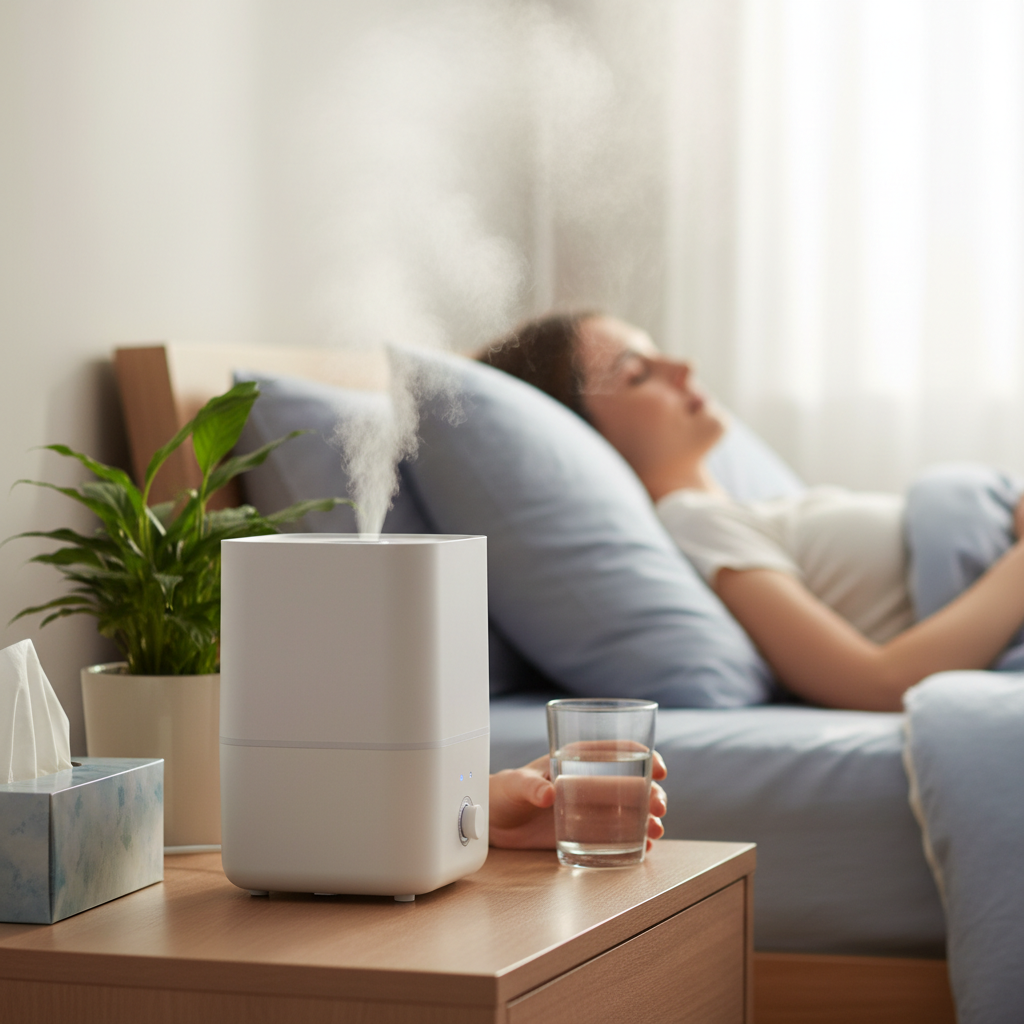
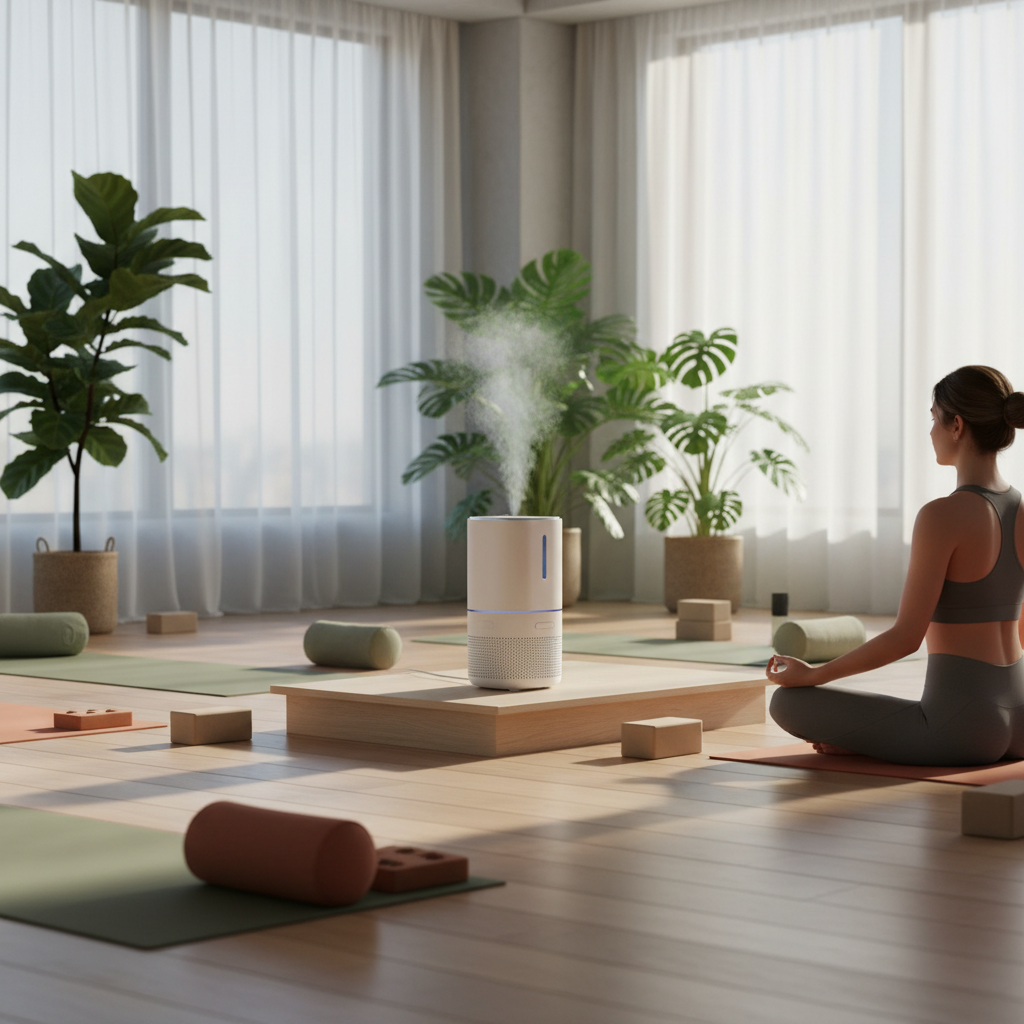
Stepping into a yoga studio should be an experience of calm and enhanced well-being, where every breath feels nourishing and every pose feels supported. For studio owners and practitioners alike, the unseen element of humidity plays a pivotal role in creating this ideal environment. Far beyond mere comfort, maintaining optimal humidity levels is crucial for deeper practice, improved health benefits, and even the longevity of the studio itself. This comprehensive guide will navigate the world of humidifiers, explaining their necessity, exploring the best types for commercial spaces, and detailing what to look for when choosing the perfect system for your yoga studio in 2026.
What is a Humidifier? Why Do You Need One for Your Yoga Studio?
|
Our Picks for the Best Humidifier in 2026
As an Amazon Associate I earn from qualifying purchases.
|
||
| Num | Product | Action |
|---|---|---|
| 1 | Homvana Humidifiers for Bedroom Home, 3.6 L Cool Mist Top-Fill 34H Super Long Time, Quiet 23dB, Baby Humidifier, Oil Diffuser for Large Room, House, Plant, Nursery, Office, BPA FREE, Ultrasonic (Grey) |

|
| 2 | Humidifiers for Bedroom Large Room with 7L/1.85Gal Large Humidifier, Smart App & Remote Control, 4 Mist Levels Large Room Humidifiers for Home Midnight |
|
| 3 | BOXING 3L Cool Mist Humidifiers, Ultra Quiet 20dB for Bedroom, Baby & Office, Top Fill Air Humidifier for Large Room Home & Indoor Plants, 30H Runtime, Essential Oil Tray, Night Light, BPA-Free, White |
|
| 4 | Dreo Smart Humidifiers for Bedroom, Top Fill 4L Supersized Humidifier Large Room with 28 dB, 36H Runtime, Touch/APP/Voice Control, Nightlight, Cool Mist Humidifiers for Baby, Plants, Indoor, Black |
|
| 5 | BREEZOME 6L Humidifiers for Bedroom Large Room & Essential Oil Diffuser, Ultrasonic Top Fill Cool Mist Humidifiers for Baby, Plants, Nursery Last up to 60 Hours, Smart Humidistat Control, Quiet, Black |
|
| 6 | MegaWise Topfill 7-colour Night light humidifier for Kid bedroom with 3.5L Large Capacity, No leakage Design Fine Mist Output Auto Shutoff, Essential Oil Safe Tank |
|
| 7 | LEVOIT Humidifiers for Bedroom Large Room Home, (6L) Cool Mist Top Fill Essential Oil Diffuser for Baby & Plants, Smart App & Voice Control, Rapid Humidification & Auto Mode - Quiet Sleep Mode, Gray |
|
| 8 | Dreo Humidifiers for Bedroom, 4L Top Fill for Large Room, 36H Runtime, 28 dB Quiet Supersized Cool Mist Air Humidifier for Baby Nursery, Plants, Indoor, Night Light, Easy to Clean & Fill, White |
|
| 9 | LEVOIT - Humidifiers for Bedroom - Quiet (3L Water Tank) - Cool Mist/Top Fill/Essential Oil Diffuser/25Watt - Home/Large Room - 360° Nozzle - Rapid Ultrasonic Humidification for Baby Nursery/Plant |
|
| 10 | LEVOIT Top Fill Humidifiers for Bedroom, 2.5L Tank for Large Room, Easy to Fill & Clean, 28dB Quiet Cool Mist Air Humidifier for Home Baby Nursery & Plants, Auto Shut-off for Safety, 25H |
|
A humidifier is a device designed to increase moisture levels in the air, creating a more comfortable and therapeutic indoor climate. For a yoga studio, especially those practicing hot yoga, a humidifier is not just a luxury but a fundamental tool for enhancing the experience and protecting both practitioners and property. The ideal relative humidity (RH) for most yoga studios, particularly hot yoga, hovers around 40% to 60%, often paired with temperatures between 80°F and 105°F.
The benefits of maintaining this precise humidity balance are manifold. Firstly, it significantly aids physical flexibility and helps prevent injuries. Warm, humid air allows muscles to relax and stretch more effectively, making deeper poses more accessible and reducing strain during practice. Secondly, humidity promotes healthy sweating and detoxification. In a humid environment, perspiration doesn’t evaporate as quickly, which means the body can sweat more efficiently, helping to cleanse pores and facilitate a deeper detoxifying experience. Thirdly, optimal humidity enhances breathwork and overall comfort. Dry air can irritate mucous membranes, leading to coughing or discomfort, while properly humidified air makes breathing easier and more profound, fostering a more focused and meditative state. Lastly, balanced humidity safeguards the studio’s infrastructure, preventing cracking or warping of specialized flooring and equipment.
Popular Humidifier Types for Commercial Settings: Pros and Cons
Choosing the right humidifier type for a yoga studio involves understanding the different technologies available and their suitability for commercial-scale operations. Residential humidifiers are typically insufficient for the demands of a large studio.
-
Evaporative Humidifiers: These units use a fan to draw air through a saturated wick or filter, releasing cool, invisible moisture into the air.
- Pros: Generally energy-efficient and self-regulating (they add less moisture as humidity rises). Less prone to “white dust” compared to ultrasonics if using hard water.
- Cons: Can be noisy due to the fan, require frequent filter replacement, and might struggle to achieve high humidity levels quickly in large, dynamic spaces. Commercial-grade evaporative systems exist but are less common for direct room humidification in yoga studios compared to other types.
-
Ultrasonic Humidifiers: These humidifiers use high-frequency vibrations to create a fine, cool mist.
- Pros: Exceptionally quiet operation, which is a significant advantage for the peaceful environment of a yoga studio. They produce a very fine mist almost instantly.
- Cons: Can produce “white dust” (mineral deposits) if tap water is used, necessitating distilled or demineralized water or robust filtration, which adds to operating costs and maintenance. Output may not be sufficient for very large commercial spaces unless industrial-grade units are installed.
-
Steam Vaporizers (Isothermal Humidifiers): These units boil water to create sterile steam, which is then released into the air.
- Pros: The steam produced is sterile, eliminating bacteria and molds. They add heat to the air (useful in hot yoga studios) and do not produce white dust.
- Cons: High energy consumption due to boiling water, which can lead to higher operating costs. The hot steam can pose a burn risk if not properly installed and managed, and some canister-based systems require frequent and costly replacements.
-
High-Pressure Nozzle/Mist Systems (Adiabatic Humidifiers): These advanced commercial systems use high-pressure pumps to force water through tiny nozzles, creating an ultra-fine mist that evaporates almost instantly into the air without adding heat.
- Pros: Highly energy-efficient as they don’t boil water. Provide precise humidity control and can respond rapidly to changing conditions, making them ideal for dynamic environments like yoga studios. Considered a “green” humidification solution.
- Cons: Require purified or demineralized water to prevent clogging and ensure air quality. Initial installation costs can be higher due to specialized plumbing and pump systems. Proper engineering is needed to prevent visible mist or wetness.
-
Impeller Humidifiers: These devices use a rotating disc to fling water at a diffuser, breaking it into a fine mist.
- Pros: Generally safer than steam vaporizers as they don’t use heat.
- Cons: Typically produce a coarser mist and can be noisy. Their humidification capacity is often limited, making them less suitable for large commercial yoga studios.
Comparison Table of Humidifier Types for Yoga Studios
| Feature | Evaporative | Ultrasonic | Steam Vaporizer | High-Pressure Nozzle |
|---|---|---|---|---|
| Principle | Fan & Wick | High-Freq. Vibration | Boiling Water | High-Press. Atomization |
| Energy Use | Low-Moderate | Low | High | Very Low |
| Noise Level | Moderate-High (Fan) | Very Low | Low | Low (Pump) |
| Output Quality | Invisible Mist | Fine Cool Mist | Hot Sterile Steam | Ultra-Fine Cool Mist |
| Water Type | Tap/Filtered | Distilled/Filtered | Tap | Purified/Demineralized |
| Maintenance | Filter replacement | Cleaning, Water quality | Canister/Electrode replacement | Nozzle cleaning, Water filtration |
| Commercial Suitability | Limited (unless industrial) | Moderate (with good water) | High | High |
| Cost (Op.) | Low-Moderate | Moderate | High | Low |
Humidifier Buying Guide for Yoga Studios: Key Factors to Consider
Selecting the best humidifier for your yoga studio demands careful consideration of several factors to ensure it meets your specific operational and environmental needs.
-
Studio Size and Coverage Area: This is paramount. Yoga studios typically range from several hundred to several thousand square feet. You will need a commercial-grade humidifier with sufficient output capacity to effectively humidify the entire space. Residential units simply won’t cut it. Calculate your studio’s cubic footage to determine the required output (gallons per day or liters per hour).
-
Desired Humidity and Responsiveness: An optimal relative humidity of 40-60% is standard. Look for systems with a reliable built-in humidistat and controls that allow for precise setting and automated maintenance of humidity levels. Crucially, the system should be able to respond quickly to changes in occupancy and environmental conditions to avoid discomfort or over-humidification.
-
Budget and Operating Costs: Consider both the initial purchase and installation cost, as well as ongoing operating expenses. High-pressure nozzle systems may have a higher upfront cost but offer significant long-term savings in energy consumption compared to steam models. Factor in the cost of water, electricity, and any consumables like filters or replacement cylinders.
-
Key Features for a Yoga Environment:
- Quiet Operation: Essential for maintaining the peaceful ambiance of a yoga studio. Ultrasonic and high-pressure nozzle systems typically excel here.
- Easy Maintenance: Studio owners prefer to focus on their practice, not constant equipment upkeep. Look for models designed for minimal and straightforward maintenance, such as systems that require servicing only once or twice a year.
- Water Quality and Filtration: Especially for ultrasonic and high-pressure systems, the ability to use or process purified water is critical to prevent white dust, mineral buildup, and bacterial growth. Some systems integrate UV sterilization or other air purification features, which are highly beneficial in a warm, humid environment prone to microbial growth.
- Smart Controls/Automation: Programmable timers and remote control options can simplify operation, allowing you to prepare the studio before classes begin.
-
Brand Reputation and Support: Invest in systems from reputable manufacturers specializing in commercial or industrial humidification. Brands like MicroCool, Condair, and Nortec have proven track records in providing reliable, high-performance solutions for demanding environments. Excellent customer service and technical support are invaluable.
Top Humidifiers Recommended for Yoga Studios in 2026
For commercial yoga studios, the focus should be on robust, efficient, and reliable systems capable of consistent performance. In 2026, leading solutions continue to be offered by specialized industrial humidification providers rather than consumer-grade brands.
-
MicroCool FOCUS Line: MicroCool is recognized for its high-pressure nozzle systems, which are ideal for yoga studios, particularly hot yoga. Their FOCUS line offers precise humidity control, is energy-efficient, and operates quietly. These systems create a fine, evaporated fog without boiling water, aligning with “green” practices and reducing energy consumption compared to steam. They are known for their rapid response to changing humidity demands, crucial in dynamic studio environments.
-
Condair Commercial Humidifiers: Condair offers a range of humidification solutions, including adiabatic (cold water) and isothermal (steam) systems suitable for commercial spaces. Their adiabatic humidifiers are praised for their energy efficiency and ability to quickly bring a room to the desired humidity level, often within 30 minutes before a class. Condair units are also known for their reliability and reduced maintenance issues, which is a significant advantage for busy studio owners.
-
Nortec RH2 and NHEL Series: Nortec (now part of Condair) provides electrode steam humidifiers like the RH2 and NHEL models, which are recommended for delivering clean, continuous steam. These systems are designed for commercial applications and emphasize low maintenance, often requiring servicing only once or twice a year. While steam systems have higher energy consumption, they offer the benefit of sterile moisture and added heat, which can be advantageous for certain hot yoga styles.
“For an optimal yoga experience, a commercial-grade humidification system is non-negotiable. It’s about more than just adding moisture; it’s about precise control, energy efficiency, and minimal intervention so studio owners can focus on their community.” – Emily Chen, Environmental Systems Engineer specializing in Wellness Spaces
While consumer-grade models like the Levoit OasisMist 450S Smart Humidifier or Dreo Smart Humidifier HM713S are highly rated for home use in 2026, their capacity and durability are generally not designed for the rigorous demands of a commercial yoga studio spanning hundreds or thousands of square feet. These might be considered only for very small, private home studios, but a dedicated commercial solution is always recommended for professional establishments.
Humidifier Usage and Maintenance Guide for Yoga Studios
Proper usage and consistent maintenance are key to maximizing the lifespan and effectiveness of your studio’s humidifier, while also ensuring a healthy environment for your students.
- Optimal Placement: Position humidifiers, especially those that generate mist, to ensure even distribution of humidity throughout the studio. Avoid placing them too close to walls, sensitive equipment, or directly above areas where moisture could accumulate. Integrated HVAC humidification systems are often the most effective for uniform distribution.
- Water Quality: For ultrasonic and high-pressure nozzle systems, using distilled, demineralized, or purified water is crucial. This prevents the release of “white dust” (mineral deposits) and minimizes the risk of bacterial growth, especially in systems that don’t heat water.
- Regular Cleaning: Due to the warm, humid environment, yoga studios are susceptible to mold and bacterial growth. Follow the manufacturer’s guidelines for daily, weekly, and monthly cleaning of your humidifier. This typically involves rinsing tanks, disinfecting components, and removing mineral buildup. For commercial systems, professional servicing may be scheduled annually.
- Filter and Component Replacement: Adhere to the recommended schedule for replacing filters, wicks, UV bulbs (if applicable), and steam canisters or electrodes. Timely replacement ensures optimal performance, energy efficiency, and air quality.
- Monitor Humidity Levels: Utilize the system’s humidistat to set and maintain the desired relative humidity (40-60% RH). Periodically cross-reference with an independent hygrometer to ensure accuracy. Avoid over-humidification, which can lead to condensation and mold growth.
- Addressing Issues: Familiarize yourself with common troubleshooting steps for your specific model. Issues like unusual noises, reduced mist output, or leaks should be addressed promptly to prevent larger problems.
Frequently Asked Questions About Humidifiers for Yoga Studios
What is the ideal humidity level for a hot yoga studio?
The optimal relative humidity for a hot yoga studio is generally between 40% and 60%. This range supports healthy sweating, enhances flexibility, and creates a comfortable environment for practitioners, especially when temperatures are elevated.
Can I use a residential humidifier in my commercial yoga studio?
No, residential humidifiers typically lack the capacity, durability, and features required to effectively humidify a commercial yoga studio, which can be several hundred to thousands of square feet. Commercial-grade systems are essential for consistent performance and coverage.
How often should I clean my yoga studio’s humidifier?
The cleaning frequency depends on the humidifier type and usage, but generally, commercial humidifiers require daily checks, weekly rinses, and thorough monthly disinfection. Professional servicing should be scheduled once or twice a year to ensure optimal hygiene and function.
Do humidifiers help with air quality in a yoga studio?
Yes, by adding moisture, humidifiers can alleviate dry air symptoms like irritated respiratory passages. Advanced commercial systems often integrate water filtration or UV sterilization to further enhance air quality by preventing mineral dust and microbial growth within the mist.
Are steam humidifiers safe for a yoga studio?
Steam humidifiers provide sterile moisture and add heat, which can be beneficial for hot yoga. They are safe when properly installed and maintained according to commercial standards, minimizing burn risks and ensuring components are regularly replaced.
Conclusion
Investing in the right humidifier for your yoga studio is an investment in the health and comfort of your practitioners, the integrity of your space, and the overall quality of the yoga experience. As we look to 2026, the emphasis remains on commercial-grade, energy-efficient, and reliable systems that offer precise control and ease of maintenance. By carefully considering your studio’s unique needs and choosing a system from trusted industrial providers, you can ensure a perfectly balanced, invigorating environment that supports every stretch, breath, and moment of mindfulness. What steps will you take to optimize your studio’s atmosphere for unparalleled practice?