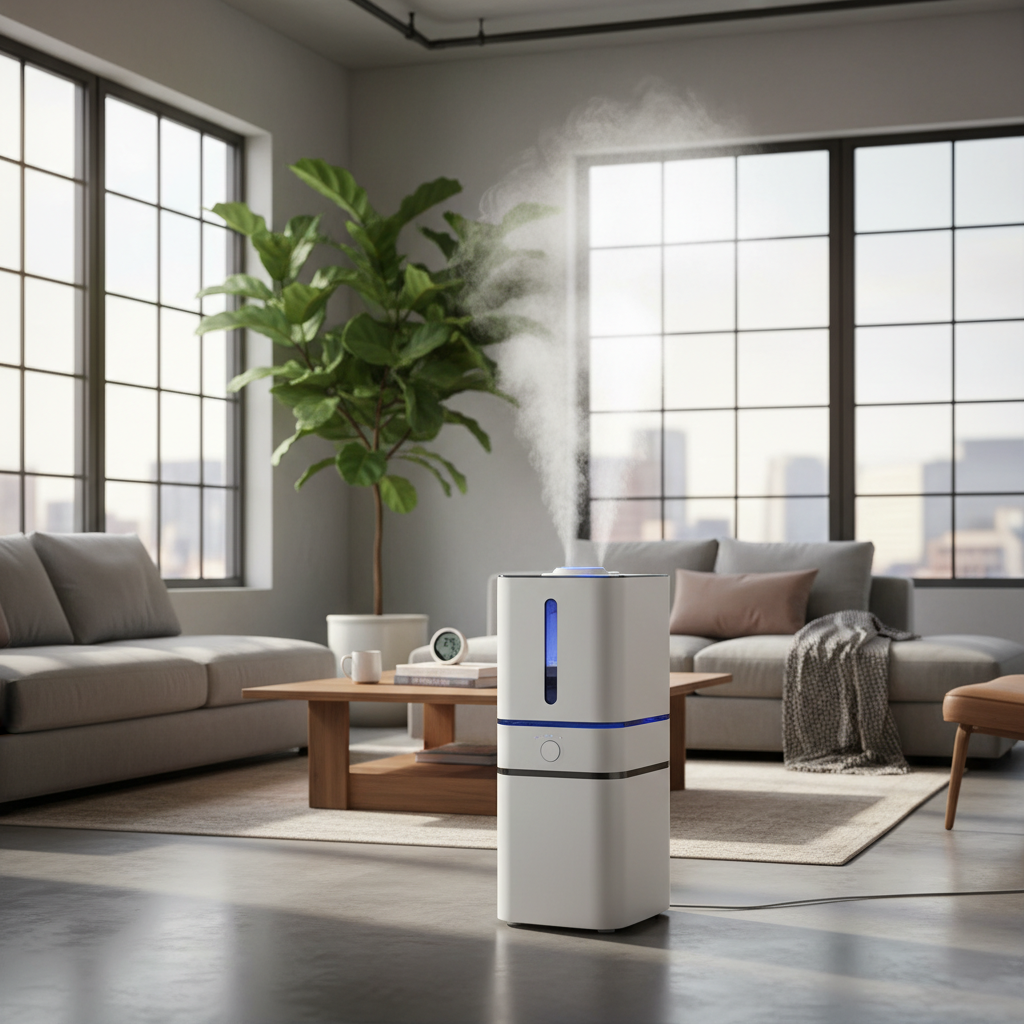
Working long hours at your desk, whether in a bustling office or a quiet home setup, often means contending with dry air. This common issue, exacerbated by air conditioning or heating systems, can lead to a host of discomforts, from dry skin and irritated eyes to persistent coughs and sinus problems. A small, often overlooked solution with a significant impact is the humble USB humidifier. These compact devices are designed to infuse your immediate personal space with much-needed moisture, transforming your workstation into a more comfortable and productive environment. This comprehensive guide will explore the benefits of these essential gadgets, compare their types, offer advice on selecting the perfect model, and provide crucial maintenance tips to ensure your air quality remains pristine.
What is a Humidifier and Why Do You Need One for Your Desk?
|
Our Picks for the Best Humidifier in 2026
As an Amazon Associate I earn from qualifying purchases.
|
||
| Num | Product | Action |
|---|---|---|
| 1 | Dreo Humidifiers for Bedroom, 4L Top Fill for Large Room, 36H Runtime, 28 dB Quiet Supersized Cool Mist Air Humidifier for Baby Nursery, Plants, Indoor, Night Light, Easy to Clean & Fill, White |

|
| 2 | Homvana Humidifiers for Bedroom Home, 3.6 L Cool Mist Top-Fill 34H Super Long Time, Quiet 23dB, Baby Humidifier, Oil Diffuser for Large Room, House, Plant, Nursery, Office, BPA FREE, Ultrasonic (Grey) |
|
| 3 | BOXING 3L Cool Mist Humidifiers, Ultra Quiet 20dB for Bedroom, Baby & Office, Top Fill Air Humidifier for Large Room Home & Indoor Plants, 30H Runtime, Essential Oil Tray, Night Light, BPA-Free, White |
|
| 4 | LEVOIT Humidifiers for Bedroom Large Room Home, (6L) Cool Mist Top Fill Essential Oil Diffuser for Baby & Plants, Smart App & Voice Control, Rapid Humidification & Auto Mode - Quiet Sleep Mode, Gray |
|
| 5 | LEVOIT Top Fill Humidifiers for Bedroom, 2.5L Tank for Large Room, Easy to Fill & Clean, 28dB Quiet Cool Mist Air Humidifier for Home Baby Nursery & Plants, Auto Shut-off for Safety, 25H |
|
| 6 | BREEZOME 6L Humidifiers for Bedroom Large Room & Essential Oil Diffuser, Ultrasonic Top Fill Cool Mist Humidifiers for Baby, Plants, Nursery Last up to 60 Hours, Smart Humidistat Control, Quiet, Black |
|
| 7 | Humidifiers for Bedroom Large Room with 7L/1.85Gal Large Humidifier, Smart App & Remote Control, 4 Mist Levels Large Room Humidifiers for Home Midnight |
|
| 8 | LEVOIT - Humidifiers for Bedroom - Quiet (3L Water Tank) - Cool Mist/Top Fill/Essential Oil Diffuser/25Watt - Home/Large Room - 360° Nozzle - Rapid Ultrasonic Humidification for Baby Nursery/Plant |
|
| 9 | Dreo Smart Humidifiers for Bedroom, Top Fill 4L Supersized Humidifier Large Room with 28 dB, 36H Runtime, Touch/APP/Voice Control, Nightlight, Cool Mist Humidifiers for Baby, Plants, Indoor, Black |
|
| 10 | MegaWise Topfill 7-colour Night light humidifier for Kid bedroom with 3.5L Large Capacity, No leakage Design Fine Mist Output Auto Shutoff, Essential Oil Safe Tank |
|
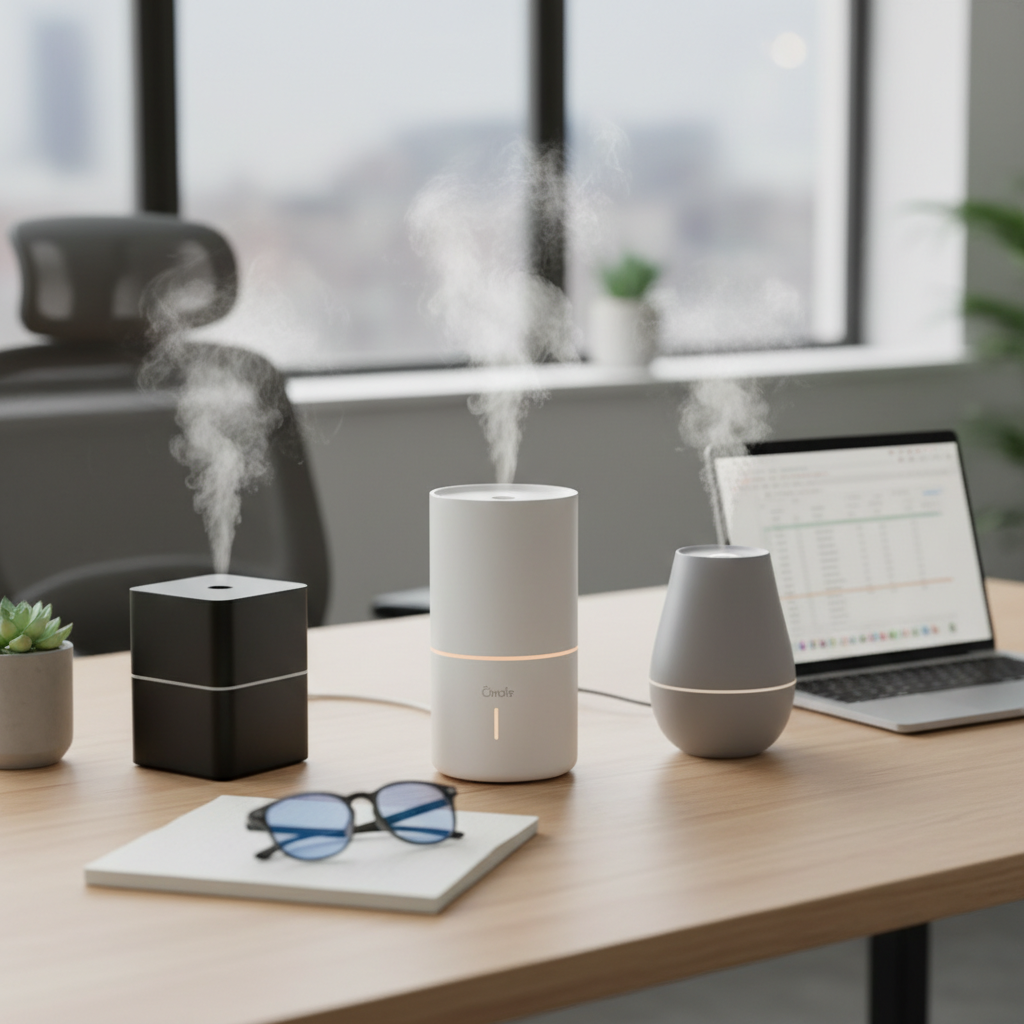
A humidifier is an appliance that releases water vapor or mist into the air to increase humidity levels. While larger models are designed for entire rooms or homes, desk humidifiers are specifically crafted for personal use, targeting the immediate vicinity of your workspace. They are particularly beneficial for combating the often arid conditions found in modern office environments.
The advantages of incorporating a USB humidifier into your desk setup are numerous, directly impacting both your health and well-being. By maintaining optimal humidity levels, typically between 40% and 60%, these devices can alleviate dry skin, soothe irritated eyes, and prevent chapped lips. For many, they provide relief from dry sinuses and throats, reducing the incidence of frequent coughs and allergy symptoms. Furthermore, studies suggest that maintaining adequate humidity can help reduce the spread of airborne viruses, including influenza, contributing to a healthier workspace. Beyond physical comfort, a well-humidified environment can reduce static electricity, protect electronic devices, and even foster greater focus and productivity by minimizing distracting discomforts.
Popular Types of Humidifiers for Office Desks: Pros and Cons
When considering a desk humidifier, you’ll primarily encounter two main types suitable for personal use: ultrasonic and evaporative. Understanding their differences is key to choosing the best fit for your needs.
Ultrasonic Humidifiers
Ultrasonic humidifiers utilize a metal diaphragm vibrating at ultrasonic frequency to produce a fine, cool mist. This advanced technology makes them a popular choice for office desks due to several key advantages.
- Pros: They are renowned for their whisper-quiet operation, often running at less than 30 decibels, making them virtually unnoticeable in a quiet office environment. They produce a fine, visible mist that can be soothing, and their compact, often aesthetically pleasing designs blend seamlessly into any desk decor.
- Cons: A primary drawback is the potential for “white dust” if tap water with high mineral content is used. This fine mineral residue can settle on surrounding surfaces. To avoid this, using distilled or demineralized water is highly recommended. Regular cleaning is also essential to prevent mold and bacterial growth within the tank and misting components.
Evaporative Humidifiers
Evaporative humidifiers work by drawing dry air through a moistened wick filter. A fan then blows the humidified air into the room as an invisible, natural vapor.
- Pros: They offer a natural and self-regulating humidification process, meaning they won’t over-humidify your space. They are generally energy-efficient and don’t produce white dust since minerals are typically trapped in the wick filter. Many users find the subtle fan noise to be a gentle white noise.
- Cons: They require regular wick replacement, which adds to ongoing costs and maintenance. The fan operation, while often quiet, is generally slightly noisier than ultrasonic models. They may also be less effective in very dry environments or larger personal spaces compared to their ultrasonic counterparts.
Steam Vaporizers (Warm Mist)
While effective, steam vaporizers (warm mist humidifiers) are generally not recommended for office desk use. They work by boiling water to create steam, which is then released into the air.
- Pros: The boiling process effectively kills bacteria and mold in the water, producing a clean mist. The warm mist can be particularly soothing for cold and flu symptoms.
- Cons: They pose a burn risk due to the heating element and hot steam, making them unsafe for close proximity on a desk, especially in shared workspaces. They also consume significantly more energy than cool mist options.
Impeller Humidifiers
Impeller humidifiers use a high-speed rotating disc to break water into tiny droplets, which are then released as a cool mist. They are less common for modern USB desk applications.
- Pros: They are filter-free and generally safe as they don’t use heat.
- Cons: They can be noisier than ultrasonic models and typically have a more limited mist output.
Comparison Table of Desk Humidifier Types
To help you make an informed decision, here’s a concise comparison of the most suitable types for office desk use:
| Feature | Ultrasonic Humidifiers | Evaporative Humidifiers |
|---|---|---|
| Principle | High-frequency vibrations | Fan over moistened wick filter |
| Mist Type | Cool, fine, visible mist | Cool, invisible, natural vapor |
| Noise Level | Very quiet (often <30dB) | Low to moderate (fan sound) |
| “White Dust” | Yes, with hard water (use distilled) | No, minerals trapped in wick |
| Maintenance | Regular cleaning | Regular cleaning, wick replacement |
| Safety (Heat) | Very safe (no heat) | Very safe (no heat) |
| Energy Use | Low | Low |
| Best For | Quiet spaces, compact desks | Those preferring natural moisture, don’t mind wick changes |
How to Choose the Right USB Humidifier for Your Office Desk
Selecting the ideal USB humidifier for your desk involves considering several factors that align with your workspace, lifestyle, and specific needs.
- Room Size and Coverage Area: While all USB humidifiers are designed for personal spaces, ensure the model you choose effectively covers your immediate desk area. Most are suitable for small cubicles, home office desks, or even car interiors.
- Water Tank Capacity and Runtime: Think about how often you want to refill the tank. Smaller tanks (e.g., 200-300ml) might run for 3-5 hours, while larger ones (500ml or more) can offer up to 8-10 hours of continuous mist. A longer runtime means less interruption during your workday.
- Noise Level: This is paramount for an office setting. Opt for models explicitly advertised as “whisper-quiet” or having a low decibel rating (e.g., under 30dB) to avoid distractions for yourself and colleagues. Ultrasonic humidifiers generally excel here.
- Ease of Cleaning and Maintenance: Humidifiers require regular cleaning to prevent mold, mildew, and bacteria buildup. Look for designs with wide openings, easily detachable parts, and straightforward instructions for hassle-free maintenance. An auto shut-off feature when the water level is low is also a crucial safety measure that prevents damage to the unit.
- Power Source (USB Compatibility): Since you’re looking for a USB humidifier, confirm its compatibility with your laptop, desktop, or a wall adapter. Most use standard USB-A, but some newer models might feature USB-C.
- Additional Features:
- Mist Settings: Many offer continuous and intermittent mist modes, allowing you to adjust output based on your preference and room humidity.
- Night Lights/LEDs: Some include subtle LED lights or a night light function, adding a pleasant ambiance, which can be a nice touch for a home office.
- Essential Oil Diffusion: If you enjoy aromatherapy, look for models specifically designed to also function as diffusers. Never add essential oils to a humidifier not designed for them, as it can damage the unit.
- Portability: Consider its weight and dimensions if you plan to move it between your home and office, or even for travel.
- Budget: USB desk humidifiers are generally affordable, ranging from $15-$50. Determine your budget, but remember that a slightly higher investment can often translate to better build quality, quieter operation, and more reliable features.
- Aesthetics: As it will sit on your desk, choose a design, color, and shape that complements your personal style and workspace decor.
Top-Rated USB Humidifiers for Office Desks
While specific models can quickly change, focusing on categories and features that consistently deliver quality performance helps in choosing wisely.
- Ultra-Compact & Portable Picks: These models prioritize a minimal footprint and lightweight design, often fitting in the palm of your hand. They are ideal for tiny desks, travel, or shared office environments where space is a premium. Look for ones with simple one-button operation and basic mist modes.
- Whisper-Quiet Champions: For those sensitive to noise or in highly focused work settings, select ultrasonic humidifiers with noise ratings explicitly stated as very low (e.g., below 25dB). These units ensure your concentration remains unbroken while enjoying the benefits of humidified air.
- Long-Lasting Performance: If frequent refilling is a concern, consider models with larger water tank capacities (e.g., 500ml-1L) that can run for an entire workday (8-10 hours) on a single fill. These are excellent for uninterrupted hydration.
- Stylish & Functional Designs: Many modern USB humidifiers combine practical functionality with sleek aesthetics. From minimalist cylinders to unique, artistic shapes, these units not only perform well but also add a touch of elegance to your desk, often featuring subtle LED lighting or unique color options.
Essential Usage and Maintenance Tips for Your Desk Humidifier
To maximize the effectiveness and lifespan of your USB desk humidifier, proper usage and diligent maintenance are crucial. Neglecting these steps can lead to decreased performance and, more importantly, the growth of harmful bacteria and mold.
- Strategic Placement: Position your humidifier near your personal workspace, ideally 1-2 feet away, to benefit directly from the mist. Avoid placing it directly next to electronics like laptops or keyboards, as excessive moisture can be detrimental.
- Use the Right Water: For ultrasonic humidifiers, always use distilled or demineralized water. This prevents the emission of “white dust” (mineral particles) that can accumulate on your desk and surrounding items, and also prolongs the life of the unit. While tap water may be used in evaporative units, filter changes will be more frequent.
- Daily Rinse: After each use, or at least daily, empty any remaining water from the tank and rinse it thoroughly with clean water. Do not let water sit in the tank for extended periods, as this is an invitation for bacterial growth.
- Weekly Deep Cleaning: Once a week, perform a more thorough cleaning.
- Disassemble: Unplug the unit and take apart all removable components (tank, base, mist nozzle, filter if applicable).
- Clean with Vinegar: Use a solution of white vinegar and water (e.g., equal parts) to clean the water tank and base. For stubborn mineral buildup, let the vinegar solution sit for 20-30 minutes. Use a soft brush or sponge to gently scrub any hard-to-reach areas.
- Rinse Thoroughly: Rinse all parts completely with clean water until there is no vinegar smell.
- Dry Completely: Allow all components to air dry fully before reassembling to prevent mold growth.
- Filter/Wick Replacement: If your humidifier uses a filter or wick, replace it according to the manufacturer’s recommendations. Neglecting this can significantly reduce efficiency and air quality.
- Utilize Auto Shut-off: Trust the auto shut-off feature. It’s designed to protect the unit when the water tank is empty, preventing potential damage.
- Store Properly: When not in use for an extended period, ensure the humidifier is thoroughly cleaned, dried, and stored in a cool, dry place.
Conclusion
A USB humidifier is a small yet mighty addition to any office desk, offering a personalized oasis of comfort and health. By introducing much-needed moisture into your immediate environment, these devices effectively combat dry air symptoms that can plague your skin, sinuses, and overall well-being. From alleviating dryness and preventing static to potentially reducing the spread of airborne pathogens, the benefits are clear. With various quiet, compact, and efficient models available, choosing the right ultrasonic or evaporative humidifier, coupled with diligent maintenance, can significantly enhance your daily work experience. Investing in your workspace’s air quality is an investment in your productivity and health.
Frequently Asked Questions
Are USB humidifiers effective for a whole room?
No, USB humidifiers are typically designed for personal use and small areas, such as your immediate desk space or a small cubicle. They are not powerful enough to significantly humidify an entire room.
Can I put essential oils in any USB humidifier?
You should only add essential oils to a USB humidifier if it is explicitly designed to also function as an essential oil diffuser. Adding oils to a standard humidifier can damage plastic components and void the warranty.
How often should I clean my desk humidifier?
For optimal hygiene and performance, it’s recommended to rinse your humidifier’s water tank daily and perform a more thorough deep cleaning, typically with a vinegar solution, at least once a week.
What type of water should I use in my ultrasonic desk humidifier?
For ultrasonic desk humidifiers, it is highly recommended to use distilled or demineralized water. This prevents the release of “white dust” (mineral deposits) into the air and onto your desk, and helps extend the life of the unit.
Do desk humidifiers prevent colds?
While desk humidifiers don’t directly prevent colds, maintaining optimal indoor humidity levels (between 40-60%) has been shown to potentially reduce the survival and spread of certain airborne viruses, including the flu virus, which may indirectly help in reducing the risk of illness.