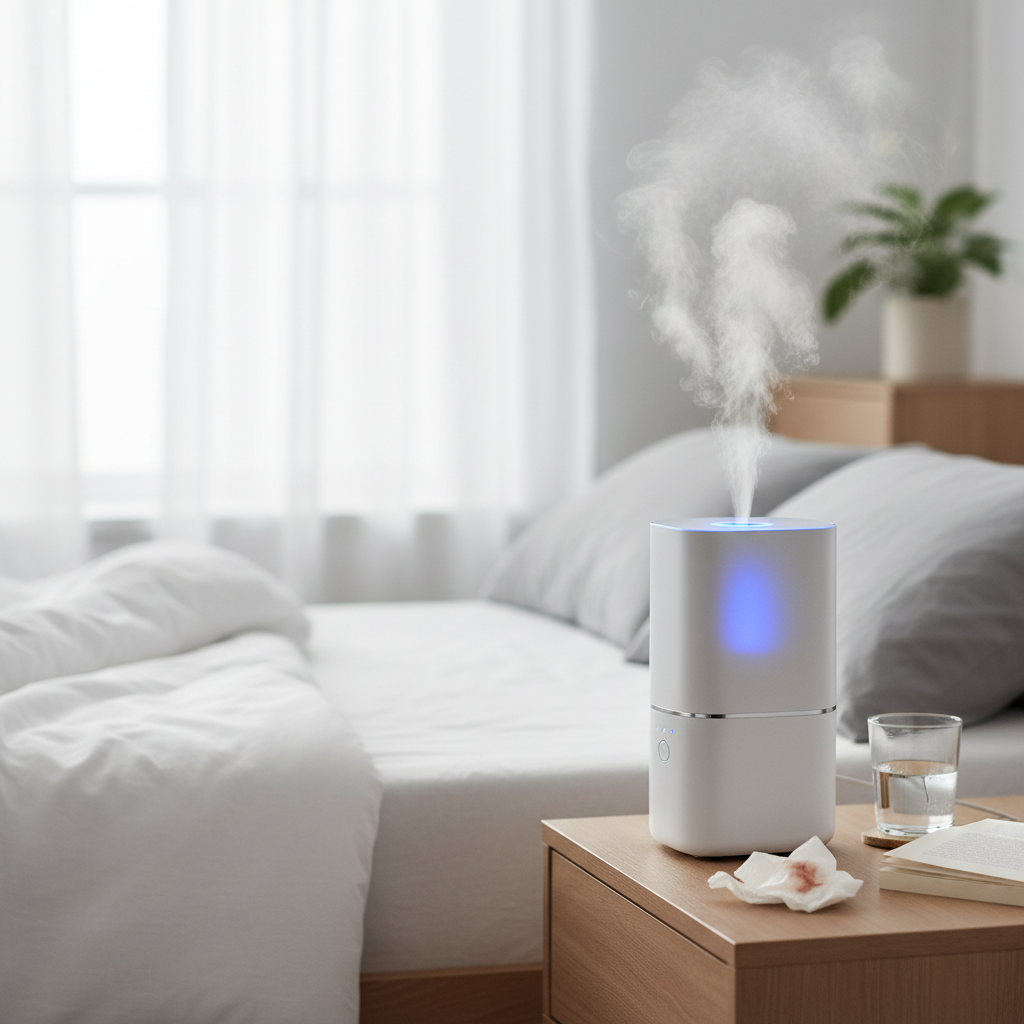
Waking up with a dry throat, suffering from persistent sinus congestion, or noticing static electricity crackling in your home? The culprit is often low indoor humidity, a common issue, especially during colder months or in arid climates. While many turn to devices to add moisture back into the air, the options can be confusing. Two of the most popular choices are steam vaporizers and humidifiers, each with unique operating principles, benefits, and considerations. Understanding their fundamental differences is key to selecting the perfect device for your home and health needs.
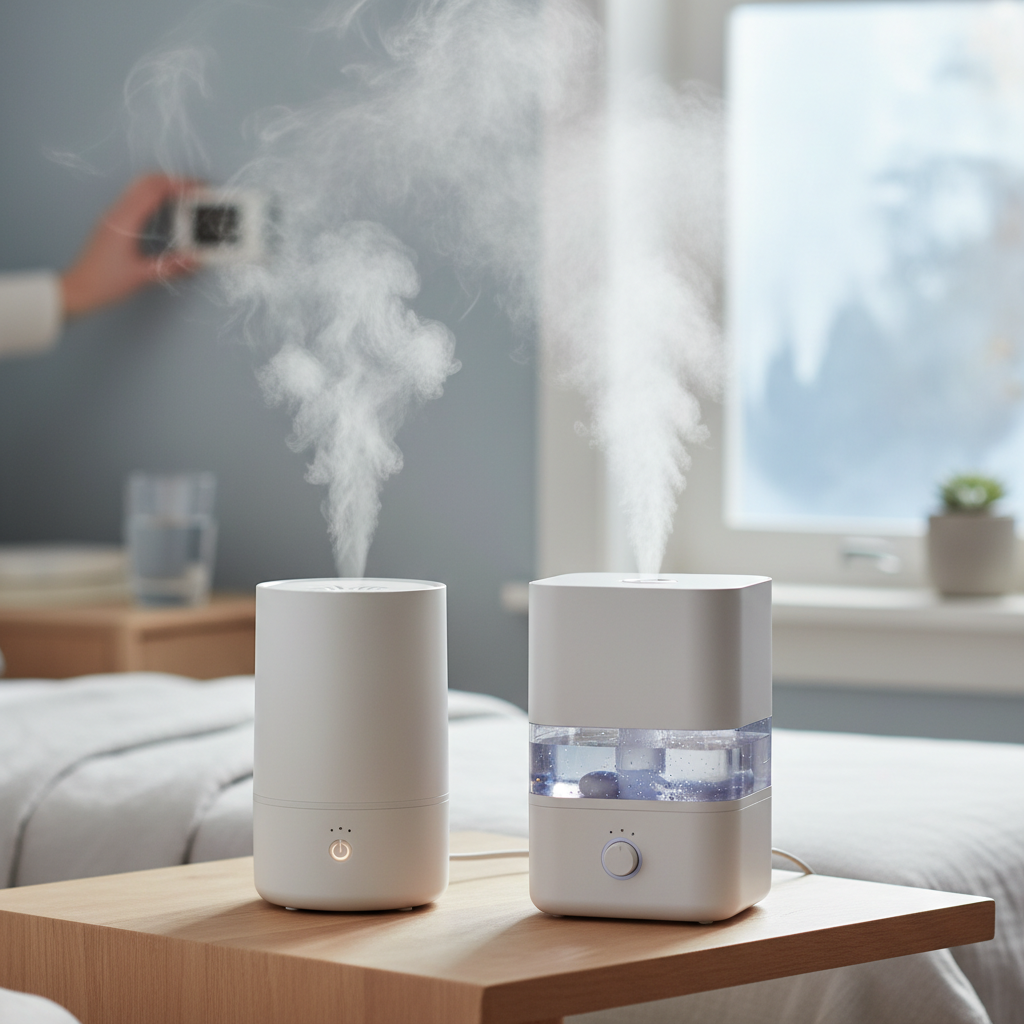
What is a Humidifier? Why Do You Need One?
At its core, a humidifier is an appliance that increases moisture levels in the air by releasing water vapor or mist. Maintaining an optimal indoor humidity level, typically between 30% and 50%, offers a wealth of health and comfort benefits. Dry air can exacerbate respiratory issues, leading to dry sinuses, bloody noses, and irritated throats. It can also dry out skin, lips, and hair, and even contribute to static electricity and damage wooden furniture. By adding moisture, humidifiers can soothe these symptoms, help alleviate cold and flu discomfort, and create a more comfortable living environment.
Understanding the Core Difference: Steam Vaporizer vs. Humidifier
The primary distinction between a steam vaporizer and a humidifier lies in their method of moisture production and the temperature of the mist they release.
Steam Vaporizers
Steam vaporizers operate by using an internal heating element to boil water, producing a warm, sterile steam that is then released into the air. This process ensures that any bacteria or impurities present in the water are eliminated, making the mist highly hygienic.
- How They Work: Water is heated to its boiling point, transforming into steam. This hot steam is then cooled slightly before being dispersed into the room as a warm mist.
- Pros:
- Hygienic: Boiling water kills germs and bacteria, providing clean, sterile steam.
- Soothing: The warm mist can be particularly comforting and effective for relieving congestion, colds, and coughs, as it helps to loosen mucus in the airways.
- Inhalant Compatibility: Many models allow for the addition of medicated inhalants or essential oils to the water, offering therapeutic benefits.
- Cons:
- Burn Risk: The primary drawback is the risk of burns from the hot water inside the unit or the steam itself, making them less ideal for homes with young children or pets.
- Higher Energy Consumption: Heating water requires more electricity compared to cool mist methods.
- Hot to Touch: The exterior of the device can become hot during operation.
|
Our Picks for the Best Humidifier in 2026
As an Amazon Associate I earn from qualifying purchases.
|
||
| Num | Product | Action |
|---|---|---|
| 1 | MegaWise Topfill 7-colour Night light humidifier for Kid bedroom with 3.5L Large Capacity, No leakage Design Fine Mist Output Auto Shutoff, Essential Oil Safe Tank |

|
| 2 | BREEZOME 6L Humidifiers for Bedroom Large Room & Essential Oil Diffuser, Ultrasonic Top Fill Cool Mist Humidifiers for Baby, Plants, Nursery Last up to 60 Hours, Smart Humidistat Control, Quiet, Black |
|
| 3 | BOXING 3L Cool Mist Humidifiers, Ultra Quiet 20dB for Bedroom, Baby & Office, Top Fill Air Humidifier for Large Room Home & Indoor Plants, 30H Runtime, Essential Oil Tray, Night Light, BPA-Free, White |
|
| 4 | Dreo Humidifiers for Bedroom, 4L Top Fill for Large Room, 36H Runtime, 28 dB Quiet Supersized Cool Mist Air Humidifier for Baby Nursery, Plants, Indoor, Night Light, Easy to Clean & Fill, White |
|
| 5 | Homvana Humidifiers for Bedroom Home, 3.6 L Cool Mist Top-Fill 34H Super Long Time, Quiet 23dB, Baby Humidifier, Oil Diffuser for Large Room, House, Plant, Nursery, Office, BPA FREE, Ultrasonic (Grey) |
|
| 6 | Dreo Smart Humidifiers for Bedroom, Top Fill 4L Supersized Humidifier Large Room with 28 dB, 36H Runtime, Touch/APP/Voice Control, Nightlight, Cool Mist Humidifiers for Baby, Plants, Indoor, Black |
|
| 7 | LEVOIT Top Fill Humidifiers for Bedroom, 2.5L Tank for Large Room, Easy to Fill & Clean, 28dB Quiet Cool Mist Air Humidifier for Home Baby Nursery & Plants, Auto Shut-off for Safety, 25H |
|
| 8 | LEVOIT Humidifiers for Bedroom Large Room Home, (6L) Cool Mist Top Fill Essential Oil Diffuser for Baby & Plants, Smart App & Voice Control, Rapid Humidification & Auto Mode - Quiet Sleep Mode, Gray |
|
| 9 | LEVOIT - Humidifiers for Bedroom - Quiet (3L Water Tank) - Cool Mist/Top Fill/Essential Oil Diffuser/25Watt - Home/Large Room - 360° Nozzle - Rapid Ultrasonic Humidification for Baby Nursery/Plant |
|
| 10 | Humidifiers for Bedroom Large Room with 7L/1.85Gal Large Humidifier, Smart App & Remote Control, 4 Mist Levels Large Room Humidifiers for Home Midnight |
|
Humidifiers (General)
The term “humidifier” is a broad category encompassing several types of devices that add moisture to the air without necessarily boiling water. These often release a cool mist, though some offer warm mist settings through different mechanisms than boiling.
- How They Work: Humidifiers utilize various technologies, such as ultrasonic vibrations, evaporative wicks, or rotating disks, to produce a fine mist or vapor from cold water.
- Pros:
- Safer: Cool mist humidifiers eliminate the burn risk associated with hot water and steam, making them a safer choice for families with children and pets.
- Versatility: A wide range of models and technologies are available, catering to different needs and budgets.
- Energy Efficiency: Many cool mist humidifiers consume less electricity than steam vaporizers.
- Cons:
- Mineral Dust: Ultrasonic humidifiers can produce “white dust” (mineral deposits) if tap water with high mineral content is used.
- Maintenance: All humidifiers require regular cleaning to prevent the buildup of mold, bacteria, and mineral deposits, which can be released into the air if neglected.
- Filter Replacement: Evaporative models require periodic filter replacements, incurring ongoing costs.
Types of Humidifiers: A Closer Look
Beyond the general distinction, humidifiers come in several forms, each with its own operational nuances, advantages, and disadvantages.
Evaporative Humidifiers
Evaporative humidifiers are among the most common and energy-efficient types. They use a simple, natural process to add moisture to the air.
- Principle of Operation: A fan blows air over a saturated wick filter, causing water to evaporate and be released as an invisible, cool mist. The wick also traps mineral deposits.
- Pros:
- Energy-Efficient: Relatively low power consumption as they don’t heat water.
- Self-Regulating: They naturally add moisture until the air is saturated, making it difficult to over-humidify a room.
- Affordable: Often less expensive to purchase than other types.
- Cons:
- Filter Replacement: The wick filter needs regular cleaning and replacement, typically every 1-3 months, leading to ongoing costs.
- Visible Filters: Filters can accumulate mold or mildew if not maintained, which can then be dispersed into the air.
- Noise: The fan can produce a noticeable humming sound.
Ultrasonic Humidifiers
Known for their quiet operation, ultrasonic humidifiers use high-frequency vibrations to create a fine mist.
- Principle of Operation: A ceramic diaphragm vibrates at an ultrasonic frequency, breaking water into a super-fine mist that is then quietly dispersed into the air. These can produce both cool and sometimes warm mist without a heating element.
- Pros:
- Quiet Operation: They are typically much quieter than evaporative humidifiers, making them ideal for bedrooms.
- Fine Mist: Produces a very fine, visible mist.
- Filter-Free Options: Many models do not require filters, reducing maintenance costs.
- Cons:
- “White Dust”: If hard tap water is used, minerals can be aerosolized and deposited as white dust on nearby surfaces. Using distilled water can mitigate this, but adds to running costs.
- Potential for Contaminants: Without boiling, water impurities are not eliminated and can be released into the air if not properly cleaned.
Warm Mist Humidifiers
While steam vaporizers exclusively produce warm mist by boiling water, some humidifiers are designed to create a warm mist without necessarily reaching boiling temperatures or offering a cool mist alternative. These devices often include a heating element that warms the water before releasing it as a soothing mist.
- Principle of Operation: Water is gently heated by a heating element, but typically not to boiling, and then released as a warm, comforting mist.
- Pros:
- Soothing: The warm mist can be very comforting for congestion and respiratory issues.
- Reduced Germs: Heating the water reduces the spread of airborne bacteria and mold compared to cool mist models.
- Cons:
- Burn Risk: Though generally lower than steam vaporizers, there is still a potential burn risk from the heated water or mist.
- Higher Energy Consumption: Heating water requires more energy.
- Mineral Buildup: Mineral deposits can still form on the heating element, requiring regular cleaning.
Impeller Humidifiers
Impeller humidifiers, also known as cool mist humidifiers, use a rotating disk to produce a fine, cool mist.
- Principle of Operation: A rapidly rotating disk flings water against a diffuser, breaking it into tiny droplets that form a cool mist.
- Pros:
- Safety: No heating element involved, eliminating burn risks.
- Ease of Use: Generally simple in design and operation.
- Cons:
- Noise: Can be louder than ultrasonic models due to the rotating disk.
- Lower Output: May not be as effective for humidifying larger rooms.
- Maintenance: Still requires regular cleaning to prevent bacterial growth.
Comparison Table: Steam Vaporizer vs. Key Humidifier Types
| Feature | Steam Vaporizer | Evaporative Humidifier | Ultrasonic Humidifier | Warm Mist Humidifier (Non-Boiling) | Impeller Humidifier |
|---|---|---|---|---|---|
| Mist Type | Warm (Hot Steam) | Cool (Invisible) | Cool or Warm (Visible) | Warm (Visible) | Cool (Visible) |
| Safety | Burn risk (hot water/steam) | Very low | Very low | Low burn risk (heated water) | Very low |
| Hygiene | High (boils water) | Moderate (filter traps some) | Low (if not cleaned; “white dust”) | Moderate (heated water) | Low (if not cleaned) |
| Energy Use | High | Low | Low | Moderate-High | Low |
| Noise Level | Low (gentle boil) | Moderate (fan) | Very low (quiet) | Low | Moderate (rotating disk) |
| Maintenance | Regular descaling | Filter replacement, regular cleaning | Regular cleaning, distilled water for “white dust” | Regular cleaning, descaling | Regular cleaning |
| Ideal Use | Colds, congestion, sterile mist, adult spaces | General use, large rooms, energy efficiency | Bedrooms, quiet operation, filter-free | Colds, congestion, soothing, reduced germ spread | General use, safe, easy |
| Cost (Initial) | Low-Moderate | Low-Moderate | Moderate-High | Moderate | Low |
Choosing the Right Device: Factors to Consider
Selecting between a steam vaporizer and the various types of humidifiers depends on a thoughtful assessment of your specific needs and environment.
Room Size
The coverage area is paramount. Humidifiers are rated for specific room sizes (e.g., small, medium, large, whole-house). An undersized unit won’t effectively humidify, while an oversized one can lead to excessive condensation and potential mold growth. Measure your room and match it to the device’s capacity.
Desired Humidity Level
A hygrometer, either built into the humidifier or a separate device, helps monitor and maintain ideal humidity levels (30-50%). Some advanced humidifiers feature an auto-humidistat that automatically adjusts output to reach and maintain a set humidity.
Budget
Prices vary widely. Steam vaporizers and basic evaporative humidifiers are often more affordable initially. Ultrasonic and advanced warm mist models can be more expensive. Factor in ongoing costs like distilled water for ultrasonic units or replacement filters for evaporative types.
Safety
For homes with young children, pets, or individuals with limited mobility, cool mist humidifiers are generally the safest option due to the absence of hot water or steam, eliminating burn risks.
Health Concerns
- Colds, Flu, Congestion: Both warm mist (vaporizers and warm mist humidifiers) and cool mist can help. Warm mist is often cited for its soothing properties for upper respiratory symptoms.
- Allergies and Asthma: Maintaining optimal humidity can alleviate symptoms. However, it’s crucial to prevent over-humidification (above 60%), which can foster dust mites and mold, exacerbating allergies. The sterile mist from a vaporizer may be beneficial for highly sensitive individuals, but cleaning is key for all types.
Maintenance Commitment
All humidifying devices require diligent cleaning to prevent health hazards. Consider how much time you are willing to dedicate to daily emptying, weekly scrubbing, and periodic descaling or filter replacements. Devices with fewer parts or larger openings may be easier to clean.
Additional Features
Modern devices offer a range of convenient features:
- Auto Shut-off: Turns off the unit when water runs low or desired humidity is reached.
- Humidistat: Automatically maintains a preset humidity level.
- Timer: Allows you to set specific operating durations.
- Remote Control: For easy adjustments.
- Nightlight/Diffuser Tray: Some models include these for added ambiance or aromatherapy.
Top Humidifier and Vaporizer Considerations
When looking for a device, focus on reputable brands known for reliability and customer support. Prioritize models with easy-to-clean designs and readily available replacement parts (if applicable). Look for features like wide tank openings, dishwasher-safe components, or demineralization cartridges to simplify maintenance. Consider your specific environment – a very dry climate might benefit from a higher output unit, while a small nursery needs a safe, quiet option.
Usage and Maintenance Guide
Proper usage and maintenance are critical for both the longevity of your device and, more importantly, your health. Neglecting cleaning can turn your humidity booster into a dispenser of airborne irritants.
- Placement: Position the device on a flat, waterproof surface, away from walls, electronics, and porous materials that could be damaged by moisture. Place it close enough to the user to be effective but out of reach of children and pets.
- Water Type: Always check your manufacturer’s recommendations. For ultrasonic humidifiers, using distilled or demineralized water is highly recommended to prevent “white dust” and mineral buildup. Tap water is generally acceptable for evaporative and steam vaporizers, but regular descaling will be essential.
- Daily Routine:
- Empty the water tank and base daily.
- Rinse the tank and base with fresh water and wipe dry.
- Refill with fresh water.
- Weekly Cleaning (or more frequently as needed):
- Unplug the unit.
- Disassemble the device.
- For mineral buildup, soak parts in a solution of equal parts white vinegar and water for 20-30 minutes. Scrub any scale gently with a brush.
- For disinfection, some manufacturers recommend a mild bleach solution (e.g., 1 teaspoon bleach per gallon of water) to sanitize parts. Rinse thoroughly with clean water until no bleach odor remains.
- Rinse all parts thoroughly and allow them to air dry completely before reassembling.
- Filter Replacement: For evaporative humidifiers, replace the wick filter according to the manufacturer’s schedule, typically every 1-3 months, or when it hardens, discolors, or shows signs of mold.
- Monitor Humidity: Use a hygrometer to keep indoor humidity between 30-50%. If condensation appears on windows or walls, reduce the humidifier’s output.
Common Issues and Troubleshooting
- No Mist/Steam: Check water levels, ensure the unit is plugged in, and clean any mineral buildup on heating elements or ultrasonic disks.
- White Dust: Use distilled water or consider a demineralization cartridge for ultrasonic humidifiers.
- Unpleasant Odor: This is often a sign of mold or bacteria. A thorough cleaning and sanitizing is required.
- Excessive Noise: For evaporative units, check for obstructions in the fan or filter. For impeller units, ensure the rotating disk is clear.
“Many people overlook the importance of humidifier maintenance, but it’s perhaps the most critical aspect of using these devices safely and effectively. A dirty humidifier can do more harm than good, potentially dispersing bacteria and mold spores into your breathable air. Daily rinsing and regular deep cleaning are non-negotiable for a healthy home environment.” – Dr. Emily R. Carter, Environmental Health Specialist
Conclusion
Choosing between a steam vaporizer and a humidifier ultimately comes down to your priorities concerning safety, health needs, and maintenance commitment. Steam vaporizers offer sterile, warm mist, ideal for congestion, but carry a burn risk. Humidifiers, particularly cool mist variants, provide a safer alternative with diverse technologies like evaporative and ultrasonic models, each with its own advantages regarding quietness, efficiency, and maintenance. Regardless of your choice, diligent cleaning and adherence to manufacturer guidelines are paramount to ensure the device enhances your indoor air quality and overall well-being. By considering the factors outlined here, you can confidently select the right air moisture solution for your home, transforming dry, uncomfortable air into a healthier, more pleasant atmosphere.
Frequently Asked Questions
Which is better for a baby’s room, a steam vaporizer or a humidifier?
For a baby’s room, a cool mist humidifier is generally recommended over a steam vaporizer. This is due to the inherent burn risk associated with the hot water and steam produced by vaporizers, making cool mist options a safer choice for environments with young children.
Can I use essential oils in a steam vaporizer or humidifier?
It depends on the specific model. Some vaporizers and humidifiers come with a dedicated essential oil tray or diffuser compartment, designed for aromatherapy. Directly adding essential oils into the water tank is generally not recommended as it can damage the unit and void the warranty.
How often should I clean my humidifier or vaporizer?
Daily rinsing and refilling with fresh water are recommended. A more thorough cleaning, including descaling and sanitizing, should be performed at least once a week to prevent the buildup of bacteria, mold, and mineral deposits.
What is “white dust” and how can I prevent it?
“White dust” is a fine powder of mineral deposits released into the air by ultrasonic humidifiers when using hard tap water. To prevent it, use distilled or demineralized water in your ultrasonic humidifier, or consider a demineralization cartridge if available for your model.
Can a humidifier help with allergies?
Yes, maintaining optimal indoor humidity (between 30% and 50%) can help alleviate some allergy symptoms by soothing irritated airways. However, it’s crucial not to over-humidify, as high humidity levels (above 60%) can promote the growth of dust mites and mold, which are common allergens themselves.