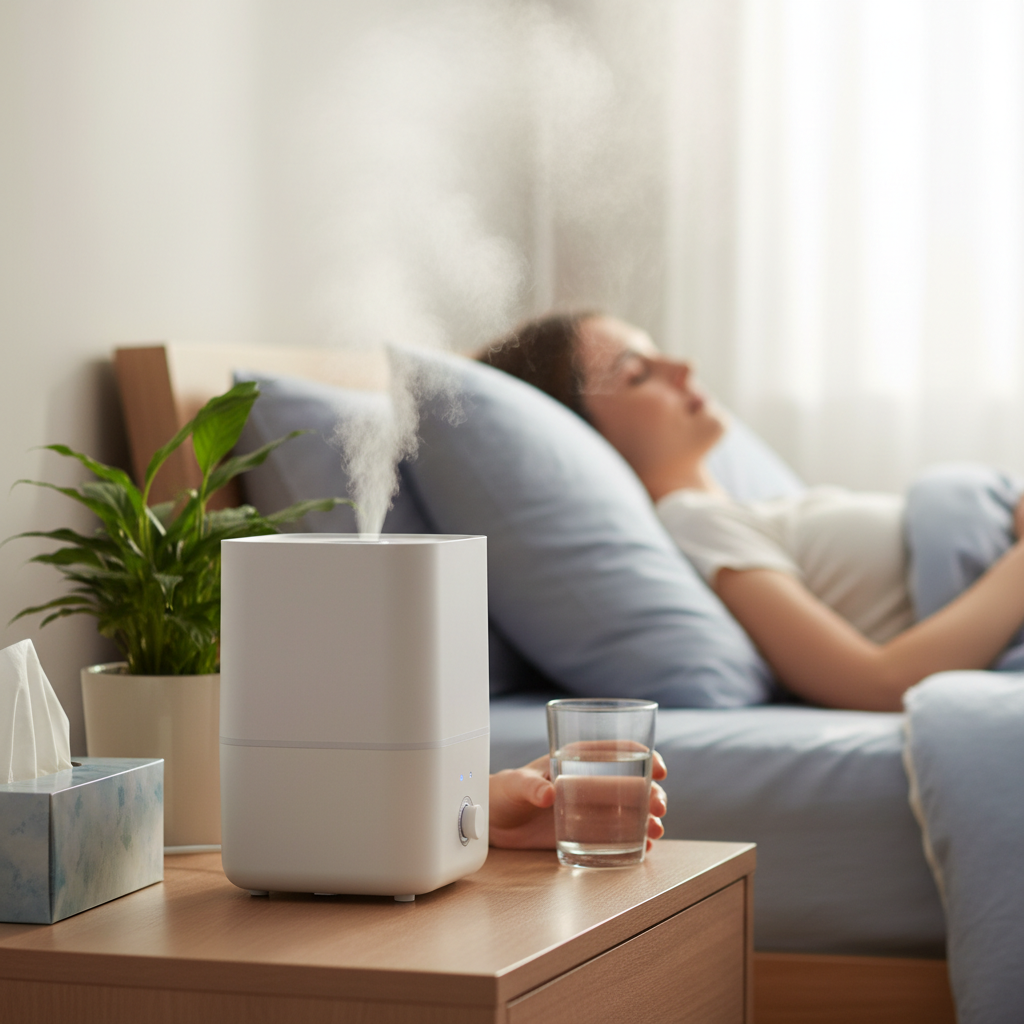
Do you often wake up with dry skin, a scratchy throat, or notice static electricity zapping you around the house? Dry indoor air is a common nuisance, particularly during colder months when heating systems are running overtime. While commercial humidifiers offer a quick fix, they aren’t always in everyone’s budget or readily available. What if a solution was as simple as a bowl of water? This guide delves into the humble, yet often overlooked, method of using a bowl of water to add moisture to your environment, exploring how it works, how to maximize its effectiveness, and what to expect from this natural approach.
What is a Humidifier? Why Do You Need One?
|
Our Picks for the Best Humidifier in 2026
As an Amazon Associate I earn from qualifying purchases.
|
||
| Num | Product | Action |
|---|---|---|
| 1 | BOXING 3L Cool Mist Humidifiers, Ultra Quiet 20dB for Bedroom, Baby & Office, Top Fill Air Humidifier for Large Room Home & Indoor Plants, 30H Runtime, Essential Oil Tray, Night Light, BPA-Free, White |

|
| 2 | LEVOIT Top Fill Humidifiers for Bedroom, 2.5L Tank for Large Room, Easy to Fill & Clean, 28dB Quiet Cool Mist Air Humidifier for Home Baby Nursery & Plants, Auto Shut-off for Safety, 25H |
|
| 3 | Dreo Smart Humidifiers for Bedroom, Top Fill 4L Supersized Humidifier Large Room with 28 dB, 36H Runtime, Touch/APP/Voice Control, Nightlight, Cool Mist Humidifiers for Baby, Plants, Indoor, Black |
|
| 4 | MegaWise Topfill 7-colour Night light humidifier for Kid bedroom with 3.5L Large Capacity, No leakage Design Fine Mist Output Auto Shutoff, Essential Oil Safe Tank |
|
| 5 | BREEZOME 6L Humidifiers for Bedroom Large Room & Essential Oil Diffuser, Ultrasonic Top Fill Cool Mist Humidifiers for Baby, Plants, Nursery Last up to 60 Hours, Smart Humidistat Control, Quiet, Black |
|
| 6 | LEVOIT - Humidifiers for Bedroom - Quiet (3L Water Tank) - Cool Mist/Top Fill/Essential Oil Diffuser/25Watt - Home/Large Room - 360° Nozzle - Rapid Ultrasonic Humidification for Baby Nursery/Plant |
|
| 7 | Homvana Humidifiers for Bedroom Home, 3.6 L Cool Mist Top-Fill 34H Super Long Time, Quiet 23dB, Baby Humidifier, Oil Diffuser for Large Room, House, Plant, Nursery, Office, BPA FREE, Ultrasonic (Grey) |
|
| 8 | Humidifiers for Bedroom Large Room with 7L/1.85Gal Large Humidifier, Smart App & Remote Control, 4 Mist Levels Large Room Humidifiers for Home Midnight |
|
| 9 | Dreo Humidifiers for Bedroom, 4L Top Fill for Large Room, 36H Runtime, 28 dB Quiet Supersized Cool Mist Air Humidifier for Baby Nursery, Plants, Indoor, Night Light, Easy to Clean & Fill, White |
|
| 10 | LEVOIT Humidifiers for Bedroom Large Room Home, (6L) Cool Mist Top Fill Essential Oil Diffuser for Baby & Plants, Smart App & Voice Control, Rapid Humidification & Auto Mode - Quiet Sleep Mode, Gray |
|
A humidifier is a device designed to increase the moisture level, or humidity, in a room or entire house. When indoor air becomes too dry, it can lead to a host of uncomfortable issues. Your skin might feel parched, lips can chap, and your nasal passages and throat can become irritated, potentially worsening cold and allergy symptoms. Dry air also affects your home and belongings, causing wood furniture and floors to crack, wallpaper to peel, and even musical instruments to go out of tune. Beyond comfort, maintaining an optimal humidity level (typically between 40-60%) can reduce static electricity and may even help protect your electronics.
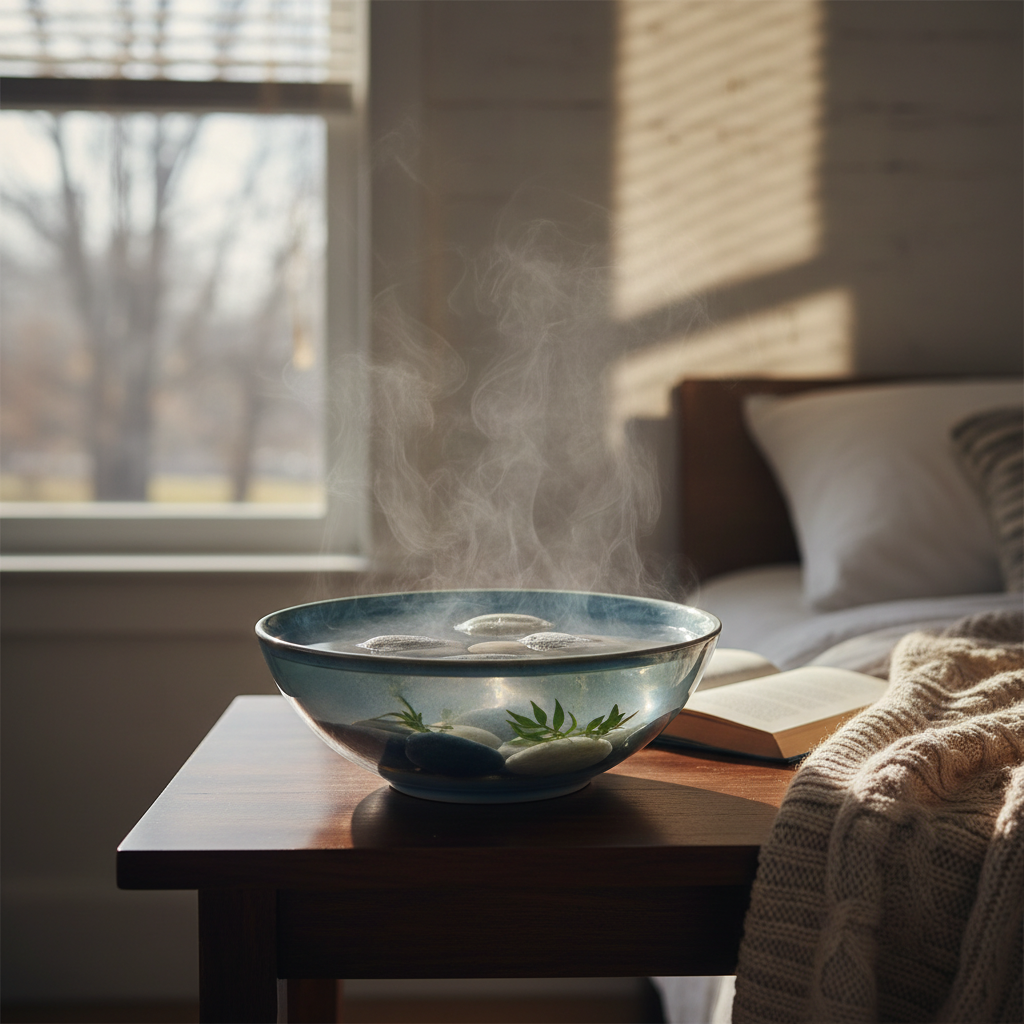
While specialized humidifiers actively disperse moisture into the air, a DIY bowl of water works on the fundamental principle of natural evaporation. It offers a passive, electricity-free way to gently introduce moisture, making it an accessible option for those seeking a simple remedy for minor dry air concerns.
Common Types of Humidifiers: Traditional vs. DIY
Before diving into the DIY bowl method, it’s helpful to understand the spectrum of humidification. Commercial humidifiers generally fall into a few categories, each with distinct mechanisms. Evaporative humidifiers use a fan to blow air through a wet wick filter, ultrasonic humidifiers create a fine mist using high-frequency vibrations, and steam vaporizers boil water to release warm mist. Each has its pros and cons in terms of efficiency, noise, cost, and maintenance.
However, the “DIY Evaporative Humidifier with a Bowl of Water” stands apart due to its sheer simplicity.
DIY Bowl of Water Humidifier
- Principle of Operation: Water naturally evaporates from the surface of the bowl into the surrounding air. The warmer the water and the larger its exposed surface area, the faster the evaporation process.
- Advantages:
- Extremely Cost-Effective: Requires only a bowl and tap water.
- Silent Operation: Produces no noise.
- No Electricity Needed: Environmentally friendly and saves on utility bills.
- Easy Setup: Place and fill – that’s it.
- Disadvantages:
- Slow and Limited Effectiveness: Significantly less efficient than commercial units, especially in larger rooms.
- Frequent Refilling: Water evaporates, requiring regular topping up.
- Potential for Stagnant Water: If not regularly cleaned and refilled, stagnant water can become a breeding ground for bacteria or attract pests.
- Aesthetic Considerations: Multiple bowls may not suit all décor styles.
Comparison Table: DIY Bowl vs. Basic Commercial Humidifier
To help you decide if a DIY approach is right for your needs, here’s a comparison between a simple bowl of water and a typical basic commercial humidifier:
| Feature | DIY Bowl of Water Humidifier | Basic Commercial Humidifier |
|---|---|---|
| Initial Cost | Virtually Free | $30 – $100+ |
| Effectiveness | Minimal, best for small areas | Moderate to High, room-specific |
| Maintenance | Daily refilling, regular cleaning | Daily refilling, filter changes, cleaning |
| Safety | Low risk (spills), no electrical | Electrical hazard, mist safety, mold if not cleaned |
| Noise Level | Silent | Low to Moderate (fan, bubbling) |
| Energy Use | None | Low to Moderate |
| Control | None (passive evaporation) | On/Off, often humidity settings |
How to Maximize Your Bowl Humidifier’s Effectiveness: Factors to Consider
While a simple bowl of water won’t transform a desert-dry living room into a rainforest, you can enhance its impact, especially in smaller, contained spaces. The goal is to encourage faster evaporation.
Room Size:
The bowl method is most effective in smaller, more enclosed areas like a bedroom, office, or bathroom. In large, open-plan spaces, the diffused moisture will be negligible. To gauge whether you need more than a single bowl, consider using a hygrometer to measure the room’s humidity levels.
Water Surface Area:
Evaporation occurs from the water’s surface. Therefore, a wider, shallower bowl will release more moisture than a narrow, deep one with the same volume of water. For an even greater boost, try placing a clean sponge or a folded, clean towel partially submerged in the water, allowing a larger wet surface area to be exposed to the air.
Heat Source:
Heat is a catalyst for evaporation. Placing your bowl near a heat source significantly increases the rate at which water turns into vapor. Ideal spots include:
- On top of a radiator.
- Near a heating vent (ensure the bowl is heat-safe and stable).
- In a sunny window where direct sunlight can warm the water.
Always use ceramic or metal bowls in these locations to prevent melting or damage to plastic containers.
Air Circulation:
Stagnant air limits evaporation. A gentle breeze across the water’s surface can help carry moisture into the room. If you have a small fan, positioning it to blow gently over a bowl (with a wet towel or sponge for maximized surface area) can create a mini-evaporative humidifier. Ensure the fan is positioned safely to avoid any water splashes near electrical components.
Water Quality:
While not strictly about effectiveness, using clean, fresh water is crucial for hygiene. Tap water is generally fine for this method, but if you notice significant mineral deposits (“white dust”) on surfaces around the bowl, you might consider distilled water, though this is less common with simple evaporation than with ultrasonic humidifiers.
Safety:
Always place bowls in stable locations where they won’t be easily knocked over by pets or children. Avoid placing them directly on or too close to electrical outlets or delicate electronics, as accidental spills could pose a hazard.
“Many underestimate the power of passive evaporation. While not a powerhouse, strategic placement and maximizing surface area can turn a simple bowl into a surprisingly effective localized humidity booster.” – Dr. Emily Carter, Environmental Health Specialist
Beyond the Bowl: Other Simple DIY Humidity Boosters
A bowl of water is just one of many ways to naturally increase indoor humidity. Consider incorporating these other easy methods into your routine for a more comprehensive approach:
- Boil Water on the Stove: Cooking on the stovetop, especially boiling water for pasta, rice, or even just simmering a pot of water, releases a significant amount of steam. For an aromatic bonus, add citrus peels, cinnamon sticks, or cloves to the simmering water.
- Leave the Bathroom Door Open After a Shower or Bath: The steam from a hot shower or bath can quickly raise humidity levels in the bathroom. By leaving the door ajar, you allow this moisture to escape into adjacent rooms.
- Dry Laundry Indoors: Instead of using a clothes dryer, hang your wet laundry on a drying rack indoors. As the water evaporates from your clothes, it humidifies the air. This method is especially effective during the winter when heating systems tend to dry out the air.
- Houseplants: Many houseplants naturally release moisture into the air through a process called transpiration. Grouping several plants together can create a small humid microclimate.
- Wet Towel Over a Chair: Similar to the bowl with a sponge, a damp towel draped over a chair or drying rack will evaporate moisture into the air. Place it near a heat source for enhanced effect.
Usage and Maintenance Guide for Your DIY Humidifier
Using a bowl of water as a humidifier is straightforward, but a few practices can ensure it’s both effective and hygienic.
Placement: Position your bowls strategically. Near a heat source like a radiator or heating vent, or in a sun-drenched window, will yield the best results. For general room humidification, distribute multiple bowls throughout the space, focusing on areas where you spend the most time.
Refilling: Water will evaporate, so check your bowls daily. Refill them with fresh water as needed, ensuring they don’t dry out completely for continuous moisture release.
Cleaning: This is critical for hygiene. Stagnant water can quickly become a breeding ground for bacteria, mold, or even mosquito larvae. Wash your bowls thoroughly with soap and water every two to three days. If you notice any slime or film, clean them immediately. Using distilled water can reduce mineral buildup, but regular cleaning remains essential regardless of water type.
Monitoring: For best results, consider investing in a simple hygrometer (a device that measures humidity). This will allow you to track your room’s humidity levels and adjust your DIY efforts accordingly, aiming for the ideal 40-60% range.
Common Questions About DIY Humidifiers
You might have questions about the practicality and safety of relying on a bowl of water for humidification.
How effective is a bowl of water as a humidifier really?
While a bowl of water does release moisture into the air through evaporation, its impact is generally minimal and slow compared to an electric humidifier. It’s best suited for slightly dry, small, and enclosed spaces and offers a gentle, subtle increase in humidity rather than a significant one.
Is it safe to use a bowl of water as a humidifier?
Yes, using a bowl of water is generally safe. However, always ensure the bowl is placed on a stable surface to prevent spills, especially near electrical outlets or valuable items. Regular cleaning is vital to prevent the growth of bacteria or mold in stagnant water, ensuring a healthy indoor environment.
Can using a bowl of water cause mold in my home?
It’s highly unlikely that simply placing a few bowls of water in a room will raise the humidity enough to cause mold growth on its own. Mold typically thrives in environments where humidity consistently exceeds 60%. While it’s always wise to monitor your indoor humidity with a hygrometer, this DIY method usually offers a gentle, controlled increase in moisture, not an excessive one.
How often should I change the water in the bowl?
For optimal hygiene and to prevent the buildup of bacteria or dust, it’s recommended to change the water and clean the bowl every one to two days. This keeps the water fresh and the evaporation process clean.
Conclusion
Embracing a DIY humidifier using a bowl of water is a testament to the power of simple, natural solutions for everyday comfort. While it won’t replace a high-capacity electric humidifier for severe dry air issues, it offers an incredibly affordable, silent, and electricity-free method for minor dry air relief in small spaces. By maximizing surface area, strategically placing your bowls near heat sources, and maintaining good hygiene, you can effectively enhance your indoor environment. So, before you invest in an expensive gadget, consider if this age-old trick can bring a subtle, refreshing change to your home. Could this simple, natural approach be the quiet helper your dry air has been waiting for?
Frequently Asked Questions
Will a bowl of hot water work better than cold water to humidify a room?
Yes, hot water will evaporate more quickly than cold water, leading to a faster and slightly more noticeable increase in humidity. However, the effect will still be localized and temporary compared to a powered humidifier. Always exercise caution when placing hot water to prevent accidental burns or spills.
Can I add essential oils to the bowl of water for a pleasant scent?
You can add a few drops of essential oils to the water for a subtle aroma. However, be aware that the scent will be very mild and dissipate slowly due to the passive evaporation. Ensure the oils are safe for diffusion and consider if they might leave residue in your bowl over time.
How many bowls of water do I need for a typical bedroom?
For a typical bedroom (e.g., 10×12 feet), placing two to three wide, shallow bowls of water, especially near heat sources or in sunny spots, would provide a noticeable, albeit gentle, increase in humidity. The exact number depends on the room’s dryness and desired effect.