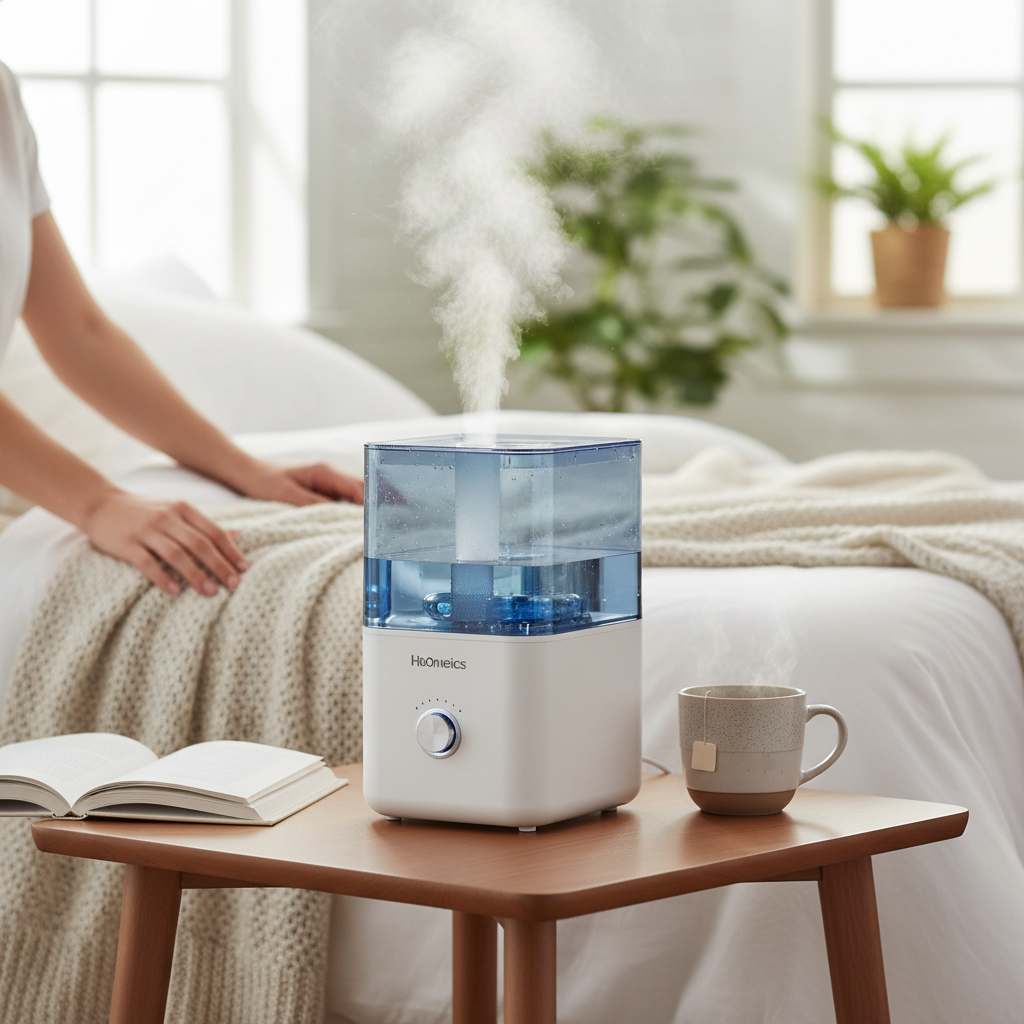
Few sounds are as distressing to parents as a child’s persistent cough or the distinctive “barking” sound of croup. When your little one struggles to breathe comfortably, finding effective relief becomes a top priority. Humidifiers, by adding moisture to the air, can be a comforting ally in easing respiratory irritation and making breathing easier. This comprehensive guide, informed by years of experience with humidification technology, will help you navigate the options, prioritize safety, and select the best humidifier to bring soothing relief to your home.
What is a Humidifier? Why You Need One for Croup and Coughs
|
Our Picks for the Best Humidifier in 2026
As an Amazon Associate I earn from qualifying purchases.
|
||
| Num | Product | Action |
|---|---|---|
| 1 | Dreo Smart Humidifiers for Bedroom, Top Fill 4L Supersized Humidifier Large Room with 28 dB, 36H Runtime, Touch/APP/Voice Control, Nightlight, Cool Mist Humidifiers for Baby, Plants, Indoor, Black |

|
| 2 | LEVOIT - Humidifiers for Bedroom - Quiet (3L Water Tank) - Cool Mist/Top Fill/Essential Oil Diffuser/25Watt - Home/Large Room - 360° Nozzle - Rapid Ultrasonic Humidification for Baby Nursery/Plant |
|
| 3 | BOXING 3L Cool Mist Humidifiers, Ultra Quiet 20dB for Bedroom, Baby & Office, Top Fill Air Humidifier for Large Room Home & Indoor Plants, 30H Runtime, Essential Oil Tray, Night Light, BPA-Free, White |
|
| 4 | Homvana Humidifiers for Bedroom Home, 3.6 L Cool Mist Top-Fill 34H Super Long Time, Quiet 23dB, Baby Humidifier, Oil Diffuser for Large Room, House, Plant, Nursery, Office, BPA FREE, Ultrasonic (Grey) |
|
| 5 | LEVOIT Humidifiers for Bedroom Large Room Home, (6L) Cool Mist Top Fill Essential Oil Diffuser for Baby & Plants, Smart App & Voice Control, Rapid Humidification & Auto Mode - Quiet Sleep Mode, Gray |
|
| 6 | Dreo Humidifiers for Bedroom, 4L Top Fill for Large Room, 36H Runtime, 28 dB Quiet Supersized Cool Mist Air Humidifier for Baby Nursery, Plants, Indoor, Night Light, Easy to Clean & Fill, White |
|
| 7 | Humidifiers for Bedroom Large Room with 7L/1.85Gal Large Humidifier, Smart App & Remote Control, 4 Mist Levels Large Room Humidifiers for Home Midnight |
|
| 8 | BREEZOME 6L Humidifiers for Bedroom Large Room & Essential Oil Diffuser, Ultrasonic Top Fill Cool Mist Humidifiers for Baby, Plants, Nursery Last up to 60 Hours, Smart Humidistat Control, Quiet, Black |
|
| 9 | MegaWise Topfill 7-colour Night light humidifier for Kid bedroom with 3.5L Large Capacity, No leakage Design Fine Mist Output Auto Shutoff, Essential Oil Safe Tank |
|
| 10 | LEVOIT Top Fill Humidifiers for Bedroom, 2.5L Tank for Large Room, Easy to Fill & Clean, 28dB Quiet Cool Mist Air Humidifier for Home Baby Nursery & Plants, Auto Shut-off for Safety, 25H |
|
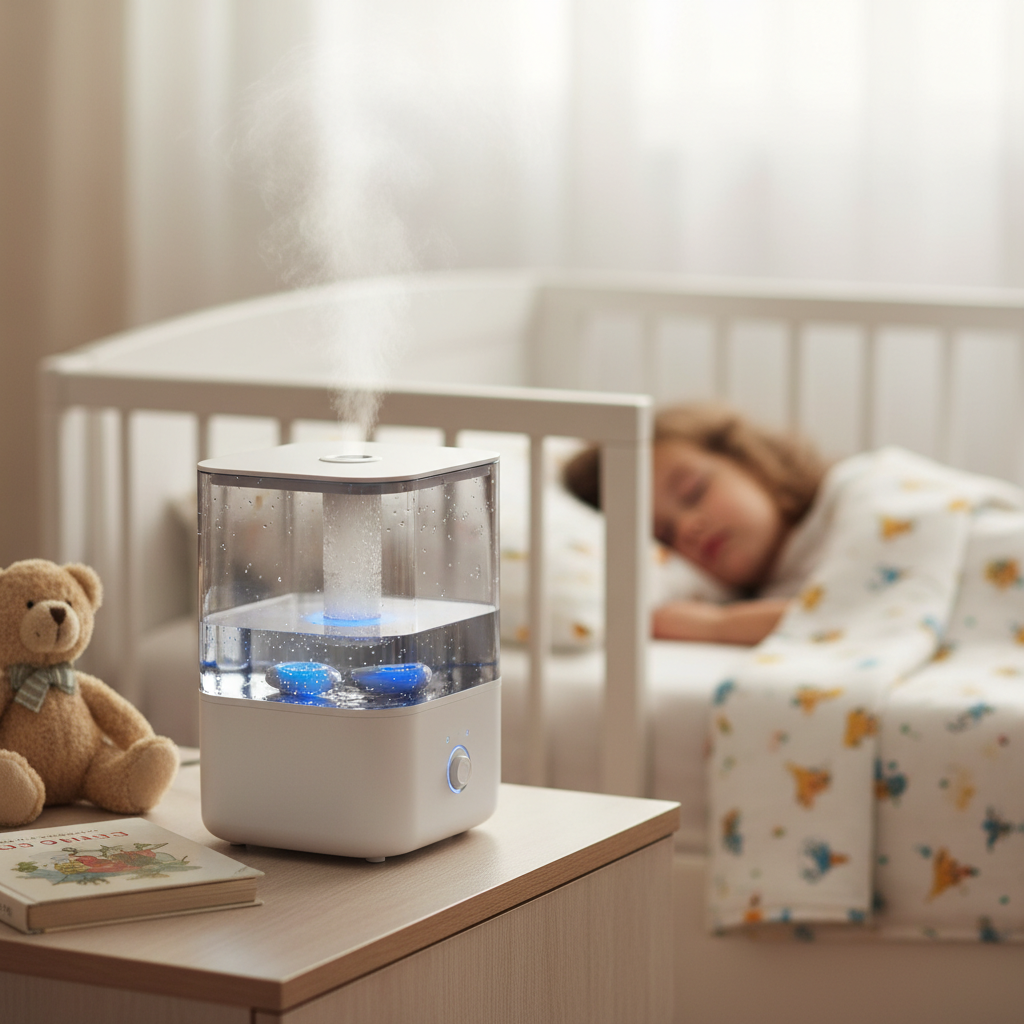
A humidifier is an appliance that introduces water vapor or mist into the air, increasing the humidity level in a room. When the air is dry, especially during colder months or in air-conditioned environments, it can irritate delicate mucous membranes in the nose and throat, making coughs and conditions like croup feel worse. By adding moisture, a humidifier helps to create a more comfortable breathing environment.
The benefits of using a humidifier for respiratory issues are significant. Increased humidity can help to soothe inflamed airways, reducing the severity of dry, scratchy coughs. It can also thin mucus, making it easier for children to clear their nasal passages and chests, which is particularly helpful for congestion associated with colds or croup. While a humidifier provides symptomatic relief, it’s important to remember it’s not a cure but a supportive tool to improve comfort during illness.
Cool Mist vs. Warm Mist: The Crucial Safety Choice
When it comes to humidifiers, especially for children, the distinction between cool mist and warm mist is paramount, primarily for safety reasons.
Warm Mist Humidifiers (Vaporizers): These units boil water to create steam, releasing warm, moist air into the room. While the warmth might feel comforting to some adults and can help break up mucus, they pose a significant burn risk. Hot water or steam can cause serious scalds if the unit is knocked over or touched by a curious child. The American Academy of Pediatrics (AAP) unequivocally recommends against their use in homes with children due to this hazard.
Cool Mist Humidifiers: These devices disperse room-temperature mist into the air. They are widely recommended by pediatricians for children’s rooms because they eliminate any burn risk. Cool mist helps to soothe inflamed airways and can effectively alleviate respiratory and sinus discomfort without the danger of hot water or steam.
For instances of severe coughing spasms, briefly exposing a child to warm mist from a steamy bathroom for 10-20 minutes can be helpful. However, for continuous use in a child’s bedroom, a cool-mist humidifier is the only safe choice.
“For young children, safety is always the top priority. That’s why cool-mist humidifiers are the only recommended type for a child’s room – eliminating any risk of burns from hot water or steam.” – Reviewook.com Admin, Humidifier Expert
Types of Cool Mist Humidifiers: Pros and Cons
Cool mist humidifiers come in two primary types, each with its own mechanism and characteristics:
Evaporative Humidifiers:
These humidifiers work by drawing water from a reservoir through a wicking filter. A fan then blows air over the moistened filter, causing the water to evaporate naturally into the air.
- Pros: They are self-regulating, meaning they won’t over-humidify a room. They tend to produce less “white dust” because minerals are trapped in the filter. They are generally energy-efficient.
- Cons: Require regular filter replacement, which is an ongoing cost and maintenance task. The fan can produce a noticeable humming sound.
Ultrasonic Humidifiers:
Ultrasonic humidifiers use a high-frequency vibration to break water into a fine, cool mist that is then silently dispersed into the air.
- Pros: Exceptionally quiet operation, making them ideal for bedrooms. Many models are filter-free, reducing recurring costs. They produce a visible mist, which some users prefer.
- Cons: Without proper maintenance and water, they can produce “white dust” (fine mineral particles from tap water) that settles on furniture and can be inhaled. Meticulous cleaning is crucial to prevent the dispersal of mold and bacteria.
Comparison Table: Cool Mist Humidifiers for Respiratory Relief
| Feature | Evaporative Humidifiers | Ultrasonic Humidifiers |
|---|---|---|
| Mist Type | Cool, invisible | Cool, visible |
| Noise Level | Moderate (fan noise) | Very quiet |
| Filters | Required (wicking filter) | Often filter-free |
| White Dust | Minimal, as minerals trapped in filter | Common with tap water; use distilled |
| Maintenance | Filter replacement, regular cleaning | Frequent cleaning, distilled water |
| Energy Use | Generally low | Very low |
| Best For | Larger rooms, natural humidification | Bedrooms, light sleepers, immediate mist |
Choosing the Right Humidifier: Key Factors to Consider
Selecting the ideal humidifier involves more than just picking a type. Consider these factors to ensure it meets your child’s needs and fits your lifestyle:
- Room Size & Coverage: Humidifiers are rated for specific room sizes (e.g., small, medium, large rooms, or square footage). Choose a model appropriate for the area where your child sleeps to ensure effective humidification. An undersized unit won’t provide enough moisture, while an oversized one can lead to excessive humidity and potential mold growth.
- Tank Capacity & Run Time: A larger tank means longer operation between refills. For overnight relief, look for models with a capacity that allows for at least 8-10 hours of continuous use without needing a refill.
- Noise Level: For a child’s bedroom, a quiet humidifier is paramount to avoid disturbing sleep. Ultrasonic models are generally the quietest.
- Ease of Cleaning & Maintenance: This is critical for health. Look for models with wide tank openings, easily accessible parts, and simple designs to facilitate thorough daily cleaning. Mold and bacteria thrive in stagnant water, and a dirty humidifier can disperse these contaminants into the air.
- Safety Features: Automatic shut-off when the water tank is empty is a valuable feature, preventing the motor from burning out. Ensure there are no sharp edges or easily removable small parts if the humidifier is within a child’s reach.
- Built-in Humidistat (Automatic Humidity Control): A humidistat allows the device to automatically maintain a set humidity level (ideally between 30% and 50%). This prevents over-humidification, which can encourage dust mites and mold growth, and ensures optimal comfort.
- Filter vs. Filter-Free: As discussed, filter models (evaporative) require replacements but often mitigate white dust. Filter-free ultrasonic models save on filter costs but demand strict adherence to distilled water use and cleaning.
Top Humidifiers for Croup and Coughs
While specific models evolve, certain brands consistently offer reliable and child-safe cool mist humidifiers that are excellent for managing croup and coughs:
- Honeywell Cool Mist Humidifiers: Known for their durability and efficiency, especially evaporative models like the Honeywell HCM-350. These are often praised for their consistent moisture output in larger rooms and can be a good choice if you prefer evaporative technology.
- Vicks Cool Mist Ultrasonic Humidifiers: Vicks is a trusted name in cold and cough relief. Their cool mist ultrasonic humidifiers are popular for their user-friendly design, quiet operation, and often include features like night lights that can be comforting for children. They provide effective moisture to soothe respiratory discomfort.
- Levoit Ultrasonic Humidifiers: Levoit offers a range of ultrasonic humidifiers, many with smart features and quiet operation. Models like the Levoit Classic 200 or OasisMist series are often highlighted for their consistent performance, elegant design, and ease of use, making them a great option for bedrooms.
- Frida Baby 3-in-1 Humidifier with Diffuser and Nightlight: Designed specifically with babies in mind, this unit often combines a cool mist humidifier with a diffuser (though caution is advised with essential oils for children) and a nightlight, creating a soothing environment.
- Crane Drop Ultrasonic Cool Mist Humidifiers: Crane is known for its distinctive, often colorful designs and reliable cool mist output. Their “Drop” series is a popular choice for children’s rooms, offering good tank capacity and quiet operation.
When selecting, prioritize models that are easy to clean, have a decent run time, and operate quietly. Always read recent reviews for specific model performance and longevity.
Essential Usage and Maintenance for Optimal Health
Using a humidifier correctly and maintaining it meticulously are just as important as choosing the right model, especially when used for children’s respiratory health. Improper use can turn a beneficial device into a health hazard.
- Use Distilled Water: For ultrasonic humidifiers, always use distilled water. Tap water contains minerals that, when aerosolized by ultrasonic vibrations, create a fine “white dust” that can irritate lungs and settle on surfaces. Even for evaporative models, distilled or filtered water is preferable to reduce mineral buildup on filters and within the unit.
- Clean Frequently: Bacteria, mold, and fungi thrive in stagnant water. Clean your humidifier thoroughly every day or at least every few days, especially if used continuously. Empty the tank daily and rinse it. For a deeper clean, use a mixture of white vinegar and water (usually 1:1 ratio) to scrub the reservoir and base, removing any mineral buildup or sliminess. Rinse thoroughly before refilling.
- Proper Placement: Position the humidifier about three feet away from your child’s bed or crib. Ensure it’s on a flat, stable, water-resistant surface and out of reach of children and pets. Do not place it directly against walls or furniture, as this can lead to moisture damage.
- Monitor Humidity Levels: Aim for an indoor humidity level between 30% and 50%. Many humidifiers come with a built-in humidistat to help you achieve this. Over-humidification can promote mold growth, dust mites, and bacteria, which can worsen respiratory issues.
- Avoid Additives: Never add essential oils, medicated vapors, or any other substances directly into the humidifier’s water tank, especially for children. These can be dispersed into the air, irritating airways, causing allergic reactions, or posing a poison risk if ingested. If a model has a separate essential oil tray/diffuser, use extreme caution and consult a pediatrician before using any oils around children.
- Store Properly: When not in use, especially for extended periods, empty the humidifier completely, clean it thoroughly, and allow all parts to dry fully before storing it to prevent mold and bacterial growth.
Frequently Asked Questions About Humidifiers for Croup and Coughs
Are warm mist humidifiers safe for croup and coughs in children?
No, warm mist humidifiers are not recommended for children due to the significant risk of burns from hot water or steam. Always opt for a cool-mist humidifier in a child’s room.
How often should I clean my child’s humidifier?
You should clean your humidifier daily by rinsing the tank and refilling with fresh water. A thorough cleaning with a vinegar solution to remove mineral buildup and disinfect should be performed every two to three days.
What type of water should I use in my humidifier for a child’s room?
For ultrasonic humidifiers, always use distilled water to prevent the dispersal of “white dust” (minerals) into the air. For evaporative humidifiers, distilled or filtered water is recommended to minimize mineral buildup and extend filter life.
Can I put essential oils or Vicks VapoRub in my child’s humidifier?
No, it is strongly advised against adding essential oils or medicated vapors to a humidifier used for children. These substances can irritate a child’s sensitive airways, trigger allergic reactions, or pose a poisoning risk.
How long should I run the humidifier for croup or coughs?
Run the humidifier as needed to maintain optimal humidity levels (30-50%). It can be run overnight, but always monitor the room’s humidity to avoid over-humidification and ensure the unit is clean.
Conclusion
Navigating the discomfort of croup and coughs in children can be challenging, but a well-chosen and properly maintained cool-mist humidifier can offer significant relief. By prioritizing safety with a cool-mist model, committing to diligent cleaning with distilled water, and selecting a unit appropriate for your space, you can create a soothing, moisture-rich environment that helps your child breathe easier. Don’t underestimate the power of consistent humidity to make those tough nights a little more comfortable. What features will you prioritize when choosing the best humidifier for your family’s needs?