The quest for a clean and germ-free home often leads us to a myriad of cleaning products, each promising unmatched efficacy. Amidst the strong fumes and harsh chemicals, one unassuming bottle stands out for its versatility and gentler nature: hydrogen peroxide. This common household staple offers a powerful yet environmentally friendly way to sanitize countless surfaces, providing peace of mind without the potent drawbacks of some traditional disinfectants. But how exactly do you unlock its full sanitizing potential? This comprehensive guide will walk you through everything you need to know about using hydrogen peroxide effectively and safely to maintain a truly clean living space.
What is Hydrogen Peroxide and Why Sanitize with It?
|
Our Picks for the Best Humidifier in 2026
As an Amazon Associate I earn from qualifying purchases.
|
||
| Num | Product | Action |
|---|---|---|
| 1 | BREEZOME 6L Humidifiers for Bedroom Large Room & Essential Oil Diffuser, Ultrasonic Top Fill Cool Mist Humidifiers for Baby, Plants, Nursery Last up to 60 Hours, Smart Humidistat Control, Quiet, Black |

|
| 2 | LEVOIT - Humidifiers for Bedroom - Quiet (3L Water Tank) - Cool Mist/Top Fill/Essential Oil Diffuser/25Watt - Home/Large Room - 360° Nozzle - Rapid Ultrasonic Humidification for Baby Nursery/Plant |
|
| 3 | Homvana Humidifiers for Bedroom Home, 3.6 L Cool Mist Top-Fill 34H Super Long Time, Quiet 23dB, Baby Humidifier, Oil Diffuser for Large Room, House, Plant, Nursery, Office, BPA FREE, Ultrasonic (Grey) |
|
| 4 | Dreo Humidifiers for Bedroom, 4L Top Fill for Large Room, 36H Runtime, 28 dB Quiet Supersized Cool Mist Air Humidifier for Baby Nursery, Plants, Indoor, Night Light, Easy to Clean & Fill, White |
|
| 5 | Humidifiers for Bedroom Large Room with 7L/1.85Gal Large Humidifier, Smart App & Remote Control, 4 Mist Levels Large Room Humidifiers for Home Midnight |
|
| 6 | BOXING 3L Cool Mist Humidifiers, Ultra Quiet 20dB for Bedroom, Baby & Office, Top Fill Air Humidifier for Large Room Home & Indoor Plants, 30H Runtime, Essential Oil Tray, Night Light, BPA-Free, White |
|
| 7 | LEVOIT Humidifiers for Bedroom Large Room Home, (6L) Cool Mist Top Fill Essential Oil Diffuser for Baby & Plants, Smart App & Voice Control, Rapid Humidification & Auto Mode - Quiet Sleep Mode, Gray |
|
| 8 | LEVOIT Top Fill Humidifiers for Bedroom, 2.5L Tank for Large Room, Easy to Fill & Clean, 28dB Quiet Cool Mist Air Humidifier for Home Baby Nursery & Plants, Auto Shut-off for Safety, 25H |
|
| 9 | MegaWise Topfill 7-colour Night light humidifier for Kid bedroom with 3.5L Large Capacity, No leakage Design Fine Mist Output Auto Shutoff, Essential Oil Safe Tank |
|
| 10 | Dreo Smart Humidifiers for Bedroom, Top Fill 4L Supersized Humidifier Large Room with 28 dB, 36H Runtime, Touch/APP/Voice Control, Nightlight, Cool Mist Humidifiers for Baby, Plants, Indoor, Black |
|
Hydrogen peroxide (H2O2) is a simple chemical compound that has earned its place in medicine cabinets and cleaning arsenals alike. It’s essentially water with an extra oxygen atom, and it’s this extra oxygen that gives it its remarkable cleaning and sanitizing power. When hydrogen peroxide comes into contact with organic matter like bacteria, viruses, or fungi, it releases oxygen bubbles through a process called oxidation. This action physically lifts dirt and debris while also breaking down the cellular structure of microorganisms, effectively killing them.
Sanitizing with hydrogen peroxide offers several compelling advantages. Unlike many strong chemical disinfectants, hydrogen peroxide breaks down into harmless water and oxygen, making it an eco-friendlier choice with minimal residue. It produces a less harsh odor, which is a significant benefit for individuals sensitive to strong fumes or for use in poorly ventilated areas. Moreover, its oxidizing action is effective against a broad spectrum of pathogens, including various bacteria, viruses, yeasts, and mold, making it a powerful ally in maintaining a healthy environment.
Understanding Hydrogen Peroxide Concentrations
When choosing hydrogen peroxide for sanitizing, concentration is key. Most commonly, you’ll find hydrogen peroxide available in a 3% solution at your local pharmacy or grocery store. This household-grade concentration is ideal and safe for general disinfection tasks around the home.
While higher concentrations like 6% or even industrial-grade 10% or 35% solutions exist, these are typically meant for specialized applications and industrial settings. Using hydrogen peroxide at concentrations higher than 3% in a household environment is generally not recommended without expert guidance and proper safety equipment, as they can be significantly more irritating to skin and eyes and may damage surfaces. For the vast majority of your home sanitizing needs, the standard 3% solution is not only effective but also the safest choice and typically does not require further dilution for general disinfection. However, for certain applications, like washing produce, dilution might be recommended to prevent discoloration or damage.
Where Can You Sanitize with Hydrogen Peroxide? Surfaces & Applications
The versatility of hydrogen peroxide makes it suitable for sanitizing a wide array of surfaces and tackling various household challenges. Its gentle yet effective nature allows you to keep many areas of your home hygienically clean.
In the kitchen, hydrogen peroxide shines. Use it on countertops, cutting boards (especially after preparing raw meat), sinks, refrigerator interiors, and even garbage cans to eliminate odors and kill bacteria. For food-contact surfaces, a quick rinse after the recommended contact time is advisable.
The bathroom is another prime candidate for hydrogen peroxide’s sanitizing prowess. It effectively cleans and disinfects toilets, bathtubs, showers, and sinks. It is particularly adept at tackling mold and mildew, making it an excellent alternative to bleach for these persistent issues. Apply it to grout lines for a brighter, cleaner appearance.
Beyond these high-traffic areas, hydrogen peroxide can sanitize frequently touched household items such as doorknobs, light switches, computer keyboards, and children’s toys. Its non-toxic breakdown makes it a safer option for toy cleaning compared to harsher chemicals.
Furthermore, hydrogen peroxide has specific applications beyond general surface sanitizing:
- Laundry Brightener: Add a cup of 3% hydrogen peroxide to your washing machine to brighten white or off-white fabrics and remove stains. Always test on an inconspicuous area first, as it can have a bleaching effect.
- Beauty Tool Cleaner: Soak combs, brushes, and other beauty tools in a 3% solution for several minutes to sanitize them, then rinse thoroughly.
- Produce Wash: To help remove dirt, pesticides, and germs from fruits and vegetables, add 1/4 cup of 3% hydrogen peroxide to a large bowl or sink full of water. Soak produce for 20-30 minutes, then rinse well under running water.
While hydrogen peroxide is a fantastic cleaning agent, it’s crucial to remember it’s primarily for surfaces. Avoid using it directly on skin for wound cleaning or acne treatment, as it can cause irritation and hinder healing. Similarly, consult your dentist before using it for teeth whitening, as it can increase tooth sensitivity.
Step-by-Step Guide: How to Effectively Sanitize with Hydrogen Peroxide
Achieving optimal sanitization with hydrogen peroxide is simple when you follow a few straightforward steps. Consistency and proper application are key to harnessing its full germ-killing power.
- Pre-Clean the Surface: Before applying hydrogen peroxide, always clean the surface with soap and water to remove any visible dirt, grease, or grime. Hydrogen peroxide works best on clean surfaces, as organic matter can reduce its effectiveness.
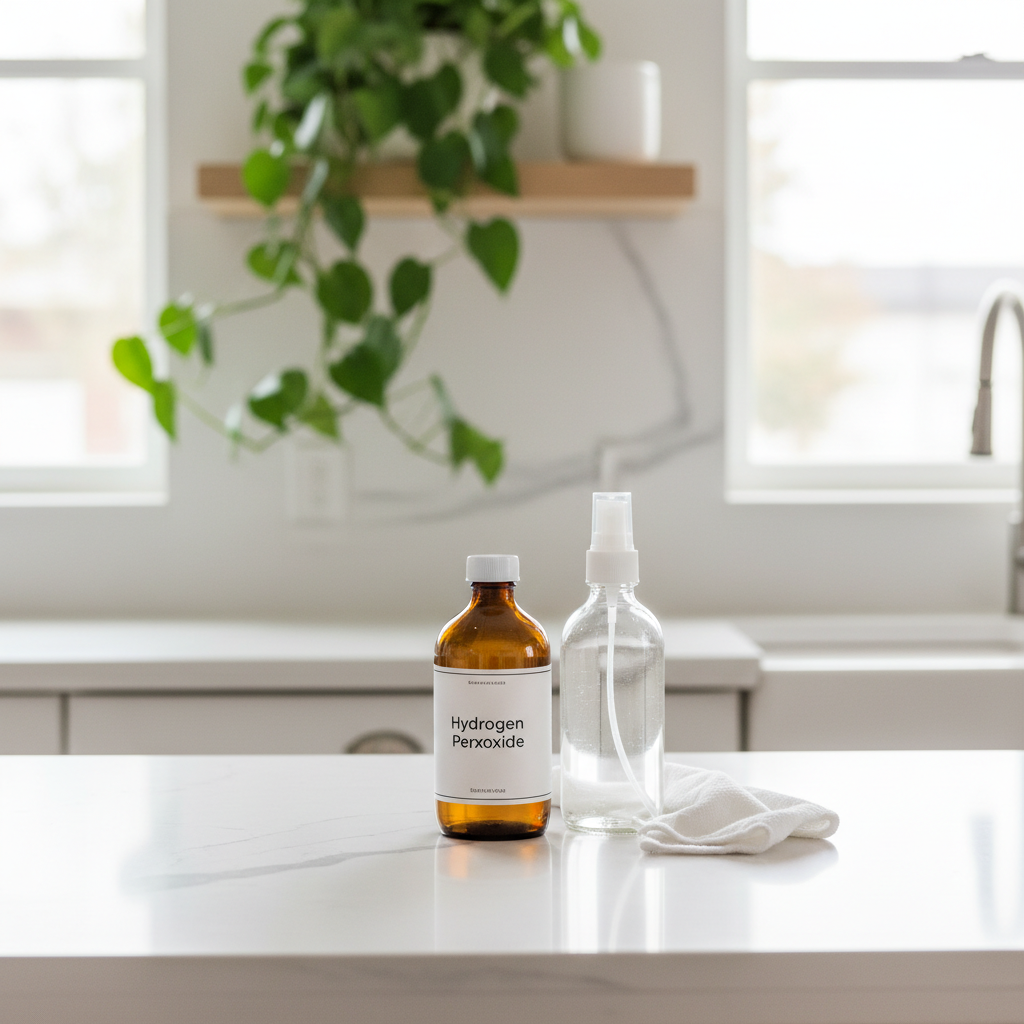
- Apply the Hydrogen Peroxide: Pour 3% hydrogen peroxide into a clean spray bottle. Spray the solution generously onto the surface you wish to sanitize, ensuring it is thoroughly wetted. Alternatively, you can apply it with a clean cloth or sponge, saturating the area.
- Allow Sufficient Contact Time: This is a crucial step for effective sanitization. For general disinfection, allow the hydrogen peroxide to sit on the surface for at least 10 minutes. For heavily contaminated areas or persistent issues like mold and mildew, a contact time of 30 minutes or more may be beneficial. For food-contact surfaces, allow it to sit for approximately 5 minutes before rinsing.
- Wipe or Rinse (When Necessary): For most non-food contact surfaces, you can simply let the hydrogen peroxide air dry. It will break down into water and oxygen, leaving no harmful residue. However, if you are sanitizing food-contact surfaces (like cutting boards or countertops), rinse them thoroughly with clean water after the contact time. For heavily cleaned or bleached areas, a rinse can also prevent potential damage over time.
Safety First: Essential Precautions When Using Hydrogen Peroxide
While hydrogen peroxide is generally considered a safer alternative to many harsh chemicals, it’s still an active compound that requires careful handling. Adhering to safety precautions ensures both your well-being and the integrity of your belongings.
Always store hydrogen peroxide in its original, opaque container, in a cool, dark place, away from direct sunlight and heat. Exposure to light and warmth can cause it to degrade and lose its effectiveness more quickly. Keep it out of reach of children and pets, as ingestion can be harmful.
When using hydrogen peroxide, ensure the area is well-ventilated to avoid inhaling any fumes, though they are much milder than those from bleach. Wearing gloves is advisable, especially if you have sensitive skin, to prevent potential irritation. Protective eyewear can also guard against accidental splashes.
Before applying hydrogen peroxide to an entire surface, particularly on colored fabrics, painted walls, or delicate materials, always perform a patch test in an inconspicuous area. Hydrogen peroxide is a natural bleaching agent and can cause discoloration or damage if not tested first. If you notice that your hydrogen peroxide no longer fizzes or bubbles when it comes into contact with organic matter, it has likely expired and should be replaced. Dispose of small amounts by pouring them down the drain with plenty of water.
It is also important to avoid mixing hydrogen peroxide with other cleaning chemicals. While generally less reactive than bleach, combining cleaners can create unpredictable and potentially harmful reactions. Stick to using it alone for sanitizing tasks.
Hydrogen Peroxide vs. Bleach: Choosing Your Sanitizing Ally
When it comes to sanitizing, both hydrogen peroxide and bleach are formidable tools, yet they possess distinct characteristics that make them suitable for different scenarios. Understanding their differences helps you choose the right ally for the job.
| Feature | Hydrogen Peroxide (3%) | Bleach (Sodium Hypochlorite) |
|---|---|---|
| Effectiveness | Effective against bacteria, viruses, fungi, mold. | Superior killing power, faster action against a broad spectrum of pathogens. |
| Safety | Generally safer, breaks down into water & oxygen. Less irritating fumes. | More corrosive, strong fumes requiring good ventilation. Never mix with ammonia/acids. |
| Environmental Impact | Eco-friendly breakdown, minimal residue. | Produces chlorinated byproducts, harsher on the environment. |
| Odor | Mild, often odorless. | Strong, distinctive chemical odor. |
| Suitable Surfaces | Versatile, better for porous surfaces (e.g., grout), delicate materials (with patch test). | Best for non-porous surfaces. Can discolor or corrode certain materials. |
| Speed of Action | Requires longer contact time (5-10+ minutes). | Faster action (often 5 minutes or less). |
| Primary Use Case | Routine cleaning, environmentally conscious cleaning, mold removal, areas with children/pets. | Heavy-duty disinfection, serious contamination, whitening. |
Hydrogen peroxide is often the preferred choice for routine sanitizing in homes, especially where children or pets are present, due to its safer breakdown products and less offensive odor. It’s excellent for daily kitchen and bathroom upkeep and for refreshing items like cutting boards and toys. When you need a powerful disinfectant that acts quickly against severe contamination, such as after a significant spill or illness, bleach might be the go-to. However, its use demands careful handling, proper ventilation, and awareness of its corrosive nature. Both require surfaces to be pre-cleaned for maximum efficacy and sufficient contact time to ensure germs are effectively killed.
Common Mistakes to Avoid
Even with a seemingly simple product like hydrogen peroxide, certain missteps can reduce its effectiveness or even lead to unintended consequences. Being aware of these common mistakes can ensure you get the most out of your sanitizing efforts.
One frequent error is skipping the pre-cleaning step. Hydrogen peroxide struggles to penetrate through layers of dirt and grime to reach the microorganisms underneath. Always remove visible debris with soap and water first for optimal results. Another mistake is not allowing sufficient contact time. While hydrogen peroxide starts working immediately, it needs time to fully kill germs. Wiping it away too quickly means you’re only cleaning, not effectively sanitizing. Stick to the recommended 5-10 minutes, or longer for tougher jobs.
Using incorrect concentrations is another pitfall. While higher concentrations are potent, they are often unsafe for household use and can damage surfaces. Conversely, trying to dilute 3% household hydrogen peroxide further for general disinfection may weaken its germ-killing power too much. Mixing hydrogen peroxide with other cleaners is also a significant mistake, as it can create hazardous chemical reactions or simply render both products ineffective. Always use hydrogen peroxide on its own.
Finally, ignoring the expiration or degradation of hydrogen peroxide can lead to ineffective sanitizing. If your bottle of hydrogen peroxide no longer bubbles when exposed to organic matter, it has lost its potency. Always store it correctly and replace it periodically to ensure its efficacy.
Conclusion
Hydrogen peroxide stands as a remarkable, versatile, and environmentally conscious choice for sanitizing your home. Its ability to break down into simple water and oxygen, combined with its effectiveness against a wide spectrum of germs, makes it a powerful yet gentle alternative to more aggressive cleaning agents. By understanding its concentrations, appropriate applications, and adhering to simple safety guidelines and proper usage techniques, you can confidently integrate this bubbling solution into your cleaning routine.
From sparkling kitchen counters to germ-free bathroom surfaces and even fresh produce, hydrogen peroxide offers a holistic approach to maintaining a healthy and hygienic living environment. Ready to embrace a cleaner, safer home with this household hero? What new surfaces will you discover to sanitize with hydrogen peroxide?
Frequently Asked Questions
What surfaces should I avoid using hydrogen peroxide on?
Avoid using hydrogen peroxide on delicate surfaces like certain natural stone (marble, granite), unsealed wood, or colored fabrics without first performing a patch test. Its bleaching properties can cause discoloration or etching.
Does hydrogen peroxide kill mold?
Yes, 3% hydrogen peroxide is effective at killing mold and mildew on various surfaces. Spray it directly onto the mold, let it sit for at least 10-30 minutes, then scrub and wipe clean.
How long does hydrogen peroxide take to disinfect?
For general disinfection of household surfaces, 3% hydrogen peroxide typically requires a contact time of at least 5 to 10 minutes to effectively kill bacteria and viruses.
Can I mix hydrogen peroxide with vinegar for cleaning?
While some sources suggest this, it’s generally best to avoid mixing hydrogen peroxide and vinegar directly. They can react to form peracetic acid, which can be irritating, especially in higher concentrations. It’s safer to use them separately.
Is hydrogen peroxide safe to use around pets and children?
When used properly and allowed to break down, 3% hydrogen peroxide is generally considered safer than many harsh chemicals for surfaces that children and pets may contact. However, always keep the product stored out of their reach and ensure proper ventilation during use.
Does hydrogen peroxide expire?
Yes, hydrogen peroxide does expire and loses its potency over time, especially when exposed to light and heat. If it no longer fizzes or bubbles upon contact with organic matter, it’s a sign that it has largely degraded and should be replaced.