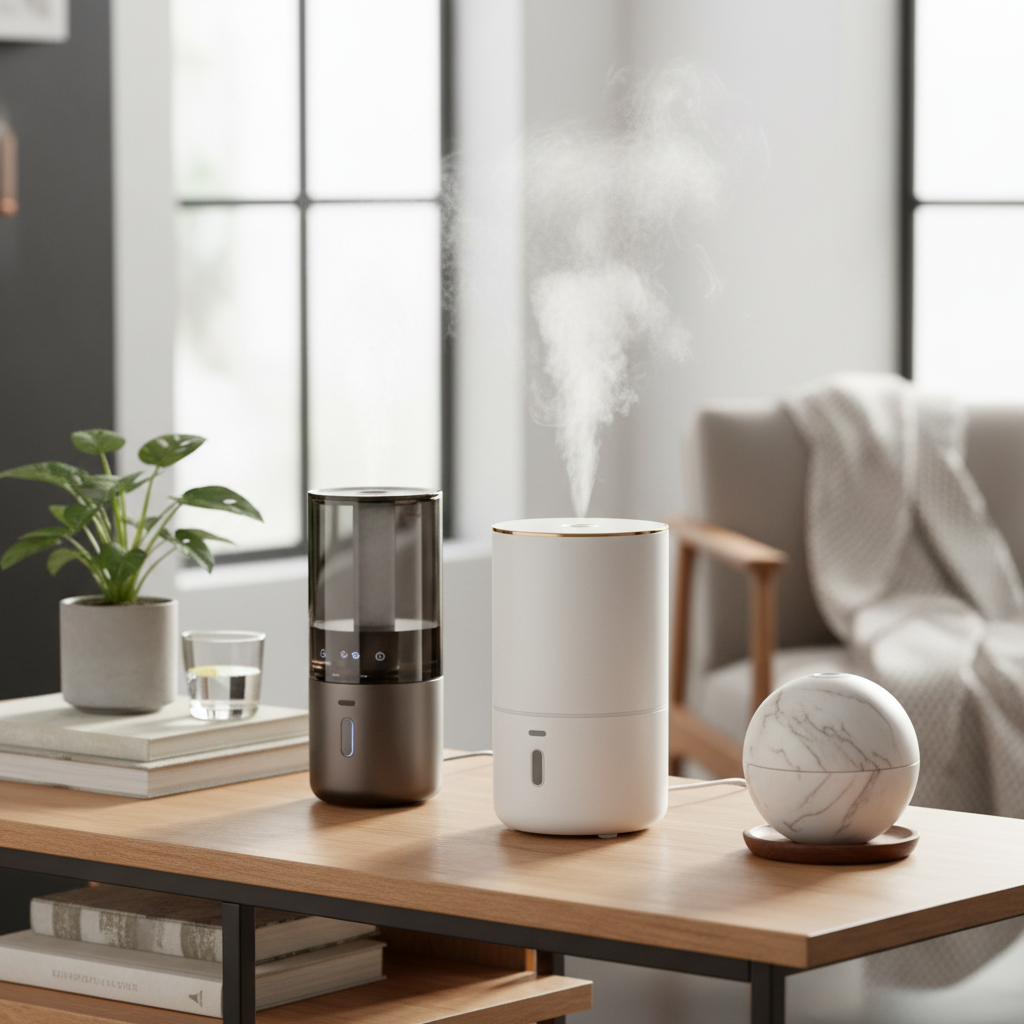
A well-functioning humidifier is a silent hero in any home, diligently adding essential moisture to the air for improved comfort, health, and even the longevity of your furnishings. But what happens when your trusty humidifier stops producing that vital mist, leaving you with dry air and confusion? This common issue can be frustrating, especially when you rely on your unit for relief from dry skin, irritated sinuses, or static electricity. Fear not, for a humidifier not misting effectively often has a straightforward explanation and an equally simple solution. This comprehensive guide, informed by over a decade of hands-on experience with various humidifier types, will delve into the most common causes and provide practical, expert-backed solutions to get your unit back to its optimal misting performance.
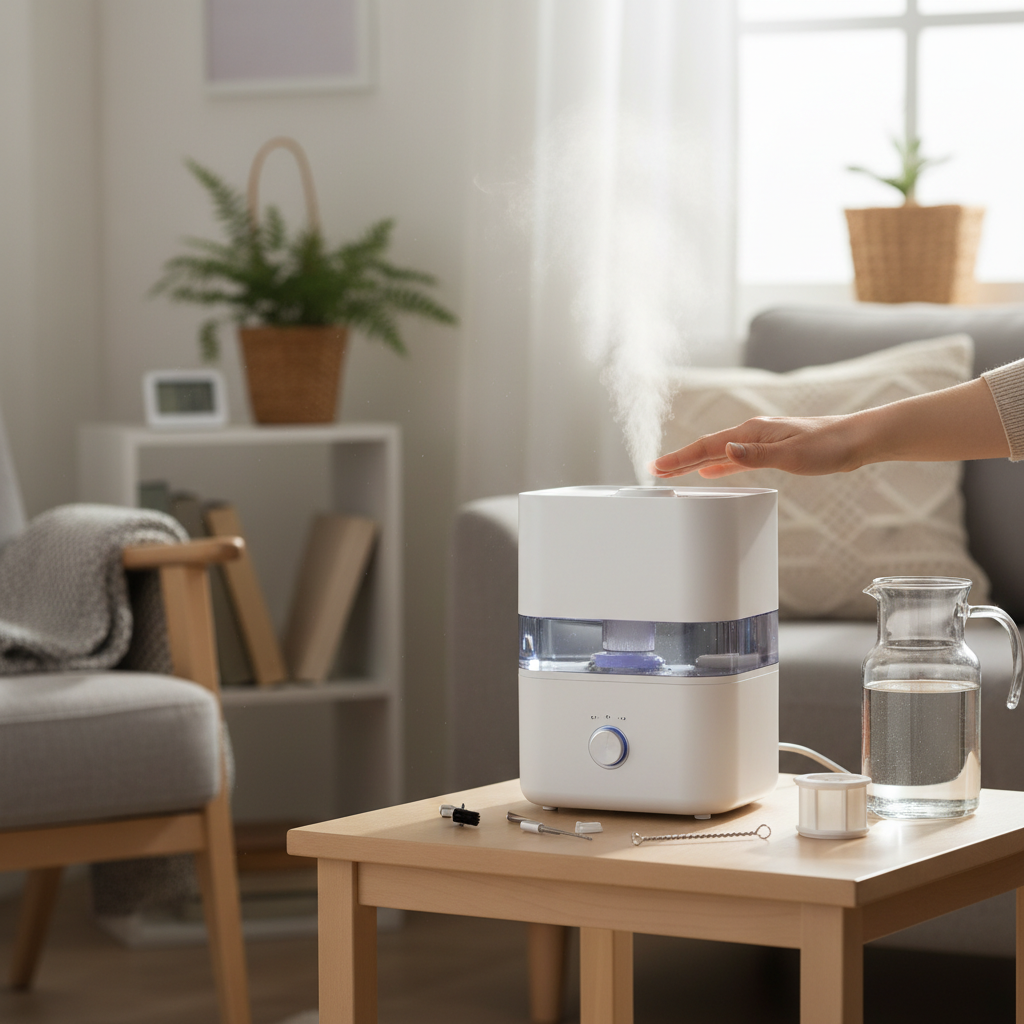
Understanding How Humidifiers Produce Mist
Before diving into fixes, it’s helpful to understand the basic mechanics behind mist production, as the cause of a malfunction often relates directly to its operational principle.
- Ultrasonic Humidifiers: These popular models use a small metal diaphragm, known as an ultrasonic transducer, that vibrates at an extremely high frequency. This vibration creates tiny water droplets that are then expelled into the air as a fine, cool mist.
- Evaporative Humidifiers: Unlike ultrasonic units, evaporative humidifiers utilize a fan to draw dry air through a moist wick filter. As air passes over the saturated wick, water naturally evaporates into the air, releasing invisible moisture rather than a visible mist.
- Warm Mist Humidifiers (Steam Vaporizers): These units heat water to boiling, producing steam that is then cooled slightly before being released as a warm, visible mist. The heating element is central to their operation.
Each type relies on specific components to achieve humidification, and understanding these differences is key to effective troubleshooting when your humidifier fails to mist.
Common Reasons Your Humidifier Isn’t Misting (And How to Fix Them)
When your humidifier ceases to produce mist, it’s usually a clear sign that one or more parts of its misting mechanism are encountering an obstacle. Here are the most common culprits and their solutions:
1. Insufficient Water or Improper Tank Placement
This might seem obvious, but it’s often the first and most overlooked reason. Humidifiers require a sufficient water supply to generate mist.
- Problem: The water tank is empty, the water level is too low for the sensor to detect, or the tank is not seated correctly on the base. Many humidifiers feature safety sensors that prevent operation if the tank isn’t perfectly aligned, to avoid spills or damage.
- Fixes: First, ensure the water tank is completely full. Double-check that the tank is firmly and correctly seated onto the humidifier base, listening for any clicks or ensuring indicator lights turn green. If your unit has a float mechanism, confirm it moves freely.
|
Our Picks for the Best Humidifier in 2026
As an Amazon Associate I earn from qualifying purchases.
|
||
| Num | Product | Action |
|---|---|---|
| 1 | LEVOIT - Humidifiers for Bedroom - Quiet (3L Water Tank) - Cool Mist/Top Fill/Essential Oil Diffuser/25Watt - Home/Large Room - 360° Nozzle - Rapid Ultrasonic Humidification for Baby Nursery/Plant |

|
| 2 | MegaWise Topfill 7-colour Night light humidifier for Kid bedroom with 3.5L Large Capacity, No leakage Design Fine Mist Output Auto Shutoff, Essential Oil Safe Tank |
|
| 3 | Dreo Smart Humidifiers for Bedroom, Top Fill 4L Supersized Humidifier Large Room with 28 dB, 36H Runtime, Touch/APP/Voice Control, Nightlight, Cool Mist Humidifiers for Baby, Plants, Indoor, Black |
|
| 4 | Homvana Humidifiers for Bedroom Home, 3.6 L Cool Mist Top-Fill 34H Super Long Time, Quiet 23dB, Baby Humidifier, Oil Diffuser for Large Room, House, Plant, Nursery, Office, BPA FREE, Ultrasonic (Grey) |
|
| 5 | Dreo Humidifiers for Bedroom, 4L Top Fill for Large Room, 36H Runtime, 28 dB Quiet Supersized Cool Mist Air Humidifier for Baby Nursery, Plants, Indoor, Night Light, Easy to Clean & Fill, White |
|
| 6 | Humidifiers for Bedroom Large Room with 7L/1.85Gal Large Humidifier, Smart App & Remote Control, 4 Mist Levels Large Room Humidifiers for Home Midnight |
|
| 7 | LEVOIT Humidifiers for Bedroom Large Room Home, (6L) Cool Mist Top Fill Essential Oil Diffuser for Baby & Plants, Smart App & Voice Control, Rapid Humidification & Auto Mode - Quiet Sleep Mode, Gray |
|
| 8 | LEVOIT Top Fill Humidifiers for Bedroom, 2.5L Tank for Large Room, Easy to Fill & Clean, 28dB Quiet Cool Mist Air Humidifier for Home Baby Nursery & Plants, Auto Shut-off for Safety, 25H |
|
| 9 | BREEZOME 6L Humidifiers for Bedroom Large Room & Essential Oil Diffuser, Ultrasonic Top Fill Cool Mist Humidifiers for Baby, Plants, Nursery Last up to 60 Hours, Smart Humidistat Control, Quiet, Black |
|
| 10 | BOXING 3L Cool Mist Humidifiers, Ultra Quiet 20dB for Bedroom, Baby & Office, Top Fill Air Humidifier for Large Room Home & Indoor Plants, 30H Runtime, Essential Oil Tray, Night Light, BPA-Free, White |
|
2. Mineral Buildup (The White Dust Culprit)
Hard water, rich in minerals like calcium and magnesium, is a humidifier’s arch-nemesis, especially for ultrasonic models.
- Problem: Over time, these minerals accumulate on critical components such as the ultrasonic transducer (the vibrating disc), the heating element in warm mist humidifiers, or the wick filter in evaporative units. This mineral scale prevents the transducer from vibrating effectively, inhibits water heating, or blocks water absorption by the wick, leading to little to no mist output.
- Fixes: Regular and thorough cleaning is paramount. Unplug the unit and empty any remaining water. Fill the base with a 1:1 mixture of white vinegar and water, allowing it to soak for at least 30 minutes, or longer for heavy buildup. Use a soft brush or cloth (often provided with the humidifier) to gently scrub away deposits from the transducer, heating element, or any hard-to-reach areas. Rinse all components thoroughly with clean water before reassembling. To prevent future buildup, consider using distilled or demineralized water instead of tap water.
“Many common humidifier problems, especially those related to mist production, can be avoided with consistent cleaning and the use of distilled water. It’s a small effort that yields significant long-term benefits for your unit’s performance and your indoor air quality.” – Reviewook.com Admin, Humidifier Specialist with 10+ Years Experience.
3. Clogged Filter, Wick, or Evaporator Pad
Filters and wicks are designed to capture impurities, but they can become oversaturated or clogged themselves.
- Problem: In evaporative and some warm mist models, the wick filter or evaporator pad absorbs water to release moisture. If these components are old, dirty, or completely caked with mineral deposits, they cannot absorb water efficiently, thus preventing moisture evaporation or mist production. For ultrasonic units, internal air filters can become dusty, restricting airflow.
- Fixes: Inspect your filter or wick. If it’s discolored, hard, or visibly clogged, it likely needs cleaning or replacement. Filters should typically be replaced every 1-3 months, depending on usage and water hardness, or as recommended by the manufacturer. Some wicks can be cleaned with a vinegar solution, but heavily scaled ones are best replaced. Ensure air vents and outlets are clear of dust and debris.
4. Incorrect Humidity Settings or Faulty Humidistat
Your humidifier might be working perfectly, but its internal intelligence is telling it to take a break.
- Problem: Most humidifiers come with a built-in humidistat that measures the ambient humidity. If the room’s humidity level has already reached or exceeded your set target, the unit will automatically stop misting to prevent over-humidification. Alternatively, a faulty or uncalibrated humidistat might be giving inaccurate readings.
- Fixes: Check your humidifier’s current humidity setting. Try adjusting it to a higher percentage or, if available, switch the unit to continuous mode to test if it then produces mist. If you suspect your humidistat is inaccurate, compare its reading with a separate, reliable hygrometer. If there’s a significant discrepancy and the unit is still under warranty, contact customer service.
5. Damaged Ultrasonic Transducer/Diaphragm
This applies specifically to ultrasonic humidifiers and often requires a more involved solution.
- Problem: If the small vibrating disc (transducer) in an ultrasonic humidifier is cracked, severely corroded, or otherwise damaged, it will be unable to generate the high-frequency vibrations needed to create mist. You might hear the fan, but see no mist.
- Fixes: First, ensure the transducer is clean from all mineral buildup. Some units allow for DIY replacement of the ceramic disc, but for many, a damaged transducer requires professional repair or replacement of the entire unit. As a test, try adding a small amount of water directly into the mist chamber and turning on the unit; if it still doesn’t mist, the atomizer might be at fault.
6. Fan Malfunctions (Evaporative and Cool Mist Models)
In models that use a fan, its failure can halt mist production.
- Problem: In evaporative humidifiers, the fan draws air over the wet wick to facilitate evaporation. If the fan isn’t working or is spinning too slowly, insufficient air movement will result in no visible moisture output. A fan might fail due to dust accumulation, motor issues, or a broken impeller.
- Fixes: Check for any visible obstructions around the fan blades. Ensure the unit has adequate power. If the fan motor is faulty, it may require professional repair or replacement, as these are typically internal components.
7. Blocked Mist Outlet or Vapor Nozzle
Sometimes, the simplest obstructions can prevent mist from escaping.
- Problem: The mist output nozzle or any vapor outlets can become clogged with mineral deposits, dust, or even small debris, physically blocking the mist from being released into the room.
- Fixes: Power off and unplug the humidifier. Carefully inspect the mist outlet and any associated channels. Use a small brush (like an old toothbrush or bottle brush) or a cotton swab dampened with vinegar to clean out any blockages. Ensure the path for the mist is completely clear.
8. Power Supply Issues
Even if your humidifier appears to have power, underlying electrical issues can prevent misting.
- Problem: The unit might be plugged in, and some indicator lights might be on, but a component like the heating element or ultrasonic transducer might not be receiving sufficient power. This could be due to a loose connection, a tripped internal fuse, or even a faulty power outlet. Some humidifiers have safety shut-offs for low water or tilt that can interrupt power to misting components.
- Fixes: Ensure the power cord is fully inserted into a working wall outlet. Try plugging another appliance into the same outlet to confirm it’s functional. Inspect the power cord for any visible damage. Some specialized mist makers might have a reset button or an accessible fuse on the power supply; consult your manual. If the issue persists, the internal circuitry might have a fault, requiring professional service.
Troubleshooting Flowchart / Quick Reference Table for Misting Issues
| Problem Category | Potential Causes | Initial Checks & Fixes |
|---|---|---|
| Water Supply | Empty tank, low water, improper tank seating, float issue | Refill tank, reseat correctly, check float |
| Buildup/Clogging | Mineral deposits on transducer/heater, clogged filter/wick, blocked mist outlet | Clean with vinegar solution, replace filters/wicks, clear outlets |
| Settings/Sensors | Incorrect humidity setting, faulty humidistat | Adjust settings, test continuous mode, compare with hygrometer |
| Component Failure | Damaged ultrasonic plate, faulty fan, water pump malfunction | Clean thoroughly, if still no mist, consider professional repair/replacement |
| Power/Electrical | Loose plug, faulty outlet, tripped fuse, internal wiring issue | Check connections, try different outlet, inspect cord, consult manual |
Preventative Maintenance for Consistent Misting
Maintaining your humidifier properly is the best way to prevent misting problems and extend its lifespan. Consistent care will ensure you breathe easier without unexpected interruptions.
- Regular Cleaning Schedule: Clean your humidifier at least once a week, especially the water tank, base, and mist-producing components. Use a vinegar and water solution to tackle mineral deposits, and disinfect periodically with a diluted bleach solution (following manufacturer instructions) to prevent mold and bacteria growth.
- Use Distilled Water: As highlighted earlier, using distilled or demineralized water is a game-changer for reducing mineral buildup, particularly in ultrasonic humidifiers, and eliminating the dreaded “white dust.”
- Replace Filters Promptly: If your humidifier uses filters, wicks, or evaporator pads, adhere strictly to the manufacturer’s replacement schedule. These components are consumables and their efficiency degrades over time.
- Proper Storage: When storing your humidifier for the off-season, ensure it is thoroughly cleaned, dried, and stored in a cool, dry place. This prevents mold and mildew from developing and components from seizing.
- Follow Manufacturer Guidelines: Always refer to your humidifier’s user manual for specific cleaning instructions, maintenance tips, and troubleshooting steps unique to your model.
By integrating these preventative measures into your routine, you can significantly reduce the likelihood of your humidifier ever failing to mist.
Conclusion
A humidifier that isn’t misting can disrupt your home’s comfort and air quality. However, as an experienced humidifier technician, I can assure you that most issues, from simple low water levels to stubborn mineral buildup and even certain component malfunctions, are often rectifiable with methodical troubleshooting and consistent maintenance. By understanding how your specific humidifier type works and systematically addressing potential problems, you can diagnose and fix many common misting issues yourself. Remember, proactive cleaning, using appropriate water, and replacing worn parts are your best defenses against a non-misting humidifier. Take the time to care for your unit, and it will continue to provide the healthy, balanced humidity your home needs. What’s your go-to tip for keeping your humidifier misting perfectly?
Frequently Asked Questions About Humidifier Misting
Q: Why is my humidifier blowing air but no mist?
A: This often indicates an issue with water delivery or conversion to mist, such as an empty tank, clogged filter/wick, or a malfunctioning ultrasonic plate. The fan may be working, but the mechanism to create and release water vapor is impeded.
Q: Can I use tap water in my humidifier to avoid no mist issues?
A: While convenient, tap water is a primary cause of mineral buildup on internal components, which directly leads to reduced or absent mist output. Distilled or demineralized water is highly recommended to prevent these problems and prolong your humidifier’s efficiency.
Q: How often should I clean my humidifier to prevent misting problems?
A: For optimal performance and to prevent mineral buildup and bacterial growth, clean your humidifier every 1-3 days if used daily, or at least once a week. A thorough monthly sanitization is also crucial, always following manufacturer instructions.
Q: My ultrasonic humidifier makes noise but no mist. What’s wrong?
A: If you hear the unit running (fan noise, hum) but see no mist, the ultrasonic transducer might be obstructed by mineral buildup or could be damaged. Try cleaning it carefully with a vinegar solution first; if the issue persists, the transducer may need replacement.
Q: Why does my warm mist humidifier produce less mist than before?
A: Reduced mist from a warm mist humidifier often points to mineral buildup on the heating element. This scale prevents efficient water heating, reducing steam production. Regular descaling with vinegar is essential to restore proper function.