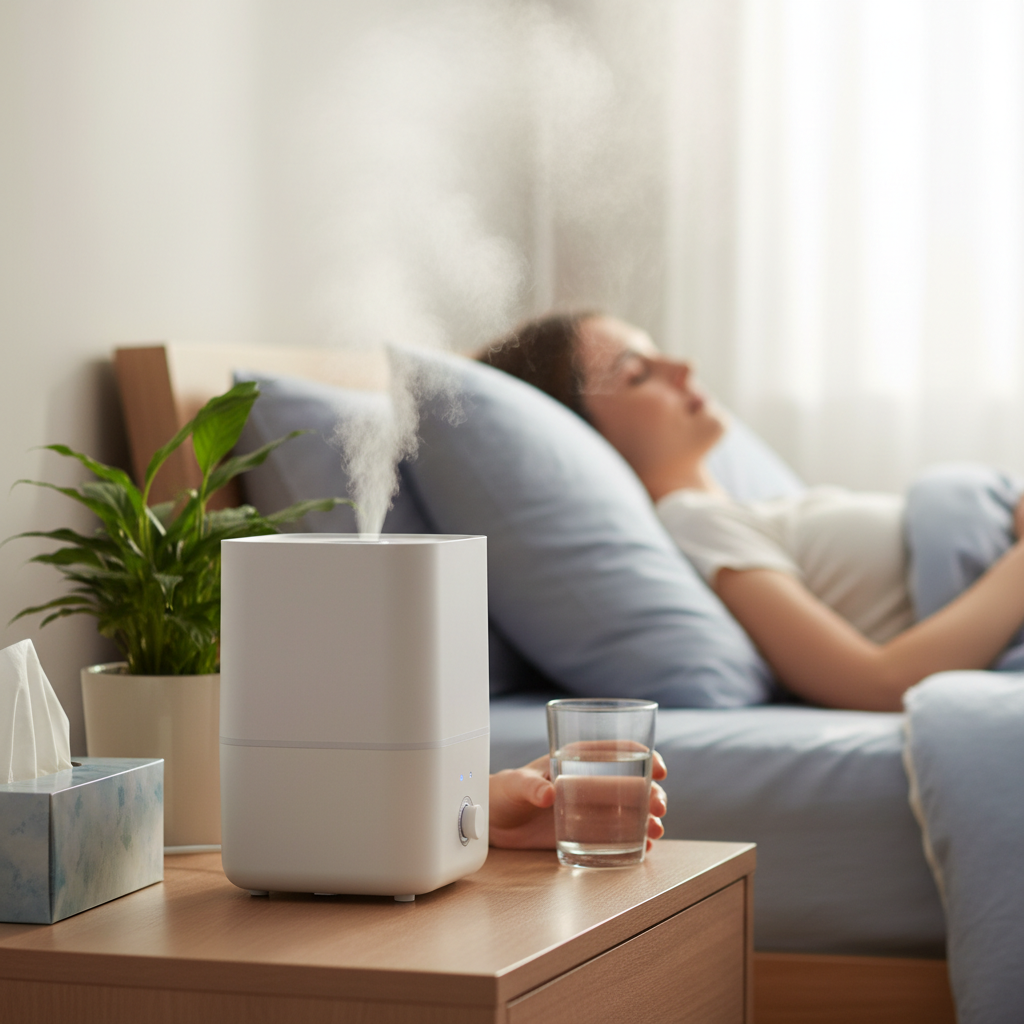
Are you looking to improve your indoor air quality, relieve seasonal discomforts, or simply enhance your living space with pleasant aromas? With so many devices promising a breath of fresh air, it’s easy to confuse humidifiers and diffusers. Both release a fine mist into your environment, creating a soothing ambiance, but their fundamental purposes, mechanisms, and benefits are distinctly different. Understanding these key distinctions is crucial for making an informed choice that truly meets your home wellness goals. Let’s clear the air and explore what sets these two popular devices apart.
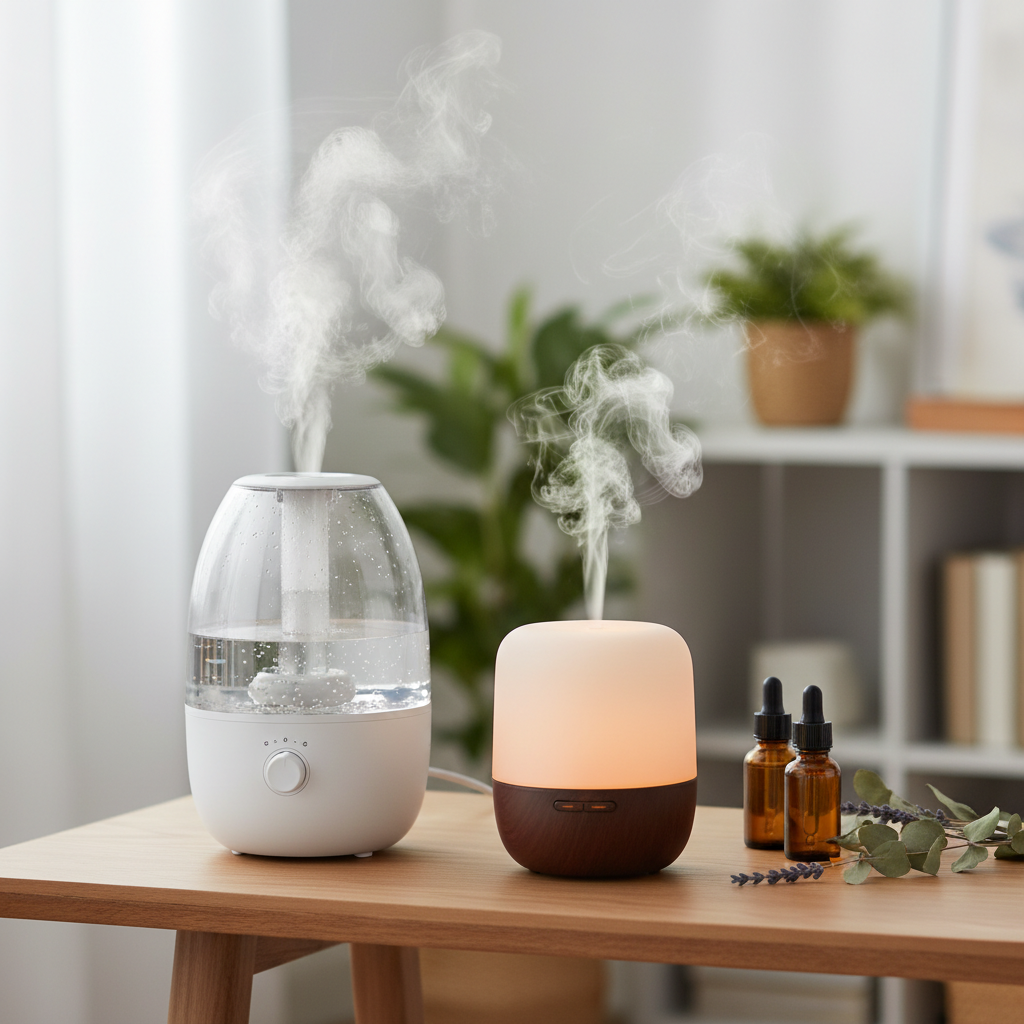
Understanding the Basics: What Are Humidifiers and Diffusers?
Though often mistaken for one another, humidifiers and diffusers serve unique functions tailored to different aspects of your home environment and personal well-being. Knowing their core definitions is the first step in deciding which device is right for you.
What is a Humidifier?
|
Our Picks for the Best Humidifier in 2026
As an Amazon Associate I earn from qualifying purchases.
|
||
| Num | Product | Action |
|---|---|---|
| 1 | BOXING 3L Cool Mist Humidifiers, Ultra Quiet 20dB for Bedroom, Baby & Office, Top Fill Air Humidifier for Large Room Home & Indoor Plants, 30H Runtime, Essential Oil Tray, Night Light, BPA-Free, White |

|
| 2 | Dreo Humidifiers for Bedroom, 4L Top Fill for Large Room, 36H Runtime, 28 dB Quiet Supersized Cool Mist Air Humidifier for Baby Nursery, Plants, Indoor, Night Light, Easy to Clean & Fill, White |
|
| 3 | Homvana Humidifiers for Bedroom Home, 3.6 L Cool Mist Top-Fill 34H Super Long Time, Quiet 23dB, Baby Humidifier, Oil Diffuser for Large Room, House, Plant, Nursery, Office, BPA FREE, Ultrasonic (Grey) |
|
| 4 | Dreo Smart Humidifiers for Bedroom, Top Fill 4L Supersized Humidifier Large Room with 28 dB, 36H Runtime, Touch/APP/Voice Control, Nightlight, Cool Mist Humidifiers for Baby, Plants, Indoor, Black |
|
| 5 | LEVOIT - Humidifiers for Bedroom - Quiet (3L Water Tank) - Cool Mist/Top Fill/Essential Oil Diffuser/25Watt - Home/Large Room - 360° Nozzle - Rapid Ultrasonic Humidification for Baby Nursery/Plant |
|
| 6 | LEVOIT Humidifiers for Bedroom Large Room Home, (6L) Cool Mist Top Fill Essential Oil Diffuser for Baby & Plants, Smart App & Voice Control, Rapid Humidification & Auto Mode - Quiet Sleep Mode, Gray |
|
| 7 | Humidifiers for Bedroom Large Room with 7L/1.85Gal Large Humidifier, Smart App & Remote Control, 4 Mist Levels Large Room Humidifiers for Home Midnight |
|
| 8 | LEVOIT Top Fill Humidifiers for Bedroom, 2.5L Tank for Large Room, Easy to Fill & Clean, 28dB Quiet Cool Mist Air Humidifier for Home Baby Nursery & Plants, Auto Shut-off for Safety, 25H |
|
| 9 | BREEZOME 6L Humidifiers for Bedroom Large Room & Essential Oil Diffuser, Ultrasonic Top Fill Cool Mist Humidifiers for Baby, Plants, Nursery Last up to 60 Hours, Smart Humidistat Control, Quiet, Black |
|
| 10 | MegaWise Topfill 7-colour Night light humidifier for Kid bedroom with 3.5L Large Capacity, No leakage Design Fine Mist Output Auto Shutoff, Essential Oil Safe Tank |
|
A humidifier is an appliance designed to increase the moisture level in the air. It works by converting water from a reservoir into a fine mist or steam, dispersing it into your room to raise the relative humidity. This process counteracts the effects of dry air, which is common during colder months or in arid climates, and helps maintain an optimal indoor humidity range, typically between 30% and 50%.
Humidifiers are primarily focused on creating a healthier and more comfortable physical environment by addressing issues directly related to insufficient moisture in the air. Their impact is physical, affecting your body and the structural elements of your home.
What is a Diffuser?
An essential oil diffuser is a device specifically engineered to disperse essential oils into the air. While many types of diffusers use water as a medium to create a fine, scented mist, their main objective is not to significantly alter the room’s humidity. Instead, diffusers release microscopic particles of essential oils, allowing you to inhale their aromatic compounds and experience their therapeutic benefits through aromatherapy.
Diffusers are all about engaging your sense of smell to influence your mood, promote relaxation, enhance focus, or introduce natural fragrances into your space. Their effect is largely sensory and psychological, aimed at creating a specific atmosphere.
The Core Differences: Moisture vs. Aroma
The most significant distinction between humidifiers and diffusers lies in their primary function and the substance they introduce into the air. While a humidifier adds measurable moisture, a diffuser’s main output is concentrated essential oil.
Primary Function: Humidification vs. Aromatherapy
The core purpose of a humidifier is humidification—adding water vapor to raise the overall humidity level in a room. This is particularly beneficial when the air is dry, leading to various discomforts. In contrast, a diffuser’s primary role is aromatherapy, the practice of using essential oils to improve physical and psychological well-being. It’s about delivering scent and the volatile compounds of essential oils into your breathing space.
Output: Water Vapor vs. Essential Oil Particles
Humidifiers release a significant volume of water vapor or mist, which is pure water. This visible mist is meant to be absorbed into the air, directly increasing its moisture content. Diffusers, especially ultrasonic ones, also produce a mist, but it’s largely a carrier for tiny essential oil droplets. The total water output from a diffuser is negligible for affecting room humidity. Nebulizing diffusers, for example, use no water at all, dispersing only pure essential oil.
Water Capacity: Large Tanks for Moisture, Small for Scent
To effectively increase room humidity, humidifiers require large water tanks, often holding several liters, and can run for many hours. Diffusers, on the other hand, have much smaller water reservoirs, typically holding only a few hundred milliliters or less. This smaller capacity is sufficient for dispersing essential oils over several hours but is completely inadequate for making a noticeable difference in a room’s humidity level.
Effect on Air Quality: Humidity Levels vs. Scent/Therapeutic Compounds
A humidifier directly impacts the physical air quality by adjusting its moisture content, which can be measured with a hygrometer. This helps alleviate problems caused by dry air. A diffuser enhances the sensory quality of the air through fragrance and the therapeutic properties associated with specific essential oils. While some essential oils are believed to have air-purifying qualities, this is distinct from humidifying the air.
Essential Oil Compatibility: Designed Differently
Humidifiers are generally not designed for essential oils. Adding essential oils directly to a humidifier’s water tank can damage its internal components, corrode plastic parts, or void the warranty. The strong, concentrated oils can break down the plastic over time. Some modern humidifiers do come with a separate essential oil tray or diffuser pad, allowing you to enjoy aromatherapy without compromising the device’s function. Diffusers, however, are specifically built to handle and disperse essential oils safely and effectively.
Benefits and Applications: Choosing Your Wellness Ally
Both devices offer pathways to a more comfortable and pleasant home, but their distinct benefits cater to different needs. Your choice largely depends on what kind of improvement you’re seeking for your environment and health.
Benefits of Humidifiers
Humidifiers are champions in combating the detrimental effects of dry air. They are particularly valuable during winter months when indoor heating can strip moisture from the air, or in naturally dry climates.
- Health Benefits:
- Respiratory Relief: Moist air can soothe irritated nasal passages and throats, making it easier to breathe. It helps to loosen mucus, providing relief from cold, flu, sinusitis, and allergy symptoms like congestion and coughing.
- Skin and Hair Hydration: Dry air can lead to dry, itchy, flaky skin, chapped lips, and even brittle hair. A humidifier helps retain natural moisture, keeping your skin supple and comfortable.
- Reduced Nosebleeds: By keeping nasal membranes moist, humidifiers can significantly reduce the incidence of dry, irritating nosebleeds.
- Improved Sleep Quality: Breathing easier and having less irritation from dry air can lead to more restful and uninterrupted sleep.
- Home Benefits:
- Preserving Wood Furnishings: Dry air can cause wooden furniture, floors, and musical instruments to crack, warp, or become brittle. Maintaining adequate humidity helps protect these investments.
- Reduced Static Electricity: Static shocks, common in dry environments, are significantly reduced when indoor humidity levels are balanced.
Benefits of Diffusers
Diffusers excel at leveraging the power of aromatherapy to create a specific mood or address various emotional and mental states. The benefits are primarily derived from the properties of the essential oils used.
- Mental and Emotional Well-being:
- Stress Relief and Relaxation: Essential oils like lavender, chamomile, and bergamot are renowned for their calming properties, helping to reduce stress and promote a sense of tranquility.
- Mood Enhancement: Citrus oils such as lemon, orange, and grapefruit can uplift spirits, boost energy, and create a more cheerful atmosphere.
- Improved Focus and Cognitive Function: Oils like rosemary and peppermint are often diffused to enhance concentration and mental clarity, ideal for study or work environments.
- Better Sleep: While not directly aiding dry airways, calming essential oils can prepare your mind and body for sleep, contributing to a more restful night.
- Environmental Benefits:
- Natural Fragrance: Diffusers provide an all-natural alternative to synthetic air fresheners, filling your home with pleasant, plant-derived scents.
- Air Purification (from EOs): Some essential oils, such as eucalyptus and tea tree oil, possess antimicrobial properties that may help purify the air by reducing airborne pathogens.
- Odor Elimination: Instead of masking odors, certain essential oils can help neutralize unpleasant smells, leaving your space smelling fresh.
Can You Use Both?
Absolutely! Many people choose to use both a humidifier and a diffuser in their homes to enjoy a comprehensive range of benefits. For example, you might use a humidifier in your bedroom during winter to alleviate congestion and run a diffuser in your living room with uplifting essential oils to create a welcoming atmosphere. If you want the best of both worlds, it’s generally recommended to use separate devices or invest in a humidifier specifically designed with a dedicated essential oil tray to prevent damage.
Diving Deeper: Types of Humidifiers and Diffusers
Both humidifiers and diffusers come in various types, each with its own method of operation, pros, and cons. Understanding these variations can help you pinpoint the exact device for your needs.
Types of Humidifiers
Humidifiers primarily fall into two categories: cool mist and warm mist, with different technologies within those.
- Cool Mist Humidifiers: These add moisture to the air without heating the water, making them a safer choice, especially in homes with children or pets.
- Evaporative Humidifiers: These work by drawing water from a reservoir into a wick filter. A fan then blows air over the moistened wick, causing the water to evaporate naturally into the air as an invisible mist.
- Pros: Self-regulating (adds moisture until the air is saturated), generally don’t produce white dust, energy-efficient.
- Cons: Require regular filter replacement, fan can generate some noise.
- Ultrasonic Humidifiers: Utilizing a metal diaphragm vibrating at ultrasonic frequencies, these devices create a fine, cool mist from the water, which is then dispersed into the room.
- Pros: Extremely quiet operation, produce a visible fine mist, often filter-free.
- Cons: Can create “white dust” (mineral residue from hard water) which settles on surfaces; requires distilled or demineralized water to avoid this.
- Evaporative Humidifiers: These work by drawing water from a reservoir into a wick filter. A fan then blows air over the moistened wick, causing the water to evaporate naturally into the air as an invisible mist.
- Warm Mist Humidifiers (Steam Vaporizers): These boil water to produce a warm, sterile steam that is then released into the air.
- Pros: Releases germ-free moisture (boiling kills bacteria), can be soothing in cold weather, no white dust, some models allow for medicated inhalants.
- Cons: Higher energy consumption, hot water can pose a burn risk (not ideal for children/pets), requires regular cleaning to prevent mineral buildup on the heating element.
Types of Diffusers
Diffusers are categorized by how they release essential oils into the air.
- Ultrasonic Diffusers: The most common type, these function similarly to ultrasonic humidifiers but on a smaller scale. They use electronic frequencies to vibrate a small disk under water, creating a fine mist that carries essential oil particles into the air.
- Pros: Quiet, easy to use, often include ambient lighting, provide a gentle aroma.
- Cons: Require water, can dilute the essential oil’s potency slightly, need regular cleaning.
- Nebulizing Diffusers: These diffusers use an air pump to atomize essential oils into a fine, concentrated mist without the need for water or heat.
- Pros: Delivers the purest, most potent form of essential oil aroma, covers larger areas effectively, no water needed.
- Cons: Can be noisier than ultrasonic models due to the air pump, use essential oils more quickly, typically more expensive.
- Evaporative Diffusers: A fan blows air across a pad or filter that has absorbed essential oils. The air movement causes the oil to evaporate and disperse into the room.
- Pros: Simple, portable, no water needed.
- Cons: The fan can be noisy, the lightest and most volatile oil components evaporate first, potentially altering the scent profile over time.
- Heat Diffusers: These use gentle heat (from a candle, light bulb, or electric element) to warm essential oils, causing them to evaporate into the air.
- Pros: Silent operation, can be aesthetically pleasing.
- Cons: Heat can alter the chemical composition and therapeutic properties of some essential oils, slower diffusion.
- Reed Diffusers: A passive form of diffusion where porous reeds are placed into a bottle of essential oil. The oil travels up the reeds and evaporates into the air.
- Pros: No electricity, silent, continuous scent, decorative.
- Cons: Scent intensity is subtle and less controllable, oils evaporate slowly over time.
Side-by-Side Comparison: Humidifier vs. Diffuser
To help you visualize the differences, here’s a detailed comparison of humidifiers and diffusers across various criteria:
| Feature | Humidifier | Diffuser |
|---|---|---|
| Primary Purpose | Increase ambient humidity for health/comfort | Disperse essential oils for aromatherapy/fragrance |
| Output | Water vapor/mist (significant volume) | Essential oil particles (with or without water mist) |
| Water Capacity | Large (0.5 to several gallons) | Small (under 500ml, often much less) |
| Essential Oils | Generally not compatible (unless dedicated tray) | Specifically designed for essential oils |
| Room Size Impact | Affects humidity in small to whole-house areas | Primarily affects immediate area, scent disperses |
| Key Benefits | Relieves dry skin, respiratory issues, protects wood | Stress relief, mood boost, improved focus, natural scent |
| Noise Level | Can vary (ultrasonic quiet, evaporative has fan) | Can vary (ultrasonic quiet, nebulizing has pump) |
| Maintenance | Regular cleaning, filter changes (evaporative), distilled water (ultrasonic) | Regular cleaning, pure essential oils, mindful usage |
| Safety Concerns | Burn risk (warm mist), mold/bacteria if not cleaned, white dust (ultrasonic with hard water) | Essential oil sensitivity/toxicity (especially for pets/children), proper dilution |
Making the Right Choice: Factors to Consider
Deciding between a humidifier and a diffuser—or choosing to use both—comes down to your specific needs and priorities. Ask yourself these questions to guide your decision:
Your Primary Need: Humidity or Aroma?
This is the most critical question. Are you suffering from dry skin, a persistent cough, or static electricity? A humidifier is your answer. Do you want to relax, concentrate, or simply make your home smell inviting with natural scents? A diffuser is the way to go. If you want both, consider separate devices or a humidifier with an integrated essential oil tray.
Room Size
Humidifiers are categorized by the square footage they can effectively cover, from personal desk units to whole-house systems. Choose a humidifier appropriate for your room size to achieve the desired humidity levels. Diffusers, especially ultrasonic and evaporative types, are generally best for smaller to medium rooms, while nebulizing diffusers can handle larger spaces with more intensity.
Safety Concerns
Consider who will be using the device and where it will be placed. If you have children or pets, a cool mist humidifier is safer than a warm mist unit due to the absence of hot water. For diffusers, research the safety of specific essential oils for all household members, especially pets, as some oils can be toxic. Always follow dilution guidelines and use diffusers in well-ventilated areas.
Maintenance Commitment
All devices require some level of maintenance. Humidifiers need frequent cleaning to prevent mold and bacteria growth, and evaporative types need regular filter replacements. Ultrasonic humidifiers benefit from distilled water to avoid white dust. Diffusers also need cleaning, particularly if you switch essential oils, to prevent residue buildup and ensure optimal performance.
Budget and Features
Both types of devices come in a wide range of prices. Consider your budget and the features that are important to you, such as automatic shut-off, adjustable mist settings, timers, remote controls, or ambient lighting. More advanced features typically come with a higher price tag.
Water Type (for Humidifiers)
If you opt for an ultrasonic humidifier, consider your water quality. Hard water can lead to “white dust,” a fine mineral powder that settles on surfaces. Using distilled or demineralized water can prevent this issue, though it adds to the ongoing cost. Evaporative and warm mist humidifiers are less prone to white dust but still require regular cleaning of mineral deposits.
Best Practices for Use and Care
Proper use and maintenance are essential for maximizing the benefits and ensuring the longevity and safety of both your humidifier and diffuser.
For Humidifiers:
- Clean Regularly: To prevent the growth of mold and bacteria, clean your humidifier’s water tank and base every few days with soap and water, or a vinegar solution. Disinfect it weekly.
- Use the Right Water: For ultrasonic humidifiers, use distilled or demineralized water to prevent the release of “white dust” and reduce mineral buildup.
- Replace Filters: If you have an evaporative humidifier, replace the wick filter according to the manufacturer’s recommendations (usually every 1-3 months) to maintain efficiency and hygiene.
- Monitor Humidity Levels: Aim for indoor humidity between 30-50%. Too much humidity can encourage mold growth, while too little can still cause discomfort. Many humidifiers have a built-in humidistat to help you maintain optimal levels.
- Empty and Dry: Always empty any remaining water from the tank and dry components when not in use for extended periods.
For Diffusers:
- Use Pure Essential Oils: Invest in high-quality, pure essential oils from reputable brands. Avoid synthetic fragrance oils, which do not offer therapeutic benefits and can contain harmful chemicals.
- Avoid Over-Diffusing: While pleasant, continuous diffusion can sometimes be overwhelming. Follow recommended run times (e.g., 30-60 minutes on, 30-60 minutes off) to get the most benefit without overexposure.
- Clean Frequently: Essential oil residue can build up, affecting performance. Clean your diffuser every few uses with a damp cloth and a cotton swab for hard-to-reach areas. For deeper cleaning, use a vinegar solution.
- Consider Pet and Child Safety: Always research essential oil safety for pets and children. Some oils are toxic to animals (e.g., tea tree oil, citrus oils for cats) or too strong for young children. Diffuse in well-ventilated areas and keep devices out of reach.
Frequently Asked Questions
Can a diffuser add enough humidity to a room?
No, a diffuser is not designed to add significant humidity to a room. While some ultrasonic diffusers use water and produce a fine mist, the amount of water vapor released is minimal and will not measurably impact the room’s overall humidity levels. Their primary function is to disperse essential oils for aromatherapy.
Can I put essential oils directly into my humidifier?
It is generally not recommended to put essential oils directly into a humidifier’s water tank unless the device explicitly states it has an essential oil tray or aromatherapy feature. Essential oils can corrode plastic parts, damage internal components, or clog the mechanism, potentially voiding your warranty.
Which is better for a cold: a humidifier or a diffuser?
For alleviating cold symptoms like congestion, cough, and sore throat, a humidifier is typically more effective. It adds moisture to the air, which helps soothe irritated airways, loosen mucus, and make breathing easier. A diffuser with certain essential oils (like eucalyptus or peppermint) might offer some symptomatic relief through aromatherapy, but it won’t address the underlying dry air causing discomfort.
Are essential oil diffusers safe for pets and children?
The safety of essential oil diffusers for pets and children depends heavily on the specific essential oils used and the concentration. Some essential oils can be toxic to pets (especially cats and dogs) or too potent for infants and young children. Always research each oil, consult with a veterinarian or pediatrician, and use diffusers sparingly in well-ventilated areas, keeping them out of reach.
How often should I clean my humidifier/diffuser?
Humidifiers should be cleaned every 1-3 days to prevent mold and bacteria growth, with a deeper disinfection weekly. Diffusers should be cleaned after every few uses, or when switching essential oils, to prevent residue buildup and ensure optimal performance.
Conclusion
Understanding the difference between a humidifier and a diffuser is the first step toward creating a home environment that perfectly suits your needs. While both devices contribute to a more pleasant atmosphere, a humidifier is your ally against dry air, offering tangible health benefits for your skin, airways, and even your home’s furnishings. A diffuser, on the other hand, is your gateway to aromatherapy, harnessing the power of essential oils to uplift your mood, promote relaxation, or enhance focus.
Whether you choose one or embrace both, the key is to align your choice with your primary wellness goals. Do you prioritize soothing dry air discomforts, or are you seeking the sensory delight and therapeutic embrace of essential oils? What solution will bring the most harmony to your living space?