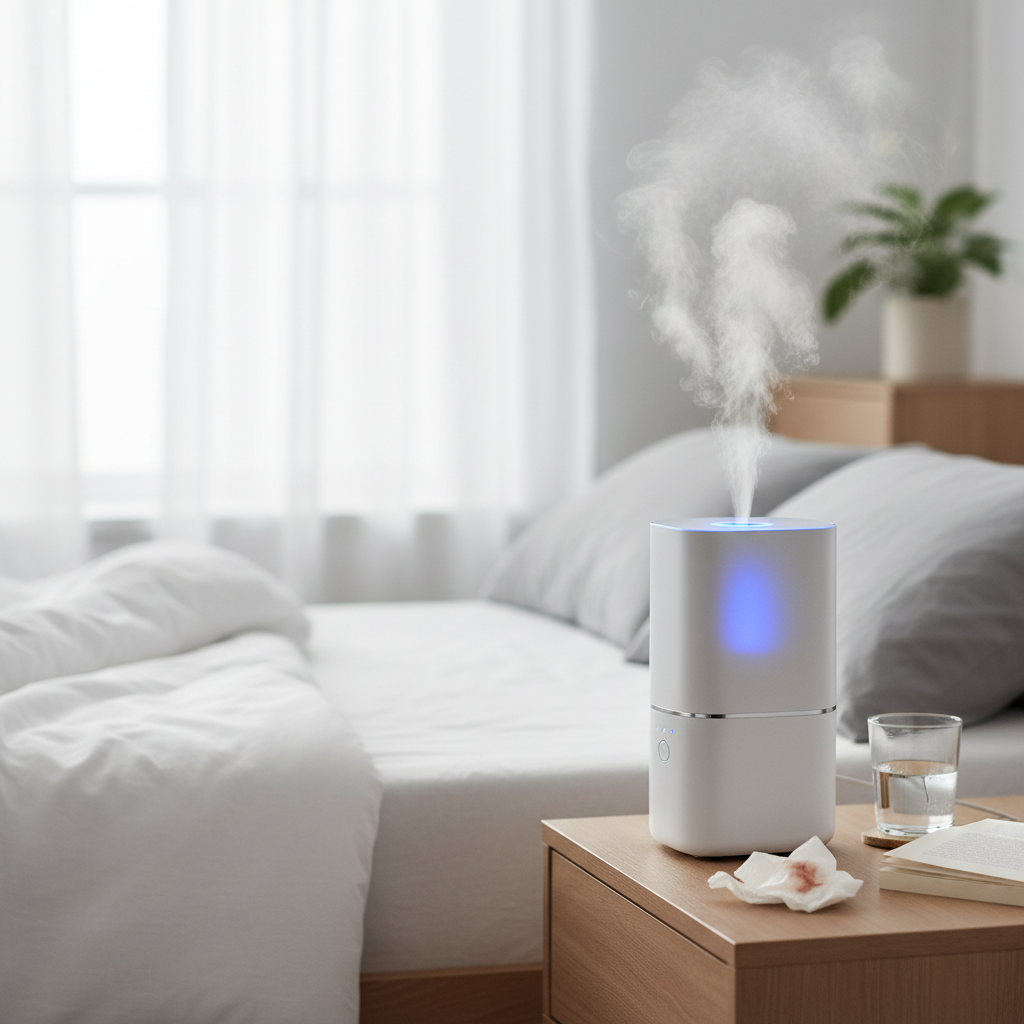
As an essential appliance for maintaining optimal indoor humidity, humidifiers play a vital role in our health and comfort. Yet, like all electronics, they eventually reach the end of their lifespan, leaving us with the question: how do we dispose of them responsibly? Simply tossing an old humidifier into the regular trash can harm our planet, as these devices contain electronic components and potentially hazardous materials. Understanding the proper methods for recycling and disposal is crucial for environmental stewardship and ensures that valuable resources are recovered while harmful substances are safely managed. This guide will walk you through the eco-friendly options available, helping you make informed decisions when it’s time to say goodbye to your old unit.
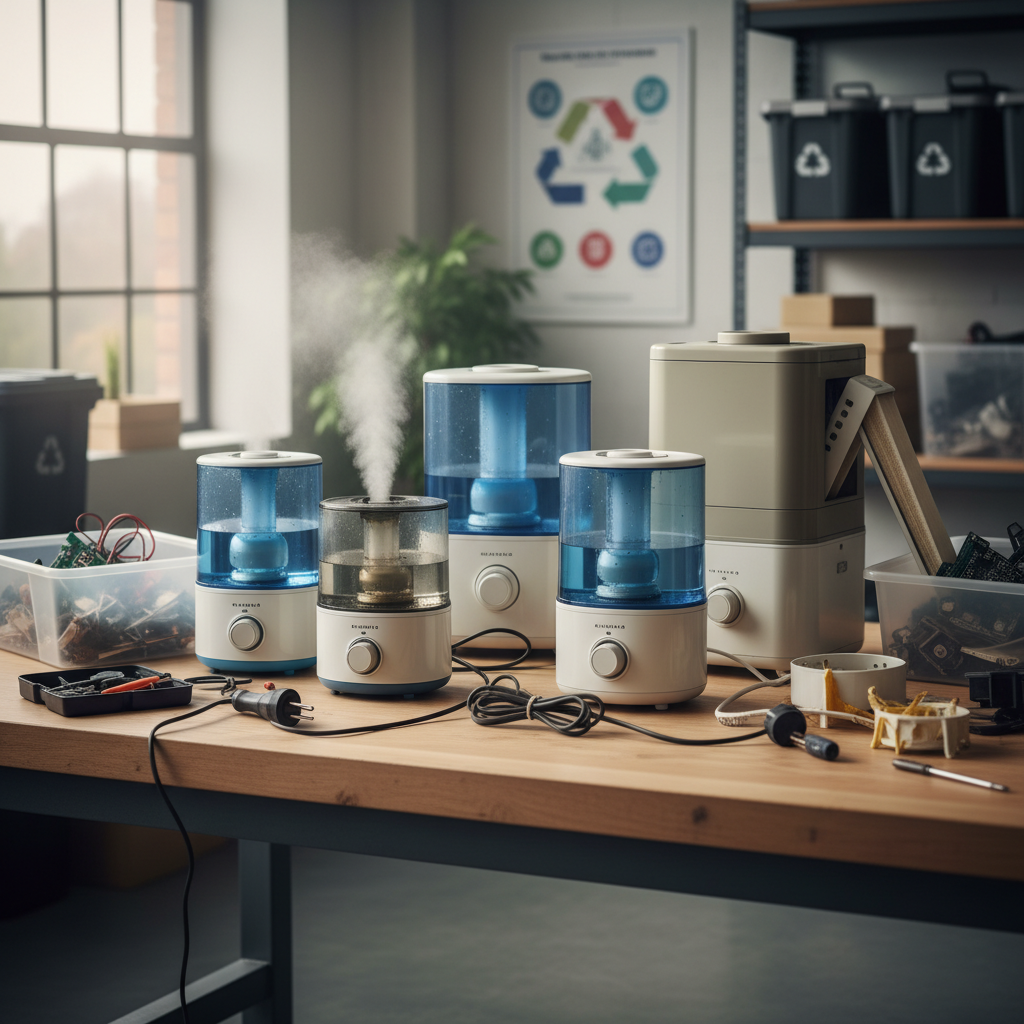
Why Responsible Humidifier Disposal Matters
Humidifiers are more than just plastic and metal; they are complex electronic devices that often contain components requiring special handling. Improper disposal, such as throwing them into general waste, contributes to electronic waste (e-waste) landfills, which can leach toxic materials into the environment. Many older humidifiers, particularly those with cooling functions, may contain refrigerants like Freon, R-22, or R-410A. These substances are potent greenhouse gases that, if released, significantly contribute to ozone depletion and climate change. Additionally, some units might contain traces of mercury or other heavy metals, which can be hazardous to human health and ecosystems. Responsible disposal ensures that these materials are either safely contained, recycled, or processed without causing environmental damage.
Before You Dispose: Essential Preparation Steps
Before you consider any disposal method, it’s essential to prepare your old humidifier properly. This not only makes the unit safer for handling but can also facilitate recycling of certain components.
- Unplug and Empty: Always start by unplugging the humidifier from its power source. Then, empty any remaining water from the tank and the base.
- Clean Thoroughly: Humidifiers can accumulate mineral deposits, mold, and bacteria. Clean all components that come into contact with water, including the tank, base, and any removable parts, using a vinegar-and-water solution or a manufacturer-recommended cleaner. Rinse thoroughly.
- Dry Completely: Allow all parts to dry completely. This crucial step prevents mold and mildew growth during storage or transport to a recycling facility.
- Disassemble (If Possible): Some humidifiers allow for easy disassembly of certain parts, such as the water tank, filters, or hoses. The water tank, for example, is often made from recyclable plastics like #2 HDPE. Separating these components can allow for individual recycling where accepted.
- Remove Filters: Replaceable filters should be removed. Check local guidelines to see if they can be recycled or if they need to be disposed of with general waste.
Your Options for Humidifier Disposal
Once your humidifier is cleaned and prepared, you have several responsible avenues for disposal, depending on its condition and your local resources.
Donation or Resale (If Functional)
If your humidifier is still in good working condition, consider extending its life by donating or reselling it. This is the most environmentally friendly option, as it avoids waste entirely.
- Charity Organizations: Contact local charities or thrift stores to see if they accept used humidifiers. It’s best to call ahead, as many may have specific criteria or not accept small appliances.
- Online Marketplaces: Platforms for selling or giving away used items can connect you with someone who needs a functional humidifier.
- Repair Shops: If your unit has a minor issue, a local appliance repair shop might be able to fix it and give it a second life.
|
Our Picks for the Best Humidifier in 2026
As an Amazon Associate I earn from qualifying purchases.
|
||
| Num | Product | Action |
|---|---|---|
| 1 | LEVOIT Top Fill Humidifiers for Bedroom, 2.5L Tank for Large Room, Easy to Fill & Clean, 28dB Quiet Cool Mist Air Humidifier for Home Baby Nursery & Plants, Auto Shut-off for Safety, 25H |

|
| 2 | Dreo Humidifiers for Bedroom, 4L Top Fill for Large Room, 36H Runtime, 28 dB Quiet Supersized Cool Mist Air Humidifier for Baby Nursery, Plants, Indoor, Night Light, Easy to Clean & Fill, White |
|
| 3 | MegaWise Topfill 7-colour Night light humidifier for Kid bedroom with 3.5L Large Capacity, No leakage Design Fine Mist Output Auto Shutoff, Essential Oil Safe Tank |
|
| 4 | LEVOIT Humidifiers for Bedroom Large Room Home, (6L) Cool Mist Top Fill Essential Oil Diffuser for Baby & Plants, Smart App & Voice Control, Rapid Humidification & Auto Mode - Quiet Sleep Mode, Gray |
|
| 5 | BOXING 3L Cool Mist Humidifiers, Ultra Quiet 20dB for Bedroom, Baby & Office, Top Fill Air Humidifier for Large Room Home & Indoor Plants, 30H Runtime, Essential Oil Tray, Night Light, BPA-Free, White |
|
| 6 | Homvana Humidifiers for Bedroom Home, 3.6 L Cool Mist Top-Fill 34H Super Long Time, Quiet 23dB, Baby Humidifier, Oil Diffuser for Large Room, House, Plant, Nursery, Office, BPA FREE, Ultrasonic (Grey) |
|
| 7 | LEVOIT - Humidifiers for Bedroom - Quiet (3L Water Tank) - Cool Mist/Top Fill/Essential Oil Diffuser/25Watt - Home/Large Room - 360° Nozzle - Rapid Ultrasonic Humidification for Baby Nursery/Plant |
|
| 8 | Humidifiers for Bedroom Large Room with 7L/1.85Gal Large Humidifier, Smart App & Remote Control, 4 Mist Levels Large Room Humidifiers for Home Midnight |
|
| 9 | Dreo Smart Humidifiers for Bedroom, Top Fill 4L Supersized Humidifier Large Room with 28 dB, 36H Runtime, Touch/APP/Voice Control, Nightlight, Cool Mist Humidifiers for Baby, Plants, Indoor, Black |
|
| 10 | BREEZOME 6L Humidifiers for Bedroom Large Room & Essential Oil Diffuser, Ultrasonic Top Fill Cool Mist Humidifiers for Baby, Plants, Nursery Last up to 60 Hours, Smart Humidistat Control, Quiet, Black |
|
E-Waste Recycling Centers
Humidifiers are classified as electronic waste (e-waste) due to their electrical components. Dedicated e-waste recycling centers are equipped to safely dismantle these devices, separate materials, and ensure proper handling of any hazardous elements.
- Local Municipal Facilities: Check with your city or county waste management department. Many municipalities have designated e-waste drop-off sites or scheduled collection events.
- Specialized E-Waste Recyclers: Search online for “e-waste recycling near me” to find private companies that specialize in electronics recycling.
Retailer Take-Back Programs
When purchasing a new humidifier, inquire if the retailer offers a take-back or recycling program for your old unit. Many large electronics and appliance retailers provide this service, sometimes even offering haul-away options or in-store drop-offs, often regardless of where the original item was purchased. These programs help streamline the recycling process by consolidating e-waste.
Specialized Junk Removal Services
If you have multiple large items or are unable to transport your humidifier to a recycling center, a professional junk removal service can be a convenient option. Choose a service that explicitly states they handle e-waste and ensure they follow environmentally responsible disposal practices. While this option usually incurs a fee, it provides a hassle-free solution.
Household Hazardous Waste (HHW) Collections
For humidifiers that contain identified hazardous components (especially older models with refrigerants or mercury), your local Household Hazardous Waste (HHW) facility or collection event is the appropriate channel. These facilities are specifically designed to safely collect and process materials that pose a risk to the environment or public health.
Scrap Yards (with Caution)
While scrap yards primarily deal with metals, they may accept the metal components of a humidifier. However, this option comes with a significant caveat: if your humidifier contains refrigerants, these must be professionally removed by an EPA-certified technician before the unit is taken to a scrap yard. Scrap yards are typically not equipped to handle refrigerants safely.
Understanding Hazardous Components
The presence of certain chemicals is why humidifiers cannot simply be thrown away. The most common hazardous components include:
- Refrigerants: Found in some larger or older humidifier models that also function as dehumidifiers or have cooling capabilities. These include chlorofluorocarbons (CFCs) and hydrochlorofluorocarbons (HCFCs), like Freon (R-22), or hydrofluorocarbons (HFCs), like R-410A. Releasing these into the atmosphere is illegal and environmentally damaging. An EPA-certified technician must evacuate these refrigerants.
- Mercury: Though less common in modern humidifiers, older units might contain mercury switches in their thermostats or humidistats. Mercury is a neurotoxin and requires specialized hazardous waste disposal.
- Electronic Circuit Boards: These contain various heavy metals, including lead, cadmium, and brominated flame retardants, which can contaminate soil and water if not properly recycled.
Never attempt to remove refrigerants or disassemble components containing mercury yourself. Always rely on certified professionals or designated hazardous waste facilities.
Step-by-Step Guide to Disposing of Your Humidifier
Here’s a quick checklist to ensure you dispose of your humidifier responsibly:
- Check Functionality: Is the humidifier still working?
- Yes: Consider donating it to a charity or reselling it.
- No: Proceed to the next step.
- Prepare the Unit: Unplug it, empty all water, clean thoroughly, and allow to dry completely. Disassemble separable parts like the water tank and filters.
- Identify Hazardous Components: Check the product label or manual for any mention of refrigerants (e.g., R-22, R-410A) or mercury. If unsure, assume it may contain them.
- Contains Refrigerants/Mercury: Contact your local Household Hazardous Waste (HHW) facility or an appliance recycling center that specifically handles refrigerants. Do not attempt to remove them yourself.
- No Refrigerants/Mercury: Proceed to e-waste recycling.
- Find a Disposal Location:
- E-waste recycling centers: Most common and recommended for non-hazardous electronic components.
- Retailer take-back programs: Check if retailers offer recycling services, especially when buying a new unit.
- Junk removal services: A convenient option for a fee.
- Scrap yards: Only for metal components after refrigerants have been professionally removed.
- Verify Local Regulations: Always contact your local waste management authority or visit their website for specific guidelines, acceptable items, fees, and operating hours.
Navigating Local Regulations
Disposal regulations for electronic appliances, including humidifiers, vary significantly by city, county, and state. What might be acceptable in one area could be prohibited in another. Therefore, contacting your local waste management or public works department is the most critical step. Their websites often provide detailed directories for recycling specific items, information on HHW collection events, and contact numbers for further assistance. Some areas may offer curbside e-waste pickup, while others require drop-offs at designated facilities. Being proactive in checking these local guidelines ensures compliance with environmental laws and guarantees your old humidifier is handled in the most appropriate way for your community.
Conclusion
Properly disposing of an old humidifier is a simple yet impactful act of environmental responsibility. By understanding that these appliances contain more than just everyday trash—from valuable plastics and metals to potentially harmful refrigerants and heavy metals—we can make choices that protect our planet. Whether you opt for donation, a retailer take-back program, or a specialized e-waste recycling center, the key is to avoid landfills and ensure any hazardous materials are managed by professionals. Remember to always clean your unit thoroughly and consult your local waste management guidelines to find the best and most compliant disposal method in your area. Your conscious effort in responsibly recycling old humidifiers contributes significantly to a healthier environment for all.
What steps will you take to ensure your next old appliance is recycled responsibly?
FAQ
Can I just throw my old humidifier in the regular trash?
No, you should not throw your old humidifier in regular household trash. Humidifiers are considered electronic waste (e-waste) and often contain electronic components and potentially hazardous materials that require special disposal to prevent environmental harm.
Do humidifiers have Freon or other refrigerants?
Older or larger humidifiers, especially those with cooling or dehumidifying functions, may contain refrigerants like Freon (R-22) or R-410A. These potent greenhouse gases must be removed by an EPA-certified technician before disposal to avoid environmental damage.
Can plastic parts of a humidifier be recycled separately?
Yes, often the water tank of a humidifier is made from recyclable plastic, such as #2 HDPE. After thoroughly cleaning and drying, you might be able to detach and recycle it with your household plastics, but always check your local recycling program’s guidelines first.
Where can I find a local e-waste recycling center?
You can find local e-waste recycling centers by checking your city or county waste management website, searching online for “e-waste recycling near me,” or inquiring at large electronics and appliance retailers about their take-back programs.
What should I do if my humidifier is still working but I want to get rid of it?
If your humidifier is still functional, consider donating it to a local charity, giving it to a friend, or selling it on an online marketplace. Reusing a working appliance is the most environmentally friendly disposal option.