Few things are as disruptive as an unexpected noise, especially when it comes from an appliance designed to bring comfort. If your humidifier has suddenly started making unsettling bubbling or gurgling sounds, you’re not alone. This common issue can range from a perfectly normal operational function to a clear indicator that your unit needs attention. Understanding the root cause is the first step toward restoring the peaceful, humidified environment you enjoy. This guide will walk you through the various reasons behind those mysterious humidifier noises and provide actionable solutions to get your unit running smoothly and quietly once more.
Understanding Humidifier Sounds: Normal vs. Problematic
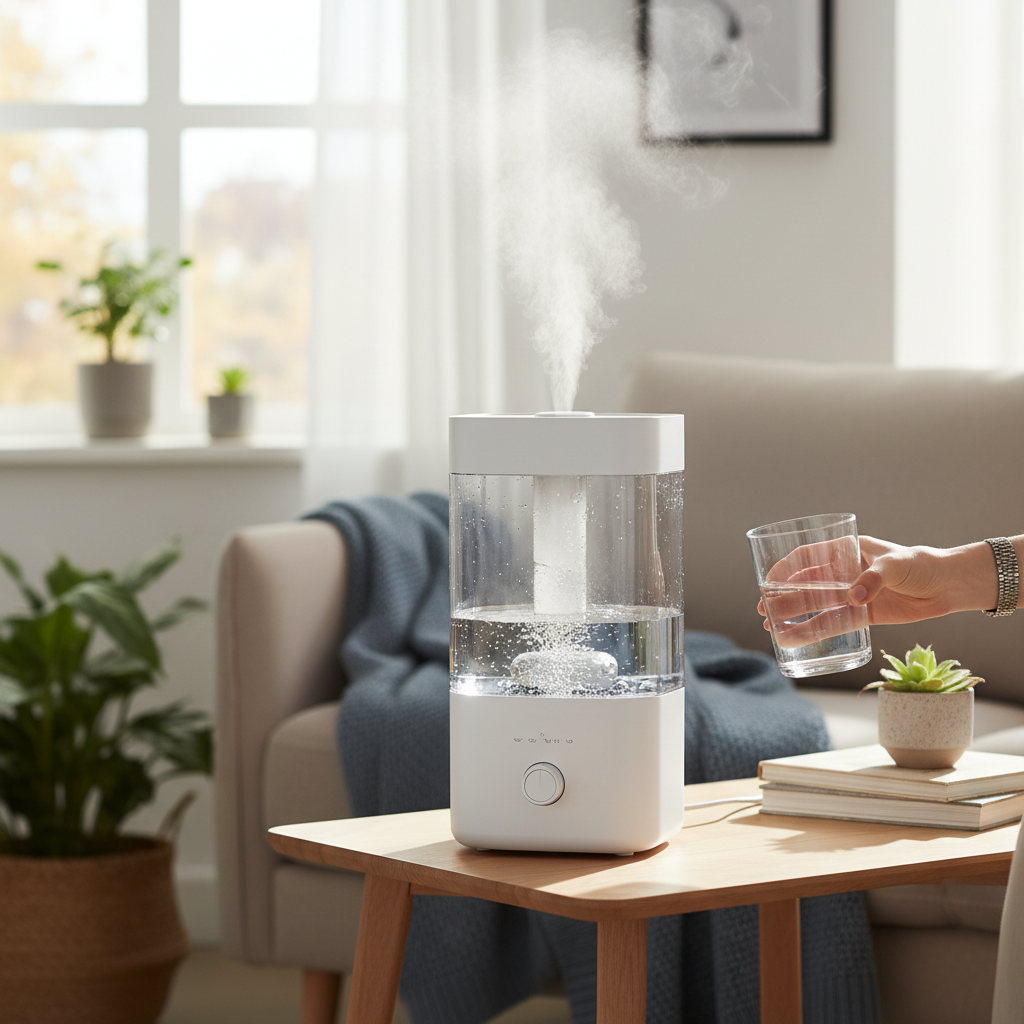
Before diving into troubleshooting, it’s essential to differentiate between a humidifier’s normal operating sounds and those that signal a problem. A healthy humidifier, whether ultrasonic or evaporative, will typically produce a gentle hum from its fan or a quiet whirring from its internal components. You might also hear a very subtle, occasional gurgle as water naturally shifts or refills in the reservoir. These are usually innocuous sounds that indicate your unit is working as intended, actively converting water into a fine mist or vapor to enrich your air.
However, when these sounds escalate into loud, persistent bubbling, aggressive gurgling, or even a struggling noise, it’s time to investigate. These more pronounced sounds often suggest an underlying issue that needs to be addressed, whether it’s a simple adjustment or a more thorough cleaning. Ignoring these signals could potentially impact your humidifier’s efficiency, lifespan, and even the air quality it provides.
Why Your Humidifier Bubbles: Common Causes Explored
A bubbling humidifier can be a mystery, but the causes are often straightforward and easily diagnosable. Most bubbling sounds originate from the interaction of water and air within the unit’s internal mechanisms. Here are the primary reasons why your humidifier might be making those distinctive gurgling noises.
Low Water Level & Air Intake
|
Our Picks for the Best Humidifier in 2026
As an Amazon Associate I earn from qualifying purchases.
|
||
| Num | Product | Action |
|---|---|---|
| 1 | BOXING 3L Cool Mist Humidifiers, Ultra Quiet 20dB for Bedroom, Baby & Office, Top Fill Air Humidifier for Large Room Home & Indoor Plants, 30H Runtime, Essential Oil Tray, Night Light, BPA-Free, White |

|
| 2 | Dreo Humidifiers for Bedroom, 4L Top Fill for Large Room, 36H Runtime, 28 dB Quiet Supersized Cool Mist Air Humidifier for Baby Nursery, Plants, Indoor, Night Light, Easy to Clean & Fill, White |
|
| 3 | LEVOIT - Humidifiers for Bedroom - Quiet (3L Water Tank) - Cool Mist/Top Fill/Essential Oil Diffuser/25Watt - Home/Large Room - 360° Nozzle - Rapid Ultrasonic Humidification for Baby Nursery/Plant |
|
| 4 | Dreo Smart Humidifiers for Bedroom, Top Fill 4L Supersized Humidifier Large Room with 28 dB, 36H Runtime, Touch/APP/Voice Control, Nightlight, Cool Mist Humidifiers for Baby, Plants, Indoor, Black |
|
| 5 | Humidifiers for Bedroom Large Room with 7L/1.85Gal Large Humidifier, Smart App & Remote Control, 4 Mist Levels Large Room Humidifiers for Home Midnight |
|
| 6 | Homvana Humidifiers for Bedroom Home, 3.6 L Cool Mist Top-Fill 34H Super Long Time, Quiet 23dB, Baby Humidifier, Oil Diffuser for Large Room, House, Plant, Nursery, Office, BPA FREE, Ultrasonic (Grey) |
|
| 7 | LEVOIT Top Fill Humidifiers for Bedroom, 2.5L Tank for Large Room, Easy to Fill & Clean, 28dB Quiet Cool Mist Air Humidifier for Home Baby Nursery & Plants, Auto Shut-off for Safety, 25H |
|
| 8 | BREEZOME 6L Humidifiers for Bedroom Large Room & Essential Oil Diffuser, Ultrasonic Top Fill Cool Mist Humidifiers for Baby, Plants, Nursery Last up to 60 Hours, Smart Humidistat Control, Quiet, Black |
|
| 9 | LEVOIT Humidifiers for Bedroom Large Room Home, (6L) Cool Mist Top Fill Essential Oil Diffuser for Baby & Plants, Smart App & Voice Control, Rapid Humidification & Auto Mode - Quiet Sleep Mode, Gray |
|
| 10 | MegaWise Topfill 7-colour Night light humidifier for Kid bedroom with 3.5L Large Capacity, No leakage Design Fine Mist Output Auto Shutoff, Essential Oil Safe Tank |
|
One of the most frequent culprits behind a noisy humidifier is simply a low water level. When the water in the tank or reservoir dips below a certain point, the humidifier’s pump or ultrasonic transducer may struggle to draw sufficient water. This struggle can cause air to be pulled into the system, creating distinct bubbling or gurgling as the unit tries to compensate. For cool mist humidifiers, an empty reservoir can lead to air entering the pump, directly causing these sounds. Many modern humidifiers feature an auto shut-off function or a low-water indicator, but a noisy unit can be an early warning sign before these features activate.
Trapped Air Bubbles & Pressure Issues
Humidifiers operate by maintaining a delicate balance of water flow and air pressure. Sometimes, air bubbles can become trapped within the water tank or the base unit, especially after refilling. As the humidifier attempts to draw water and release mist, these trapped air pockets can be forced through the system, resulting in loud, intermittent gurgling sounds. This phenomenon is often linked to an imbalance in air pressure within the tank. If the tank cap is too tightly sealed, it might prevent air from flowing evenly into the tank as water is drawn out, exacerbating this pressure difference and leading to more prominent bubbling.
Mineral Buildup (Hard Water Deposits)
Hard water, rich in minerals like calcium and magnesium, is a humidifier’s silent enemy. Over time, these minerals accumulate on various internal components, most notably the ultrasonic transducer in ultrasonic models. This mineral buildup, often appearing as a white, crusty residue, can impede the transducer’s ability to vibrate effectively and convert water into mist. When the transducer has to work harder against these deposits, it can produce a variety of unusual noises, including grinding, rattling, or even bubbling, as water flow becomes uneven or restricted. This issue is particularly prevalent for users who consistently use unfiltered tap water.
Improper Tank Seating
The water tank of your humidifier must be correctly and securely seated on its base for optimal operation. If the tank is misaligned, tilted, or not fully locked into place, it can create small gaps or an uneven seal. These imperfections allow air to seep into the water supply system or disrupt the consistent flow of water into the base. The result is often an increase in bubbling or gurgling sounds as the unit struggles to maintain proper water delivery and air pressure. A quick check of the tank’s position can often resolve this simple yet common issue.
Clogged Filters or Uneven Water Flow
Some humidifiers utilize filters or wicks to regulate water flow and purify the water before it’s dispersed. Over time, these components can become clogged with mineral deposits, dust, or mold, especially if maintenance is neglected. A clogged filter restricts the smooth passage of water, forcing the humidifier’s mechanisms to work harder and creating turbulent water flow that manifests as bubbling. Similarly, if internal components designed for water distribution, such as cotton sponge sticks in certain models, are worn out or dirty, they can lead to uneven fogging and accompanying gurgling noises.
Troubleshooting Steps: How to Silence Your Bubbling Humidifier
Once you’ve identified the potential causes, quieting your bubbling humidifier often involves a series of straightforward troubleshooting steps. Most of these solutions can be performed at home with minimal tools, bringing your humidifier back to its serene, efficient state.
Check Water Levels & Refill
This is the simplest and often most effective first step. Ensure your humidifier’s water tank is filled to the recommended maximum level. If it’s low, refill it immediately. Making sure the water level is consistently adequate prevents the pump from drawing air and eliminates bubbling caused by insufficient water supply. Always aim to keep the water above the minimum fill line to prevent stress on internal components.
Thorough Cleaning & Descaling
Regular cleaning is paramount, especially for addressing mineral buildup. To descale your humidifier:
- Unplug the unit and empty any remaining water.
- Disassemble the tank, base, and any removable components.
- Create a cleaning solution: A common and effective solution is a mixture of one part white vinegar to two parts water.
- Soak components: Fill the water tank with the vinegar solution and let it sit for at least 30 minutes, or even a few hours for heavy buildup. For the base and other small parts, soak them in a separate basin with the same solution.
- Scrub gently: Use a soft brush or cloth to scrub away any visible mineral deposits or slime from all surfaces, paying close attention to the ultrasonic transducer (the small disk) and water intake areas.
- Rinse thoroughly: Rinse all components with clean, fresh water until no vinegar smell or residue remains. Allow them to air dry before reassembly. This process can significantly reduce noise and improve performance.
Use Distilled or Demineralized Water
To prevent future mineral buildup and maintain a quieter operation, switch from tap water to distilled or demineralized water. While this might incur a slightly higher cost, it dramatically reduces the accumulation of calcium and magnesium deposits, prolonging your humidifier’s life and ensuring consistent, quiet performance. This is particularly beneficial for ultrasonic humidifiers, which are prone to producing “white dust” from tap water minerals.
Ensure Proper Tank Placement
After refilling or cleaning, always ensure the water tank is correctly and securely seated on its base. Listen for a click or feel for a snug fit. A properly aligned tank creates a tight seal, preventing air from entering where it shouldn’t and allowing water to flow evenly into the base. If your humidifier has specific alignment marks, make sure to match them.
Inspect Filters and Components
If your humidifier uses a filter or wick, check its condition. If it’s discolored, stiff with mineral deposits, or shows signs of mold, it’s time for a replacement. Consult your humidifier’s manual for recommended replacement schedules and types. For models with cotton sponge sticks, ensure they are clean and not degraded. Replacing clogged filters or worn-out wicks can restore proper water flow and eliminate bubbling noises caused by restricted water movement.
Adjust Tank Cap
In some humidifier designs, a tightly sealed tank cap can create a vacuum, leading to gurgling sounds as the system struggles to draw water. Try loosening the tank cap slightly, just enough to allow for even airflow without causing spills. This simple adjustment can sometimes alleviate pressure imbalances and promote a smoother water flow, thereby reducing bubbling.
Optimal Placement for Stability
The surface on which your humidifier rests can also contribute to noise. Place your humidifier on a flat, stable, and sturdy surface. Avoid placing it on uneven surfaces or directly on carpeting, which can muffle air intake or amplify vibrations. A stable surface minimizes ambient vibrations that can be mistaken for or contribute to internal operational noises.
Preventative Maintenance for a Quieter Humidifier
Proactive maintenance is the best strategy for a long-lasting, quiet humidifier. By incorporating a few simple habits into your routine, you can significantly reduce the likelihood of bubbling noises and other operational issues.
Regular Cleaning Schedule
Establish a consistent cleaning schedule. A quick rinse and wipe-down of the tank and base every few days, coupled with a more thorough vinegar descaling once a week or bi-weekly (depending on usage and water hardness), will prevent mineral buildup and bacterial growth. This routine ensures all internal components, especially the ultrasonic transducer, remain free of obstructions.
Consistent Use of Distilled Water
As mentioned, using distilled or demineralized water is a game-changer for humidifier health and quiet operation. Make it a standard practice to fill your tank only with treated water. This investment can save you time on cleaning and prevent costly repairs or replacements in the long run, ensuring your humidifier functions silently and efficiently.
Annual Component Check
Once a year, or at the beginning of the humidifying season, perform a comprehensive check of all removable components. Inspect seals, O-rings, filters, and wicks for signs of wear, damage, or excessive buildup that can’t be cleaned. Replace any worn parts according to the manufacturer’s recommendations. This annual check helps catch minor issues before they escalate into louder problems or operational failures.
When to Consider a Replacement
Even with diligent care, all appliances eventually reach the end of their lifespan. If your humidifier continues to make persistent, loud bubbling noises despite thorough cleaning, using distilled water, and checking all components, it might be time to consider a replacement. An older unit, one that frequently leaks, or a model that requires constant troubleshooting may be signaling its retirement. Investing in a new humidifier can offer improved features, quieter operation, and renewed peace of mind.
Conclusion
A bubbling humidifier can certainly be a nuisance, but understanding its causes is the key to a quick and effective solution. From ensuring adequate water levels and diligent cleaning to using distilled water and proper tank seating, most common issues can be resolved with a little effort. By adopting a routine of preventative maintenance, you can ensure your humidifier operates quietly and efficiently, consistently providing the healthy, comfortable air your home deserves. Don’t let a noisy humidifier disrupt your peace; take action to restore its calm hum and enjoy the benefits of balanced humidity. What steps will you take today to ensure your humidifier runs silently?
FAQ
Is it normal for a humidifier to make gurgling sounds?
Occasional, subtle gurgling can be normal as water refills in the base. However, persistent, loud, or aggressive bubbling usually indicates an underlying issue that needs attention, such as low water, trapped air, or mineral buildup.
How often should I clean my humidifier to prevent noise?
For optimal performance and to minimize noise, aim for a light cleaning every few days and a more thorough descaling with vinegar every one to two weeks, especially if you use tap water.
Can hard water cause my humidifier to bubble?
Yes, hard water is a common cause. Minerals in hard water can accumulate on internal components, forcing the humidifier to work harder and disrupting water flow, which can lead to bubbling and other unusual noises.
Why does my humidifier make a loud bubbling sound when it’s full?
Even when full, a humidifier can bubble due to trapped air bubbles, an improperly seated tank, or pressure imbalances within the unit. Ensure the tank is secured and its cap isn’t overly tight.
Does using distilled water stop humidifier bubbling?
Using distilled or demineralized water significantly reduces mineral buildup, which is a major contributor to bubbling and other noises. While it won’t prevent all potential causes, it’s highly effective for mineral-related issues.