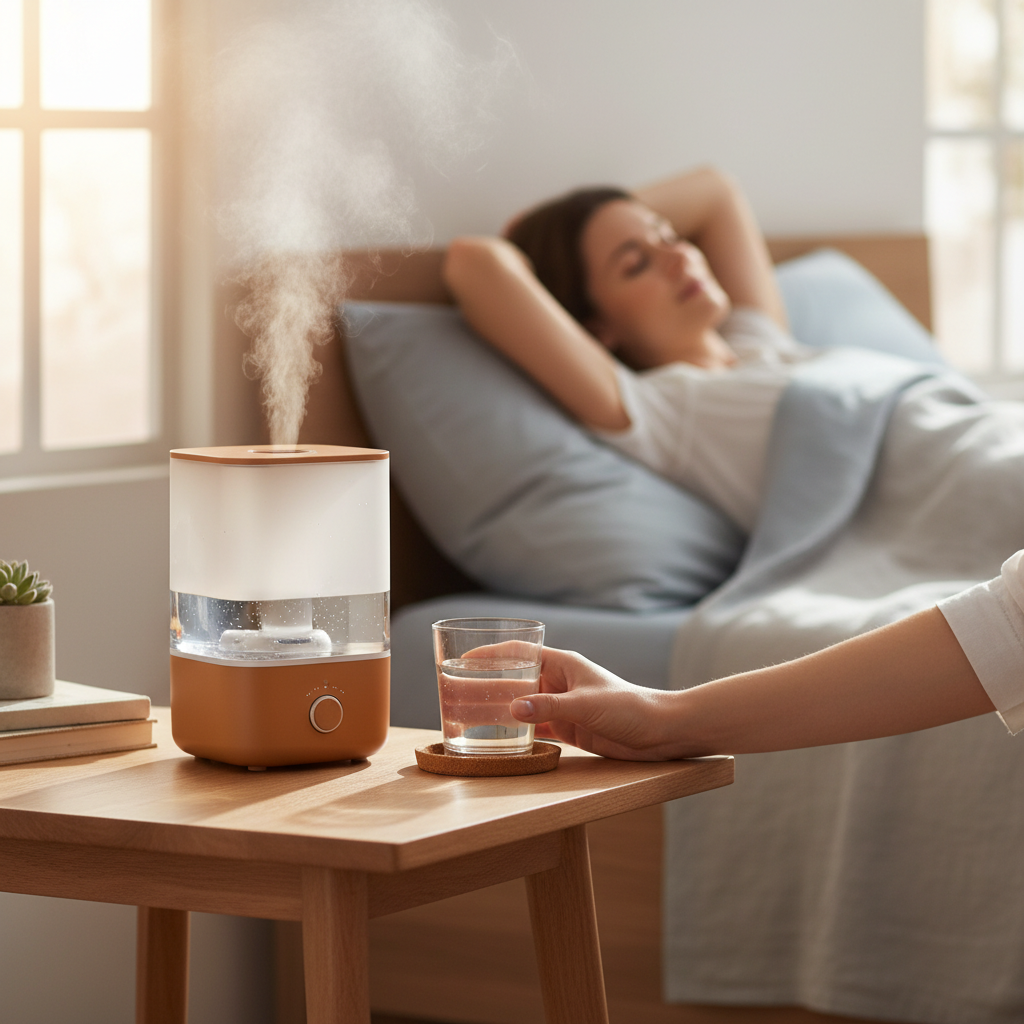
Have you ever considered the invisible element that significantly impacts your comfort, health, and even the structural integrity of your home? It’s indoor humidity, and often, it goes completely unmonitored. Just as temperature influences how you feel, the percentage of water vapor in your air plays a critical role in creating a healthy and comfortable living environment. Ignoring this vital metric can lead to a host of problems, from persistent allergies and respiratory issues to costly damage to your property. This comprehensive guide will explore why understanding and actively monitoring your indoor humidity is not just a suggestion, but a necessity for optimal well-being and home preservation.
Understanding Indoor Humidity: What it is and Why it’s Vital
Indoor humidity refers to the amount of water vapor present in the air inside your home. It’s typically measured as relative humidity (RH), expressed as a percentage. This percentage indicates how much moisture the air currently holds compared to the maximum amount it could hold at a given temperature. When we talk about “monitoring indoor humidity,” we’re aiming to keep this RH within an optimal range.
Why is this monitoring so crucial? Because the invisible nature of humidity often means its effects are attributed to other causes until it’s too late. Maintaining a balanced humidity level is fundamental for preventing myriad issues, directly impacting everything from your family’s health to the longevity of your furniture and electronics. It’s a key factor in overall indoor air quality, contributing silently but powerfully to your daily life.
The Detrimental Effects of Imbalanced Indoor Humidity
Ignoring your home’s humidity levels can lead to a spectrum of problems, both for its occupants and its structure. These issues manifest differently depending on whether the humidity is too high or too low.
The Risks of High Humidity
When indoor humidity consistently exceeds ideal levels, typically above 60%, your home becomes a breeding ground for undesirable elements and suffers potential damage:
- Mold and Mildew Growth: This is perhaps the most significant concern. High moisture creates the perfect environment for mold spores to proliferate on walls, ceilings, carpets, and even within HVAC systems. Mold can cause structural damage and release allergens and irritants, leading to various health issues.
- Dust Mite Infestations: Dust mites thrive in humid conditions, especially above 50% RH. These microscopic pests are a common trigger for allergies and asthma, particularly in children.
- Bacterial and Viral Proliferation: Some bacteria and viruses survive and spread more easily in very humid environments, potentially increasing the risk of illness.
- Structural Damage: Persistent high humidity can warp wooden floors, furniture, and window frames. It can also lead to peeling paint, blistering wallpaper, and even damage to electronic devices.
- Unpleasant Odors and Discomfort: A damp, musty smell is a tell-tale sign of high humidity, often accompanied by a feeling of clamminess and stickiness, making your home feel warmer and less comfortable than it truly is.
|
Our Picks for the Best Humidifier in 2026
As an Amazon Associate I earn from qualifying purchases.
|
||
| Num | Product | Action |
|---|---|---|
| 1 | Dreo Smart Humidifiers for Bedroom, Top Fill 4L Supersized Humidifier Large Room with 28 dB, 36H Runtime, Touch/APP/Voice Control, Nightlight, Cool Mist Humidifiers for Baby, Plants, Indoor, Black |

|
| 2 | LEVOIT - Humidifiers for Bedroom - Quiet (3L Water Tank) - Cool Mist/Top Fill/Essential Oil Diffuser/25Watt - Home/Large Room - 360° Nozzle - Rapid Ultrasonic Humidification for Baby Nursery/Plant |
|
| 3 | LEVOIT Humidifiers for Bedroom Large Room Home, (6L) Cool Mist Top Fill Essential Oil Diffuser for Baby & Plants, Smart App & Voice Control, Rapid Humidification & Auto Mode - Quiet Sleep Mode, Gray |
|
| 4 | Humidifiers for Bedroom Large Room with 7L/1.85Gal Large Humidifier, Smart App & Remote Control, 4 Mist Levels Large Room Humidifiers for Home Midnight |
|
| 5 | BREEZOME 6L Humidifiers for Bedroom Large Room & Essential Oil Diffuser, Ultrasonic Top Fill Cool Mist Humidifiers for Baby, Plants, Nursery Last up to 60 Hours, Smart Humidistat Control, Quiet, Black |
|
| 6 | Dreo Humidifiers for Bedroom, 4L Top Fill for Large Room, 36H Runtime, 28 dB Quiet Supersized Cool Mist Air Humidifier for Baby Nursery, Plants, Indoor, Night Light, Easy to Clean & Fill, White |
|
| 7 | BOXING 3L Cool Mist Humidifiers, Ultra Quiet 20dB for Bedroom, Baby & Office, Top Fill Air Humidifier for Large Room Home & Indoor Plants, 30H Runtime, Essential Oil Tray, Night Light, BPA-Free, White |
|
| 8 | MegaWise Topfill 7-colour Night light humidifier for Kid bedroom with 3.5L Large Capacity, No leakage Design Fine Mist Output Auto Shutoff, Essential Oil Safe Tank |
|
| 9 | Homvana Humidifiers for Bedroom Home, 3.6 L Cool Mist Top-Fill 34H Super Long Time, Quiet 23dB, Baby Humidifier, Oil Diffuser for Large Room, House, Plant, Nursery, Office, BPA FREE, Ultrasonic (Grey) |
|
| 10 | LEVOIT Top Fill Humidifiers for Bedroom, 2.5L Tank for Large Room, Easy to Fill & Clean, 28dB Quiet Cool Mist Air Humidifier for Home Baby Nursery & Plants, Auto Shut-off for Safety, 25H |
|
The Risks of Low Humidity
Conversely, when indoor humidity drops too low, usually below 30%, especially common during dry winter months or in arid climates, it presents its own set of challenges:
- Respiratory Irritation: Dry air can irritate the nasal passages, throat, and lungs, leading to dry coughs, sore throats, and increased susceptibility to colds and flu. It can also exacerbate asthma and allergy symptoms.
- Dry Skin, Eyes, and Hair: Low humidity strips moisture from your body, causing dry, itchy skin, chapped lips, and irritated eyes. Your hair can become brittle and dull.
- Static Electricity: Annoying static shocks are a common indicator of overly dry air, which can also damage sensitive electronics.
- Damage to Home Furnishings: Wooden furniture, floors, musical instruments, and artwork can crack, warp, or become brittle when moisture is leached out of them.
- Increased Heating Costs: Dry air often feels cooler than humid air at the same temperature, leading you to turn up the thermostat, consuming more energy unnecessarily.
Optimal Indoor Humidity Levels: What to Aim For
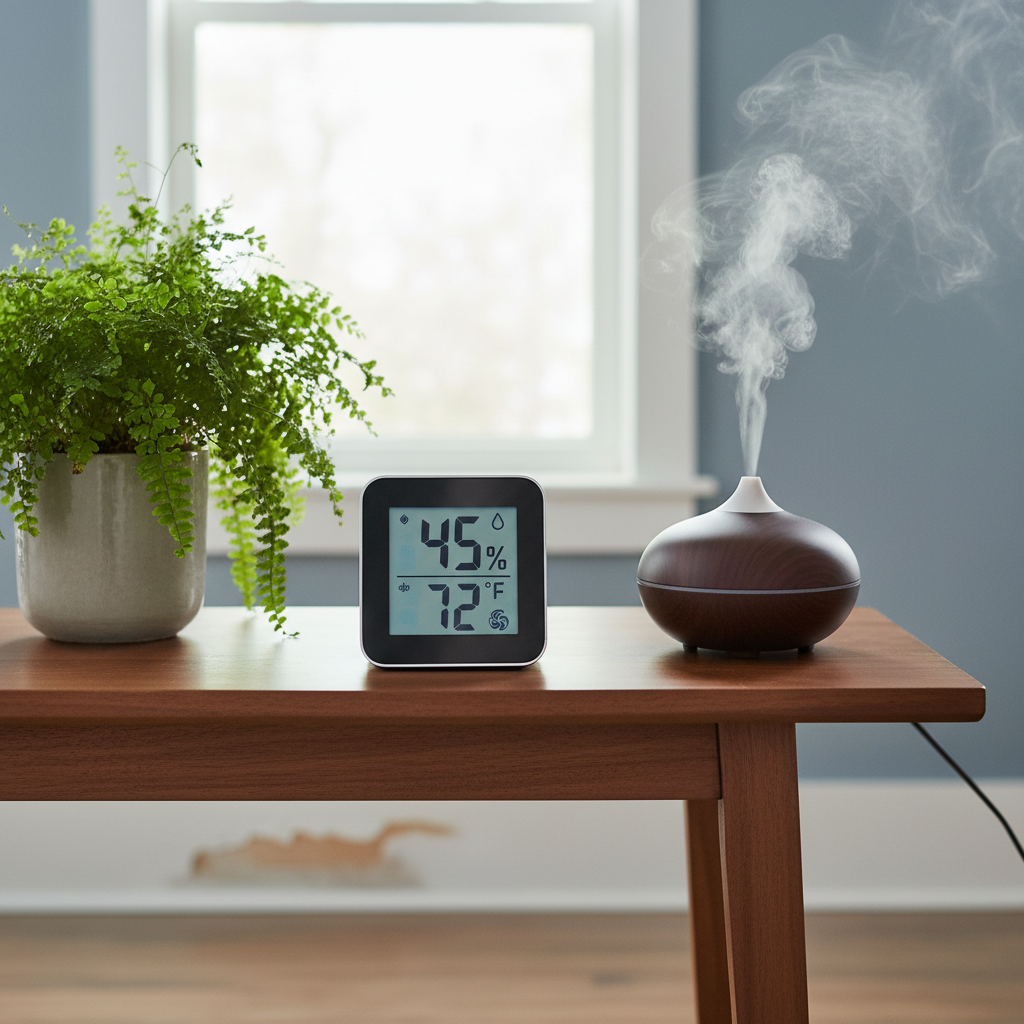
So, what’s the sweet spot? Most experts agree that the ideal indoor relative humidity should be maintained between 40% and 50%. Some sources suggest a range of 30% to 60%, but leaning towards the middle offers the best balance for health, comfort, and home preservation.
Maintaining this range offers numerous benefits:
- Enhanced Comfort: You’ll feel more comfortable, experiencing less dry skin, static, or clamminess.
- Improved Health: Reduced risk of respiratory infections, fewer allergy and asthma triggers, and better sleep quality.
- Preservation of Your Home: Protection against mold, mildew, dust mites, and damage to wood, electronics, and furnishings.
- Energy Efficiency: A well-humidified home often feels warmer in winter, potentially allowing you to lower your thermostat slightly and save on heating costs.
It’s important to note that optimal levels can vary slightly by season. During colder months, you might aim for the lower end of the 40-50% range to prevent condensation on windows, which can lead to mold. In warmer, humid months, managing to stay below 60% is key.
Tools and Methods for Accurate Humidity Monitoring
You can’t manage what you don’t measure. Fortunately, several reliable tools are available to help you accurately monitor your home’s humidity levels.
Hygrometers: Your Go-To Device
The primary tool for measuring relative humidity is a hygrometer. They come in various forms:
- Analog Hygrometers: These use mechanical components (like a coil spring) to indicate humidity. They are generally less accurate and slower to react to changes but are inexpensive.
- Digital Hygrometers: These are the most common and recommended type. They use electronic sensors to provide quick, precise readings on a digital display. Many models also include temperature readings, and some offer trend data (max/min humidity over time).
- Smart Hygrometers: Integrating with Wi-Fi or Bluetooth, these devices can send humidity data to your smartphone, allowing for remote monitoring and alerts. Some can even integrate with smart home systems to trigger humidifiers or dehumidifiers automatically.
When choosing a hygrometer, consider its accuracy (a deviation of +/- 5% is common, but better models offer +/- 2-3%), response time, and additional features like backlighting or data logging.
Integrated Smart Home Systems
Many modern smart thermostats and indoor air quality monitors now include built-in hygrometers. These systems often provide a holistic view of your home’s environment, integrating humidity data with temperature, air quality, and even outdoor weather conditions through a central app. This offers convenient, continuous monitoring and often allows for automated adjustments of your HVAC system or smart humidifiers/dehumidifiers.
Simple Observations
While not precise, your senses can offer early warning signs of humidity imbalance:
- Condensation on windows or cold surfaces suggests humidity is too high.
- Dry, itchy skin, chapped lips, or frequent static shocks point to overly low humidity.
- Musty odors can indicate mold growth due to high humidity.
- Cracked wood furniture can be a sign of very low humidity.
These observations should prompt you to use a hygrometer for an accurate reading.
Factors Influencing Your Home’s Humidity
Indoor humidity isn’t static; it constantly fluctuates due to a mix of internal and external factors. Understanding these can help you anticipate and address imbalances proactively.
- Seasonal Changes: This is the most significant external factor. Winters often bring drier air, especially with heating systems running, which can further reduce indoor humidity. Summers, particularly in humid climates, often lead to elevated indoor humidity.
- Outdoor Climate: Naturally, living in a dry desert region will present different humidity challenges than residing in a tropical, coastal area.
- Ventilation: Activities like cooking, showering, and doing laundry without proper ventilation (exhaust fans) can quickly introduce large amounts of moisture into your home, increasing humidity. Conversely, poor ventilation can trap humid air.
- Insulation and Air Sealing: A well-sealed and insulated home is better at maintaining consistent humidity levels by preventing the exchange of humid or dry air from outside.
- Heating and Cooling Systems: Central air conditioning systems naturally dehumidify the air as they cool it. Furnaces, on the other hand, tend to dry out the air, contributing to lower humidity in winter.
- Household Activities: Indoor plants release moisture through transpiration. Aquariums, even covered ones, contribute to ambient humidity. Even breathing and sweating add moisture to the air.
Practical Steps to Manage and Maintain Healthy Indoor Humidity
Once you’re monitoring your indoor humidity and understand the influencing factors, you can take targeted actions to bring it into the optimal range.
For High Humidity:
- Use a Dehumidifier: This is the most direct and effective way to remove excess moisture from the air. Choose a size appropriate for your room or entire home.
- Improve Ventilation: Use exhaust fans in bathrooms and kitchens while showering and cooking. Open windows for short periods when outdoor humidity is lower than indoors.
- Fix Leaks Promptly: Leaky pipes or roofs are constant sources of unwanted moisture.
- Run Your Air Conditioner: AC units not only cool but also dehumidify the air.
- Avoid Air Drying Laundry Indoors: If possible, use a dryer or hang clothes outside to prevent adding moisture to your indoor air.
For Low Humidity:
- Use a Humidifier: Add moisture back into the air with a humidifier. Options range from small personal units to whole-house systems integrated with your HVAC.
- Air Dry Clothes Indoors (Strategically): If you’re struggling with low humidity, air drying laundry inside can slightly increase moisture levels.
- Embrace Indoor Plants: Some plants naturally release moisture into the air.
- Reduce Exhaust Fan Usage: Limit the use of exhaust fans when not necessary, as they can draw out valuable moisture in dry conditions.
- Consider Sealing Air Leaks: While primarily for temperature, sealing leaks can also help prevent dry outdoor air from infiltrating your home.
Regular Monitoring Habits
Make checking your hygrometer a regular habit, perhaps alongside checking the thermostat. If you have a smart monitor, utilize its alerts and historical data to understand patterns and anticipate needs. Consistent monitoring empowers you to make timely adjustments, ensuring your home’s humidity remains within the healthy zone.
Top-Rated Humidity Monitoring Devices for Your Home
The market offers a wide array of excellent humidity monitoring devices catering to different needs and budgets. From simple, reliable digital hygrometers to advanced smart sensors, you have many choices.
- Standalone Digital Hygrometers: Brands like Govee, AcuRite, and ThermoPro consistently receive high ratings for their accuracy, clear displays, and often include temperature readings and trend data. Many are battery-operated and compact, perfect for placing in different rooms.
- Smart Home Integrated Sensors: Devices from companies like Aqara, Ecobee (with their SmartThermostat), and various Zigbee/Z-Wave compatible sensors integrate seamlessly into existing smart home ecosystems, allowing for automated routines based on humidity levels. These often offer detailed historical data accessible via an app.
- Combination Devices: Some air purifiers or smart thermostats also incorporate humidity sensors, offering a multi-functional approach to indoor air quality management.
When selecting a device, consider your budget, the size of the area you want to monitor, whether you need remote access, and if you plan to integrate it with other smart home devices.
Maintaining Your Monitoring Devices and Troubleshooting Common Issues
To ensure your humidity readings remain accurate and your device lasts, a little maintenance and troubleshooting can go a long way.
- Calibration: While many digital hygrometers come pre-calibrated, some high-end models allow for manual calibration. If you suspect your hygrometer is inaccurate, you can perform a simple salt test (placing it in a sealed bag with wet salt) to check its readings against a known humidity level. Follow the manufacturer’s instructions for calibration if available.
- Battery Replacement: Most battery-operated digital hygrometers will give low battery warnings. Replace batteries promptly to avoid interrupted monitoring and potential data loss.
- Sensor Cleaning: Keep the sensor area free from dust and debris. Gently wipe the exterior of the device with a soft, dry cloth. Avoid using harsh chemicals or submerging the device in water.
- Placement: Ensure your hygrometer is placed away from direct sunlight, vents, windows, and humidifiers/dehumidifiers, which can skew readings. Place it in the center of the room you wish to monitor for the most accurate ambient reading.
- Troubleshooting Off Readings: If readings seem drastically off, first check the battery, then try moving the device to a different location. If issues persist, refer to the manufacturer’s manual or consider recalibration.
Common Questions About Indoor Humidity Monitoring
What is the ideal indoor humidity percentage for health?
The generally recommended range for optimal health and comfort is between 40% and 50% relative humidity, although 30% to 60% is often cited as an acceptable range to avoid extreme dryness or dampness.
How often should I check my home’s humidity?
Ideally, you should monitor your home’s humidity continuously using a digital or smart hygrometer. Daily checks are recommended if you have a basic device, especially during seasonal transitions or if someone in your household has respiratory sensitivities.
Can high humidity affect my sleep?
Yes, high humidity can make a room feel warmer and stickier, disrupting your comfort and potentially leading to restless sleep. It can also exacerbate dust mite allergies, further impacting sleep quality.
Is indoor humidity different from outdoor humidity?
Yes, indoor humidity can be significantly different from outdoor humidity due to various factors like heating, air conditioning, ventilation, and household activities. It’s crucial to monitor indoor levels separately.
What’s the easiest way to increase humidity in a dry home?
Using a humidifier is the most effective way to add moisture to a dry home. Simple methods like air drying laundry indoors or placing bowls of water near heat sources can offer minor, temporary relief.
Can plants help with indoor humidity?
Yes, indoor plants release moisture into the air through a process called transpiration, which can modestly contribute to increasing humidity levels, especially if you have several plants.
Conclusion
The journey into understanding and actively monitoring your indoor humidity is an investment in your health, comfort, and the longevity of your home. From safeguarding against the proliferation of mold and dust mites in overly humid conditions to preventing respiratory irritation and damage to your prized possessions in overly dry environments, maintaining a balanced relative humidity between 40% and 50% is a critical aspect of holistic home management. By employing reliable monitoring tools and taking proactive steps to adjust moisture levels, you gain control over an often-overlooked yet incredibly powerful element of your living space. Don’t let invisible forces dictate your well-being. Start monitoring your indoor humidity today – what hidden benefits might you uncover?