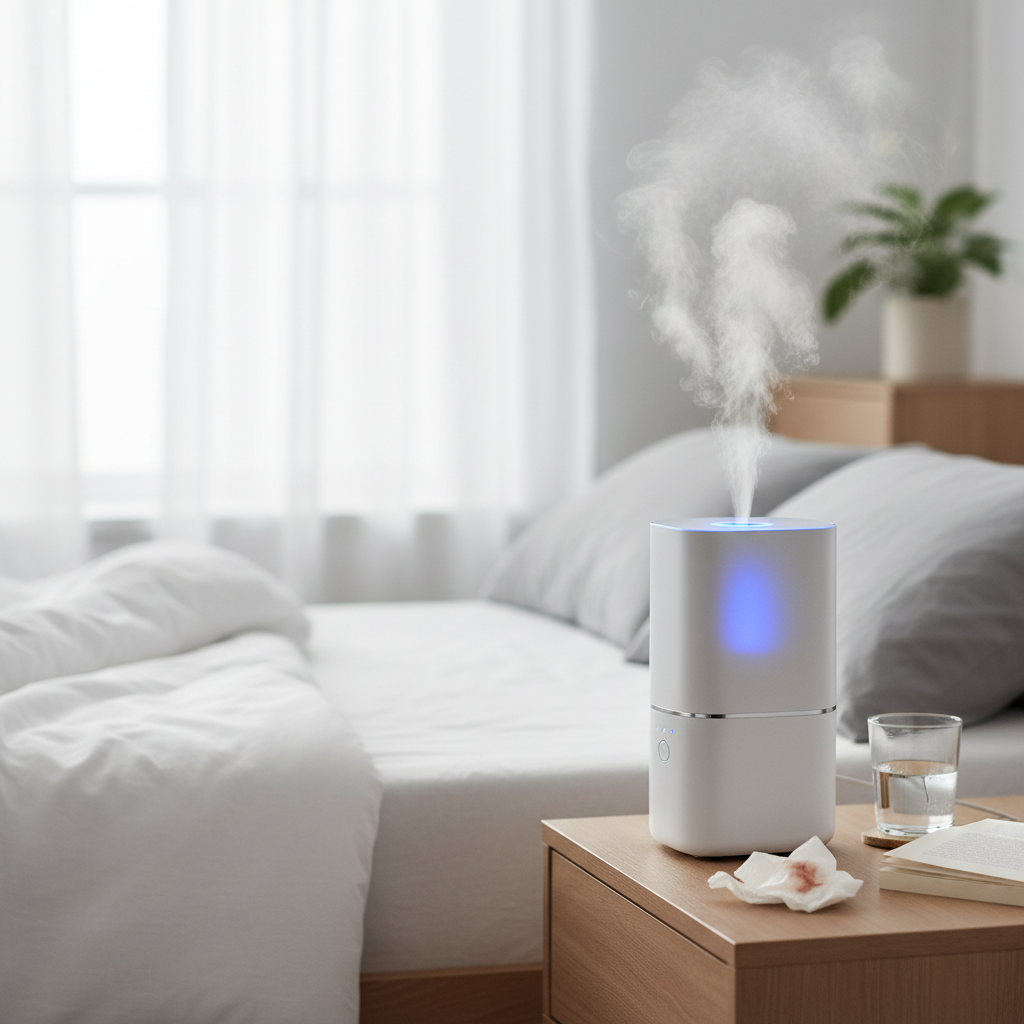
Humidifiers are indispensable tools for enhancing indoor air quality, alleviating dry skin, soothing respiratory irritations, and protecting your home’s furnishings. They can transform a dry, uncomfortable living space into a haven of balanced moisture. However, the benefits of these devices hinge entirely on their proper use and diligent maintenance. Without care, a humidifier can quickly turn from a helpful appliance into a source of problems, potentially damaging your home, your health, or the unit itself.
This guide, drawing on over a decade of hands-on experience with various humidification systems, from compact home units to industrial-grade machines, will walk you through the most prevalent mistakes humidifier users make. More importantly, it will equip you with the knowledge to avoid these pitfalls, ensuring your humidifier operates efficiently, safely, and extends its lifespan for years to come. Let’s delve into the crucial practices that make all the difference.
The Unseen Threat: Why Humidifier Mistakes Matter
While the primary goal of a humidifier is to add moisture to the air, improper use can inadvertently introduce new problems. A well-maintained humidifier provides relief from dry air, helping with conditions like chapped lips, dry sinuses, and static electricity. It also benefits wooden furniture, preventing cracks and warping by maintaining a healthy moisture balance.
However, when mistakes are made, these benefits are quickly undermined. Instead of clean, moist air, you might be dispersing harmful bacteria, mold spores, or mineral dust. Instead of a comfortable home, you could be creating an environment ripe for mildew growth and structural damage. Understanding these risks is the first step toward proactive care.
Common Mistakes That Ruin Your Humidifier (and Your Health)
Neglecting Regular Cleaning & Stagnant Water
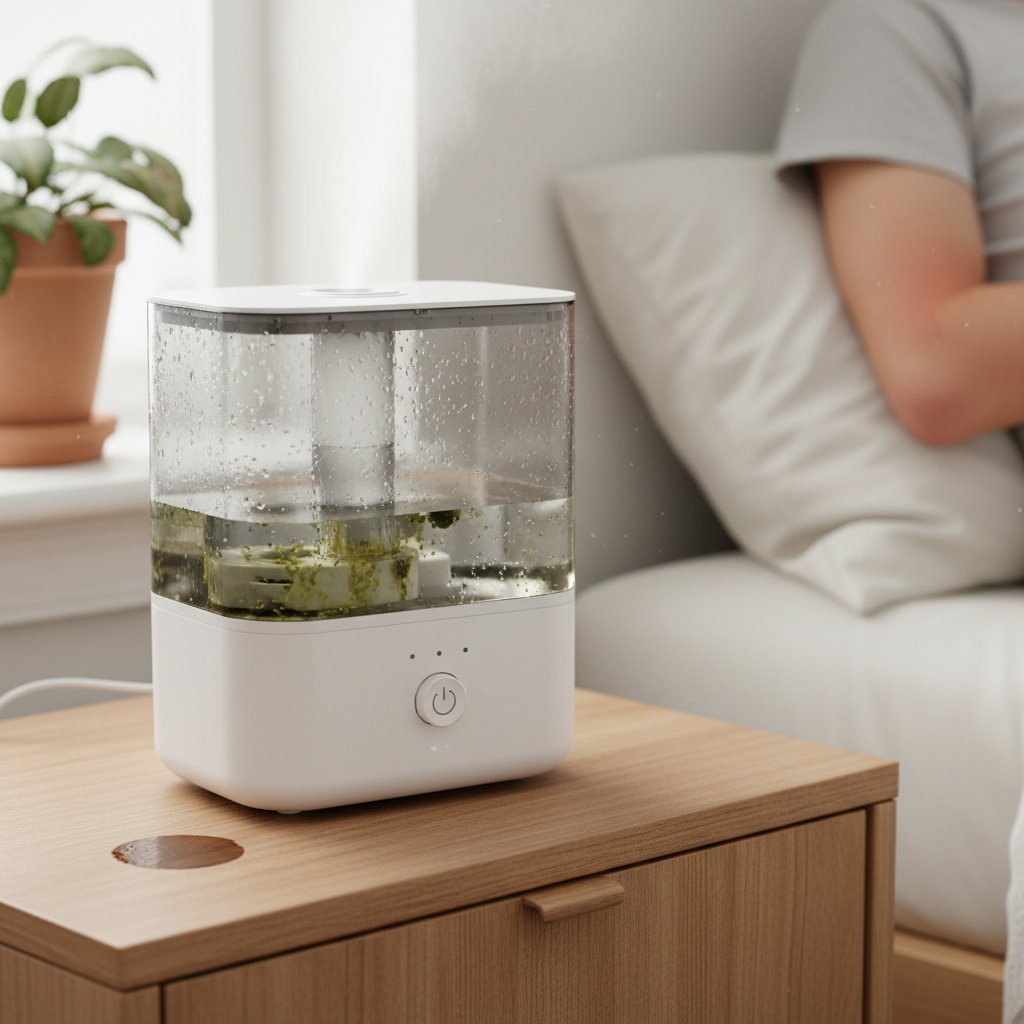
One of the most critical errors humidifier owners make is failing to clean their units regularly or allowing water to sit in the tank for extended periods. Humidifiers process water, and without consistent cleaning, they become prime breeding grounds for bacteria, mold, and mildew.
- The Problem: Stagnant water quickly develops biofilm and microbial growth. When the humidifier runs, these contaminants are dispersed into the air you breathe. This can lead to various respiratory issues, aggravate allergies and asthma, and even cause infections. Mold spores can also settle on surfaces in your home.
- The Solution: Empty and rinse the water tank daily. Clean the entire unit, including the tank, base, and any filters, at least once a week following the manufacturer’s instructions. A common cleaning solution involves a diluted vinegar mixture to disinfect and remove mineral buildup, followed by a thorough rinse.
|
Our Picks for the Best Humidifier in 2026
As an Amazon Associate I earn from qualifying purchases.
|
||
| Num | Product | Action |
|---|---|---|
| 1 | LEVOIT Top Fill Humidifiers for Bedroom, 2.5L Tank for Large Room, Easy to Fill & Clean, 28dB Quiet Cool Mist Air Humidifier for Home Baby Nursery & Plants, Auto Shut-off for Safety, 25H |

|
| 2 | Dreo Humidifiers for Bedroom, 4L Top Fill for Large Room, 36H Runtime, 28 dB Quiet Supersized Cool Mist Air Humidifier for Baby Nursery, Plants, Indoor, Night Light, Easy to Clean & Fill, White |
|
| 3 | LEVOIT Humidifiers for Bedroom Large Room Home, (6L) Cool Mist Top Fill Essential Oil Diffuser for Baby & Plants, Smart App & Voice Control, Rapid Humidification & Auto Mode - Quiet Sleep Mode, Gray |
|
| 4 | LEVOIT - Humidifiers for Bedroom - Quiet (3L Water Tank) - Cool Mist/Top Fill/Essential Oil Diffuser/25Watt - Home/Large Room - 360° Nozzle - Rapid Ultrasonic Humidification for Baby Nursery/Plant |
|
| 5 | BREEZOME 6L Humidifiers for Bedroom Large Room & Essential Oil Diffuser, Ultrasonic Top Fill Cool Mist Humidifiers for Baby, Plants, Nursery Last up to 60 Hours, Smart Humidistat Control, Quiet, Black |
|
| 6 | MegaWise Topfill 7-colour Night light humidifier for Kid bedroom with 3.5L Large Capacity, No leakage Design Fine Mist Output Auto Shutoff, Essential Oil Safe Tank |
|
| 7 | BOXING 3L Cool Mist Humidifiers, Ultra Quiet 20dB for Bedroom, Baby & Office, Top Fill Air Humidifier for Large Room Home & Indoor Plants, 30H Runtime, Essential Oil Tray, Night Light, BPA-Free, White |
|
| 8 | Dreo Smart Humidifiers for Bedroom, Top Fill 4L Supersized Humidifier Large Room with 28 dB, 36H Runtime, Touch/APP/Voice Control, Nightlight, Cool Mist Humidifiers for Baby, Plants, Indoor, Black |
|
| 9 | Humidifiers for Bedroom Large Room with 7L/1.85Gal Large Humidifier, Smart App & Remote Control, 4 Mist Levels Large Room Humidifiers for Home Midnight |
|
| 10 | Homvana Humidifiers for Bedroom Home, 3.6 L Cool Mist Top-Fill 34H Super Long Time, Quiet 23dB, Baby Humidifier, Oil Diffuser for Large Room, House, Plant, Nursery, Office, BPA FREE, Ultrasonic (Grey) |
|
Using the Wrong Type of Water (Tap Water)
Convenience often leads users to fill their humidifiers directly from the tap. While seemingly harmless, tap water is frequently laden with minerals that can wreak havoc on your device and your indoor environment.
- The Problem: When tap water evaporates, these minerals are left behind. In ultrasonic humidifiers, these minerals are often released into the air as “white dust,” which can settle on furniture, floors, and electronic devices. This white dust not only creates a cleaning nuisance but can also be inhaled, potentially irritating the lungs and respiratory tract. Over time, mineral buildup can also clog internal components, reducing efficiency and potentially damaging the humidifier’s mechanics.
- The Solution: Opt for distilled or demineralized water. These types of water have had their mineral content removed, preventing white dust and minimizing internal buildup. If distilled water isn’t feasible, consider a demineralization cartridge or filter if your humidifier supports it.
Over-Humidifying Your Environment
The goal is balanced humidity, not excessive moisture. Over-humidifying a room or home can lead to a host of problems that negate the very benefits you seek.
- The Problem: Too much humidity (typically above 60% relative humidity) creates an ideal environment for mold and mildew to flourish on walls, ceilings, upholstery, and even within your HVAC system. It can also cause wooden furniture, flooring, and structural elements of your home to swell, warp, or crack. Additionally, high humidity makes your home feel clammy and uncomfortable, and can even attract pests like dust mites.
- The Solution: Maintain a relative humidity level between 30% and 50% (or 35-45% depending on outdoor conditions and personal comfort). Use a hygrometer (humidity monitor) to keep track of indoor humidity levels. Many modern humidifiers come with a built-in humidistat that automatically shuts off the unit when the desired humidity is reached.
Improper Placement
Where you place your humidifier can significantly impact its performance, safety, and potential for damage.
- The Problem:
- Near Vents or Drafts: Placing a humidifier near air vents, open windows, or drafts can cause its moisture output to be quickly dispersed, leading to inefficient humidification and the unit working harder than necessary.
- On the Floor/Carpet: Humidifiers emit moisture, and direct placement on floors or carpets, especially without a protective mat, can lead to water damage, mildew growth, or staining.
- Unstable Surfaces: A full humidifier can be heavy. Placing it on an unstable or uneven surface risks tipping, which can cause water spills and potential electrical hazards.
- Too Close to Furniture/Electronics: Excessive moisture can damage wooden furniture, books, musical instruments, and sensitive electronics if the humidifier is placed too close.
- The Solution: Place your humidifier on a stable, flat, water-resistant surface, preferably on a stand or table. Ensure it’s in a central location within the room, away from direct drafts, heat sources, and at least a few feet from walls, furniture, and electronics to allow for even moisture distribution and prevent saturation. Keep it out of reach of children and pets.
Ignoring Warning Signs and Maintenance Issues
Humidifiers, like any appliance, can develop issues over time. Ignoring the early warning signs can escalate minor problems into costly repairs or premature unit failure.
- The Problem: Unusual noises, decreased mist output, leaks, or a persistent unpleasant odor are all indicators that something is wrong. Ignoring these can lead to component failure, electrical hazards, or the dispersal of unhealthy air. For example, a clogged filter or a failing fan can significantly reduce the unit’s effectiveness and put a strain on other parts.
- The Solution: Pay attention to your humidifier’s performance. If you notice any anomalies, consult your owner’s manual for troubleshooting steps. Regular inspection of filters, wicks, and other components can help catch issues early. Address leaks immediately to prevent water damage to your home. If a problem persists, contact the manufacturer or a qualified technician.
Misusing Essential Oils
Many people enjoy the aromatherapy benefits of essential oils, and it’s tempting to add them directly to a humidifier’s water tank. However, this is often a significant mistake.
- The Problem: Most humidifiers are not designed to handle essential oils. The oils, especially citrus-based varieties, can degrade or corrode the plastic components, seals, and internal mechanisms of the unit. This can lead to leaks, malfunction, or a shortened lifespan. In warm mist humidifiers, the high heat can also alter the chemical composition of the oils, diminishing their therapeutic properties and aroma.
- The Solution: If you wish to use essential oils, invest in a dedicated essential oil diffuser. Some humidifiers come with a separate essential oil tray or diffuser pad; only use oils in these designated compartments as per the manufacturer’s instructions. Never add oils directly to the water tank of a standard humidifier.
Incorrect Cleaning Methods (Submerging Electrical Parts)
While regular cleaning is crucial, how you clean your humidifier is equally important. Submerging the main unit or its electrical components in water is a fast way to ruin the device.
- The Problem: Electrical parts, motors, and circuit boards are highly susceptible to water damage. Submerging these components can cause short circuits, electrical failures, and permanent damage to the humidifier, rendering it inoperable and potentially creating a safety hazard.
- The Solution: Always unplug your humidifier before cleaning. When cleaning the base or any part with electrical components, use a damp cloth or sponge to wipe surfaces. Avoid pouring water directly onto these parts or submerging them. Pay careful attention to the manufacturer’s cleaning guidelines, which will specify which parts can be safely rinsed or soaked and which require dry wiping.
Expert Tips for a Long-Lasting Humidifier
Maintaining your humidifier doesn’t have to be a chore. By integrating a few simple habits into your routine, you can ensure it provides healthy, comfortable air for years.
- Daily Care: Empty and rinse the water tank daily. Refill with fresh, distilled or demineralized water.
- Weekly Deep Clean: Disassemble and clean all washable parts with a diluted vinegar solution, scrubbing away any mineral buildup or slime. Rinse thoroughly.
- Filter/Wick Replacement: Follow manufacturer recommendations for replacing filters or wicks. A clogged filter drastically reduces efficiency and can promote mold growth.
- Monitor Humidity: Use a hygrometer to keep indoor humidity between 30-50%.
- Proper Storage: If storing your humidifier for an extended period, clean it thoroughly, ensure all parts are completely dry, and store it in a cool, dry place.
“A humidifier is a health appliance as much as a comfort device. Treat it with the same care you would any tool affecting your indoor air quality, and it will serve you faithfully.” – Reviewook Admin, Humidifier Specialist
Conclusion
Your humidifier is a valuable asset in creating a comfortable and healthy living environment. However, like any precision instrument, it demands attention and correct usage. By understanding and actively avoiding common mistakes like neglecting cleaning, using tap water, over-humidifying, or improper placement, you not only extend the life of your appliance but also safeguard the air quality and structural integrity of your home. Embrace these best practices, and your humidifier will reward you with consistent, clean moisture, making your space truly optimized for well-being. What steps will you take today to ensure your humidifier is performing at its best?
Frequently Asked Questions
Why does my humidifier produce white dust?
White dust is typically caused by minerals present in tap water. When the water evaporates, these minerals are left behind and released into the air as fine particles. Switching to distilled or demineralized water will effectively eliminate this problem.
How often should I clean my humidifier?
It is recommended to rinse and refill your humidifier’s water tank daily. A thorough deep cleaning and disinfection of all washable components should be performed at least once a week to prevent the buildup of mold, bacteria, and mineral deposits.
Can a humidifier cause mold in my house?
Yes, if used improperly. Over-humidifying your home (maintaining humidity levels above 60%) creates an ideal environment for mold and mildew to grow on surfaces like walls, ceilings, and fabrics. Always monitor your indoor humidity with a hygrometer.
Is it safe to put essential oils in any humidifier?
No, most standard humidifiers are not designed for essential oils, which can degrade plastic parts and seals, leading to damage or leaks. Only use essential oils in humidifiers specifically designed with a dedicated essential oil tray or with a standalone diffuser.