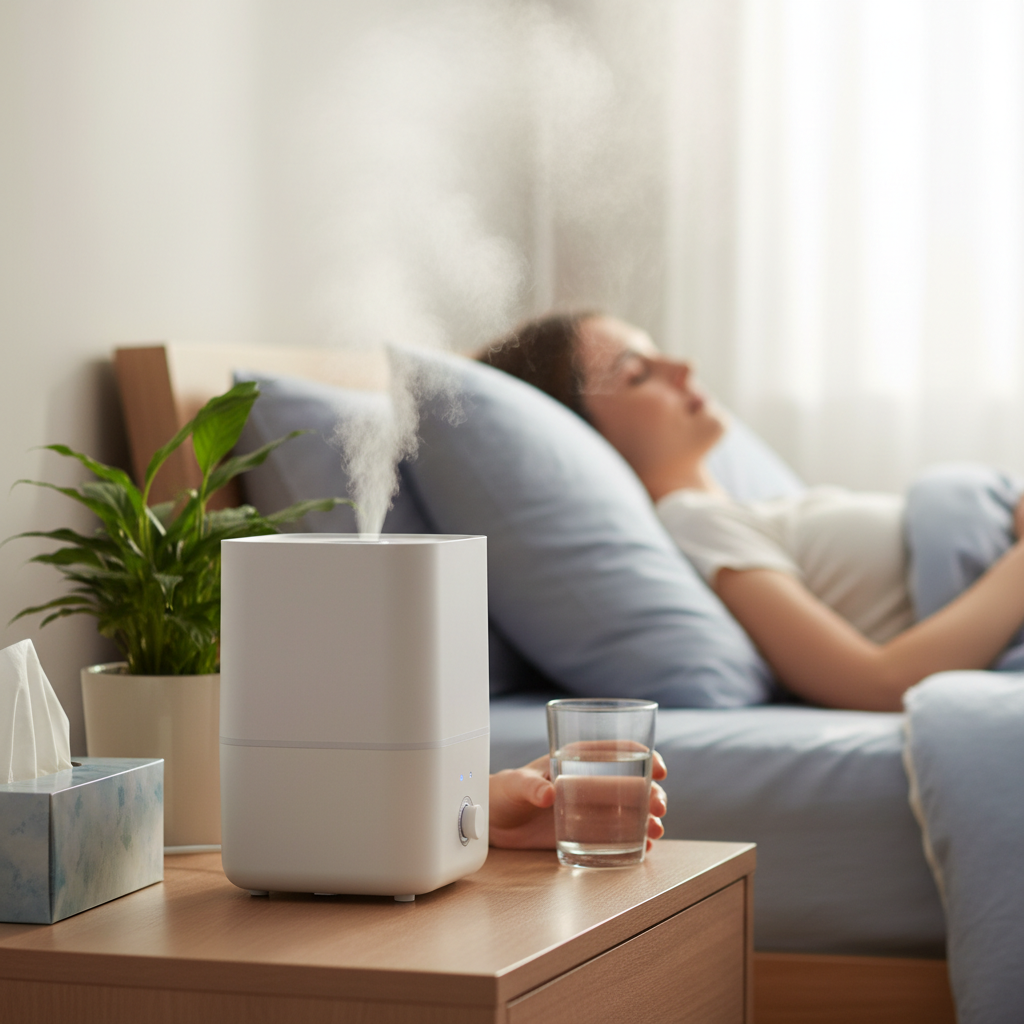
Imagine a perfect night’s sleep – undisturbed, peaceful, and refreshing. For light sleepers, however, even the slightest whir or hum can shatter this delicate tranquility. While the benefits of a humidifier for combatting dry air, soothing sinuses, and improving skin health are undeniable, finding one that won’t disrupt your precious sleep is paramount. This comprehensive guide is designed to help you navigate the world of humidifiers, focusing on whisper-quiet models that offer optimal comfort without a peep.
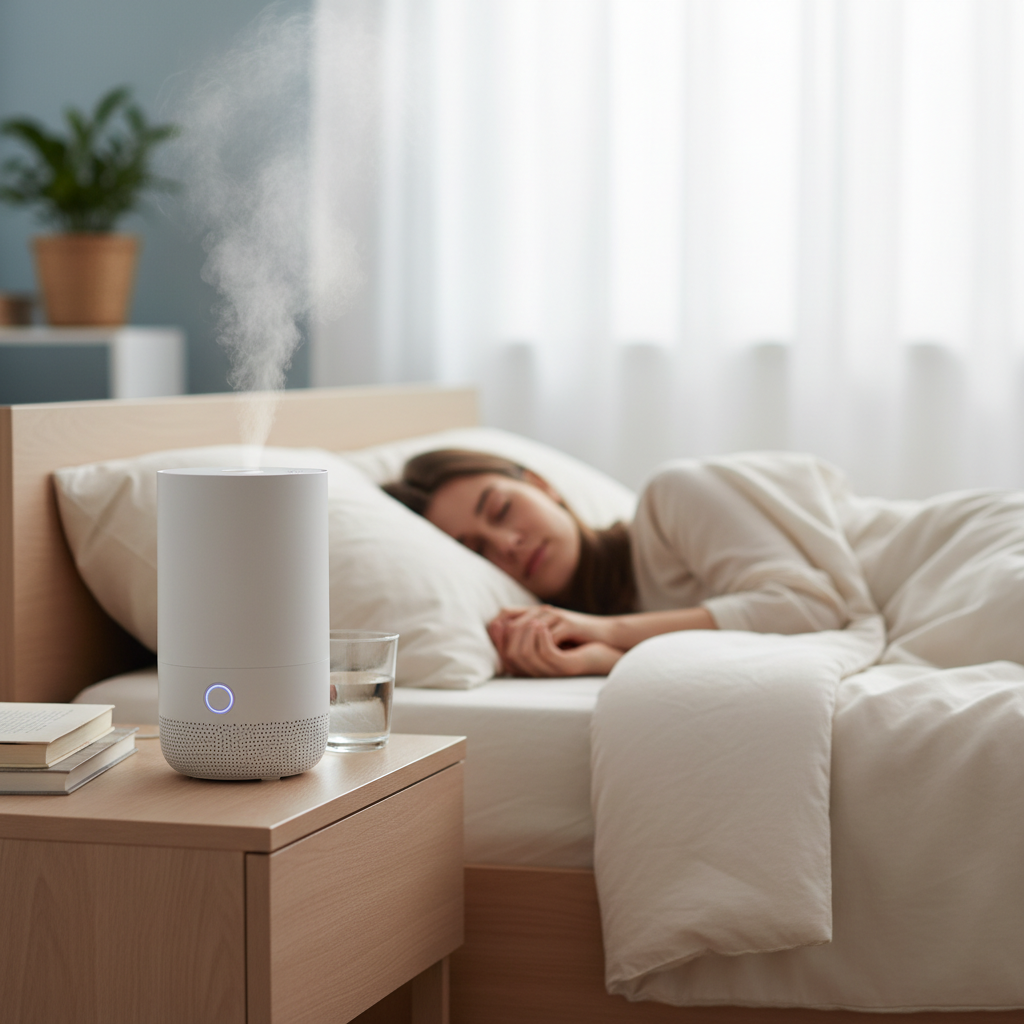
What is a Humidifier and Why Do Light Sleepers Need One?
|
Our Picks for the Best Humidifier in 2026
As an Amazon Associate I earn from qualifying purchases.
|
||
| Num | Product | Action |
|---|---|---|
| 1 | Humidifiers for Bedroom Large Room with 7L/1.85Gal Large Humidifier, Smart App & Remote Control, 4 Mist Levels Large Room Humidifiers for Home Midnight |

|
| 2 | Dreo Humidifiers for Bedroom, 4L Top Fill for Large Room, 36H Runtime, 28 dB Quiet Supersized Cool Mist Air Humidifier for Baby Nursery, Plants, Indoor, Night Light, Easy to Clean & Fill, White |
|
| 3 | BOXING 3L Cool Mist Humidifiers, Ultra Quiet 20dB for Bedroom, Baby & Office, Top Fill Air Humidifier for Large Room Home & Indoor Plants, 30H Runtime, Essential Oil Tray, Night Light, BPA-Free, White |
|
| 4 | Dreo Smart Humidifiers for Bedroom, Top Fill 4L Supersized Humidifier Large Room with 28 dB, 36H Runtime, Touch/APP/Voice Control, Nightlight, Cool Mist Humidifiers for Baby, Plants, Indoor, Black |
|
| 5 | LEVOIT Humidifiers for Bedroom Large Room Home, (6L) Cool Mist Top Fill Essential Oil Diffuser for Baby & Plants, Smart App & Voice Control, Rapid Humidification & Auto Mode - Quiet Sleep Mode, Gray |
|
| 6 | MegaWise Topfill 7-colour Night light humidifier for Kid bedroom with 3.5L Large Capacity, No leakage Design Fine Mist Output Auto Shutoff, Essential Oil Safe Tank |
|
| 7 | LEVOIT Top Fill Humidifiers for Bedroom, 2.5L Tank for Large Room, Easy to Fill & Clean, 28dB Quiet Cool Mist Air Humidifier for Home Baby Nursery & Plants, Auto Shut-off for Safety, 25H |
|
| 8 | BREEZOME 6L Humidifiers for Bedroom Large Room & Essential Oil Diffuser, Ultrasonic Top Fill Cool Mist Humidifiers for Baby, Plants, Nursery Last up to 60 Hours, Smart Humidistat Control, Quiet, Black |
|
| 9 | Homvana Humidifiers for Bedroom Home, 3.6 L Cool Mist Top-Fill 34H Super Long Time, Quiet 23dB, Baby Humidifier, Oil Diffuser for Large Room, House, Plant, Nursery, Office, BPA FREE, Ultrasonic (Grey) |
|
| 10 | LEVOIT - Humidifiers for Bedroom - Quiet (3L Water Tank) - Cool Mist/Top Fill/Essential Oil Diffuser/25Watt - Home/Large Room - 360° Nozzle - Rapid Ultrasonic Humidification for Baby Nursery/Plant |
|
A humidifier is an appliance that releases water vapor or mist into the air, increasing the humidity level in a room. This added moisture offers a myriad of benefits, particularly for those sensitive to dry indoor environments. During colder months or in naturally arid climates, heating systems can strip the air of essential moisture, leading to a host of uncomfortable symptoms. These can include dry skin, chapped lips, irritated nasal passages, a scratchy throat, and even nosebleeds. For light sleepers, these physical discomforts are compounded by the potential for restless nights, frequent awakenings, and a general decline in sleep quality. A properly humidified room (ideally between 40-60% relative humidity) can significantly alleviate these issues, promoting healthier skin, easier breathing, and a more comfortable sleep environment.
Understanding Humidifier Types: Noise Levels and Performance
Not all humidifiers are created equal, especially when it comes to noise output. Understanding the different types and their operational mechanisms is crucial for light sleepers seeking an undisturbed night.
Evaporative Humidifiers:
- How they work: These humidifiers use a fan to draw air over a wet wick or filter, causing the water to evaporate naturally into the air.
- Pros: Generally affordable, energy-efficient, and less likely to produce “white dust” because minerals are typically trapped in the filter.
- Cons: The fan operation generates a continuous humming sound, which can range from a gentle white noise to a more disruptive whir. This continuous fan noise can be a significant drawback for light sleepers. They also require regular filter replacement, adding to maintenance costs and effort.
Ultrasonic Humidifiers:
- How they work: Utilizing high-frequency sound vibrations (beyond the range of human hearing), these units break water into a fine mist that is then dispersed into the air. They do not use a fan for mist creation but might have a small fan to circulate the mist.
- Pros: Generally the quietest type, often operating below 30 decibels (dB), making them virtually silent or “whisper-quiet.” This makes them ideal for bedrooms and nurseries. They are typically filter-free for mist production, though some may include optional filters.
- Cons: If using tap water, they can produce “white dust” – a fine residue of minerals deposited on furniture. This necessitates using distilled or demineralized water for optimal performance and to reduce cleaning frequency. They also require regular cleaning to prevent bacterial growth in the water tank.
Steam Vaporizers (Warm Mist Humidifiers):
- How they work: These humidifiers boil water to create a sterile steam that is released into the air.
- Pros: The steam is germ-free, and they can be beneficial for congestion. They are generally quiet once the water is boiling.
- Cons: The boiling element consumes more electricity, and the hot steam poses a burn risk, making them less suitable for households with children or pets. Some users may also notice gurgling sounds as the water heats.
Impeller Humidifiers:
- How they work: Similar to evaporative types, these use a rotating disc that flings water at a diffuser, breaking it into fine droplets.
- Pros: Filter-free and typically safe (no heating element).
- Cons: Often generate more noise than ultrasonic models due to moving parts and can create a noticeable mist stream. Less common for “quiet” categories.
Comparison Table: Humidifier Types for Quiet Operation
| Feature | Ultrasonic Humidifier | Evaporative Humidifier | Steam Vaporizer (Warm Mist) |
|---|---|---|---|
| Noise Level | Very Low (typically < 30 dB), virtually silent | Moderate (28-45 dB), continuous fan hum | Low (once water boils), may have gurgling |
| Mist Type | Cool mist | Cool mist | Warm mist (sterile) |
| Maintenance | Regular cleaning; distilled water recommended | Regular filter replacement; tank cleaning | Regular cleaning to prevent mineral buildup |
| White Dust | Possible with tap water | Rare (minerals trapped in filter) | Minimal (minerals settle in tank) |
| Energy Use | Generally energy-efficient | Moderate (due to fan) | Higher (due to heating element) |
| Safety | Low risk (cool mist) | Low risk (cool mist) | Burn risk (hot steam), not ideal for children/pets |
| Cost (Upfront) | Mid-range to High | Low to Mid-range | Low to Mid-range |
| Ideal For | Light sleepers, bedrooms, nurseries, plant lovers | Those who prefer a bit of white noise, general use | Congestion relief, sterile mist |
How to Choose a Quiet Humidifier: Key Factors for Serene Sleep
Selecting the right humidifier for a light sleeper involves more than just picking a popular brand. Consider these critical factors to ensure your choice truly brings peace to your nights.
-
Decibel (dB) Rating: This is your most important metric. Look for humidifiers explicitly stating a low decibel level, ideally below 30 dB. Many excellent options operate in the 25-28 dB range, which is quieter than a whisper and often imperceptible during sleep. Prioritize ultrasonic models, as they inherently produce less mechanical noise due to the absence of a large fan.
-
Room Size and Coverage Area: A humidifier’s capacity should match your bedroom size. Manufacturers typically specify the square footage a unit can effectively humidify. Choosing a humidifier too small for your room will mean it has to work harder, potentially increasing noise, or simply won’t achieve the desired humidity levels. Conversely, an oversized unit might over-humidify, leading to mold or mildew issues.
-
Tank Capacity and Run Time: For uninterrupted sleep, a humidifier with a large enough tank to run throughout the night (8-12 hours or more) on a single fill is essential. This prevents the need for refilling in the middle of the night, which can be disruptive. Look for models with long advertised run times.
-
Ease of Cleaning and Maintenance: A clean humidifier is a quiet and healthy humidifier. Stagnant water can become a breeding ground for bacteria and mold, which can then be dispersed into the air. For ultrasonic models, regular cleaning is vital to prevent bacterial growth and the buildup of mineral deposits (white dust). Features like wide tank openings or top-fill designs make cleaning and refilling much simpler. If choosing an evaporative model, factor in the cost and frequency of filter replacements.
-
Additional Sleep-Friendly Features:
- Auto-Shutoff: For safety and peace of mind, this feature automatically turns off the humidifier when the water level is low.
- Built-in Humidistat: Allows you to set your desired humidity level, and the unit will maintain it, preventing over-humidification and saving energy.
- Night Light/Display Controls: Opt for models with dimmable or defeatable night lights, or displays that can be turned off completely, to avoid any light pollution in your dark bedroom.
- Essential Oil Tray: If you enjoy aromatherapy for relaxation, some humidifiers include a separate tray for essential oils, allowing you to combine humidification with calming scents without damaging the unit.
- Top-Fill Design: Simplifies refilling the water tank, making it a quick and mess-free process.
-
Budget: Humidifiers come in a wide range of prices. While there are excellent quiet options across various price points, investing a little more in a reputable brand known for quiet operation can often guarantee better performance and durability.
Top Quiet Humidifiers for Light Sleepers
Based on extensive research and user feedback, several humidifiers consistently stand out for their exceptionally quiet operation, making them perfect companions for light sleepers.
-
Levoit Classic 200S/300S: These ultrasonic models are frequently praised for their near-silent operation, often rated around 25-30 dB. They offer a cool mist, substantial tank capacities for long run times, and smart features like app control on some models, allowing for scheduled operation and humidity adjustments without disturbing your sleep. Their top-fill design also makes them incredibly easy to refill and clean.
-
Levoit Oasis Mist 450S Smart: This versatile hybrid model offers both cool and warm mist options. While it has a fan for distribution, its hum is often described as a gentle “white noise whoosh” that is unlikely to wake a baby. The smart features via the VeSync app further enhance its convenience, allowing for precise control.
-
Honeywell HUL520B MistMate: A popular choice for bedrooms, this compact ultrasonic humidifier is lauded for its whisper-quiet performance and user-friendly design. It’s filter-free, easy to clean with a wide tank opening, and features a simple dial control for mist levels, making it a straightforward yet effective option for light sleepers.
-
Crane Drop Cool-Mist Humidifier: This iconic teardrop-shaped humidifier is well-regarded for its balance of performance, ease of use, and effective humidity coverage, coupled with excellent noise reduction. It’s a cool-mist, filter-free option that’s often recommended for nurseries and children’s rooms due to its quiet operation and safe design.
While other brands like GENIANI and HuPro also offer quiet models, the Levoit and Honeywell lines are consistently cited for their specifically low decibel levels and features tailored for a peaceful sleep environment.
“For light sleepers, the difference between a good night’s rest and a restless one can be as subtle as a hum. Prioritizing humidifiers with a decibel rating below 30 dB is crucial.”
Using and Maintaining Your Quiet Humidifier for Optimal Sleep
Even the quietest humidifier needs proper care and usage to maintain its performance and ensure a healthy sleep environment.
-
Optimal Placement: Position your humidifier on a flat, stable surface, at least a few feet away from your bed and walls. Avoid placing it directly on carpet or near sensitive electronics. Proper air circulation around the unit can help it run more efficiently and quietly.
-
Use Distilled Water (for Ultrasonic Models): To prevent “white dust” and reduce mineral buildup, which can affect performance and potentially create noise over time, always use distilled or demineralized water in ultrasonic humidifiers. This also prolongs the life of the unit and reduces the frequency of cleaning.
-
Regular Cleaning is Non-Negotiable: Mold, mildew, and bacteria thrive in stagnant water. Clean your humidifier’s tank and base thoroughly every few days, or at least once a week, using a mild disinfectant or white vinegar solution. Rinse all components well before refilling. A clean humidifier ensures healthy mist and prevents unwanted odors or noise from mineral deposits.
-
Maintain Ideal Humidity Levels: While humidifiers are beneficial, too much humidity can be as problematic as too little, leading to mold growth. Aim for indoor humidity levels between 40% and 60%. Many quiet humidifiers come with a built-in humidistat that allows you to set and maintain this optimal range automatically.
-
Addressing Common Issues:
- Gurgling Sounds: Sometimes, water bubbling from the tank to the base can create occasional gurgling. This is often normal but can be more noticeable in some models.
- Mineral Buildup: If you notice reduced mist output or unusual sounds, mineral buildup might be the culprit. Follow cleaning instructions diligently.
- Fan Noise in Evaporative Models: If your evaporative humidifier is louder than expected, check if the filter is clean and properly seated. A clogged filter can make the fan work harder.
Frequently Asked Questions About Quiet Humidifiers
Do humidifiers make noise?
Yes, most humidifiers make some noise, but ultrasonic models are designed to be exceptionally quiet, often operating below 30 decibels, making them ideal for bedrooms and light sleepers who are sensitive to sound.
What is a good dB level for a bedroom humidifier?
For light sleepers, a humidifier with a decibel (dB) level below 30 dB is considered excellent. Many top quiet models operate around 25-28 dB, which is quieter than a whisper and generally won’t disturb sleep.
Can a humidifier improve sleep quality?
Yes, by adding moisture to dry air, humidifiers can alleviate symptoms like dry sinuses, throat irritation, and coughing, making it easier to breathe and promoting a more comfortable and restful sleep, especially during dry seasons.
Is an ultrasonic or evaporative humidifier quieter?
Ultrasonic humidifiers are generally quieter than evaporative humidifiers. Ultrasonic units use high-frequency vibrations to create mist without a fan, while evaporative models use a fan to blow air over a wick, which produces a noticeable hum.
Do quiet humidifiers still produce white dust?
Quiet ultrasonic humidifiers can produce white dust if you use tap water, as the minerals in the water are dispersed into the air. Using distilled or demineralized water is highly recommended to prevent this issue.
Conclusion
For light sleepers, a good night’s rest is a treasure, and a noisy humidifier can quickly turn that treasure into a disturbance. By understanding the different types of humidifiers and prioritizing models with low decibel ratings and sleep-friendly features, you can create a truly serene and comfortable bedroom environment. Ultrasonic humidifiers, with their virtually silent operation, stand out as the top choice for those seeking to combat dry air without sacrificing precious sleep. Investing in a quiet, well-maintained humidifier not only promotes better respiratory health and skin hydration but also ensures the undisturbed, restorative sleep that every light sleeper deserves. What small change will you make tonight to enhance your sleep sanctuary?