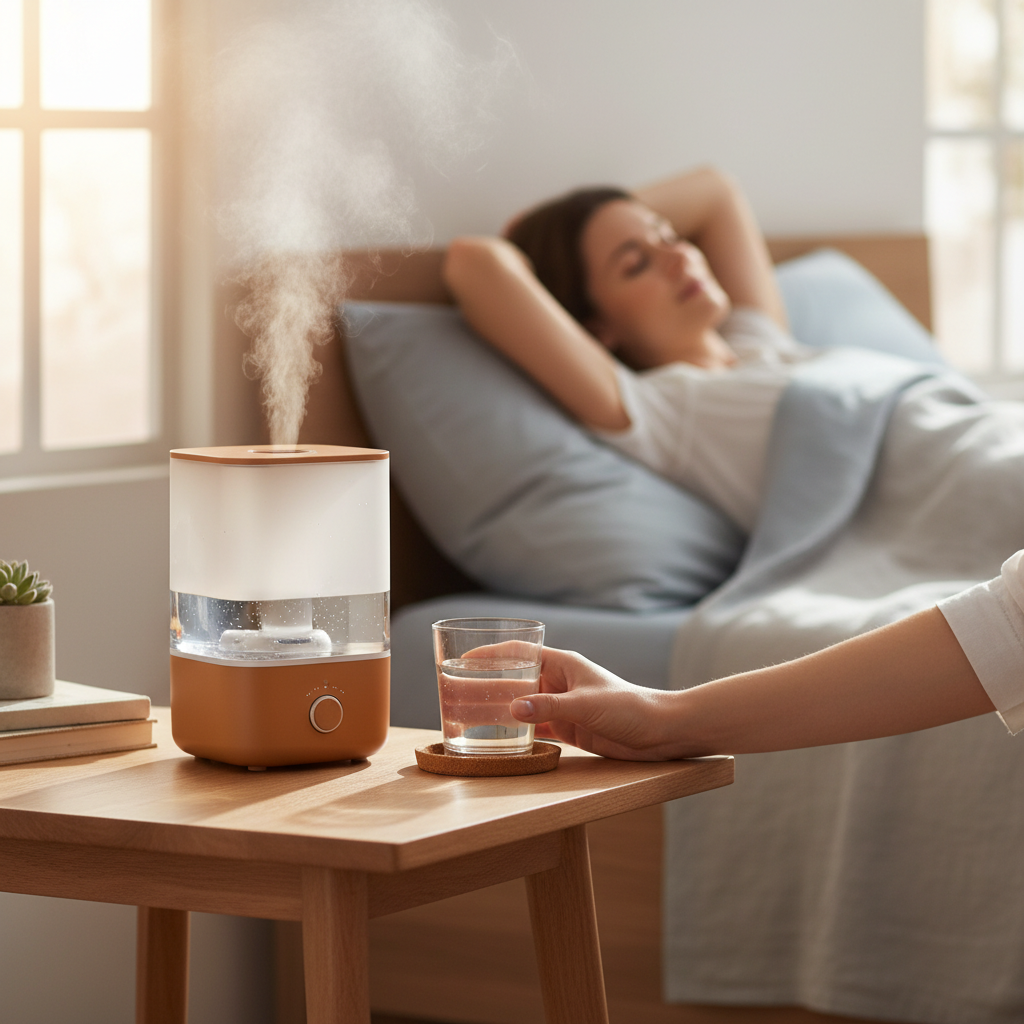
Do you often wake up with a stuffy nose, scratchy throat, or irritated eyes, especially during dry seasons? If so, the air quality in your home might be contributing to your discomfort. For many, a humidifier can be a game-changer, providing much-needed relief from persistent sinus issues and seasonal allergies. By carefully adding moisture to your indoor environment, these devices can transform your living space into a sanctuary of clearer breathing and enhanced well-being. This comprehensive guide will help you understand how humidifiers work, explore the different types available, and empower you to choose the perfect model to alleviate your sinus and allergy symptoms.
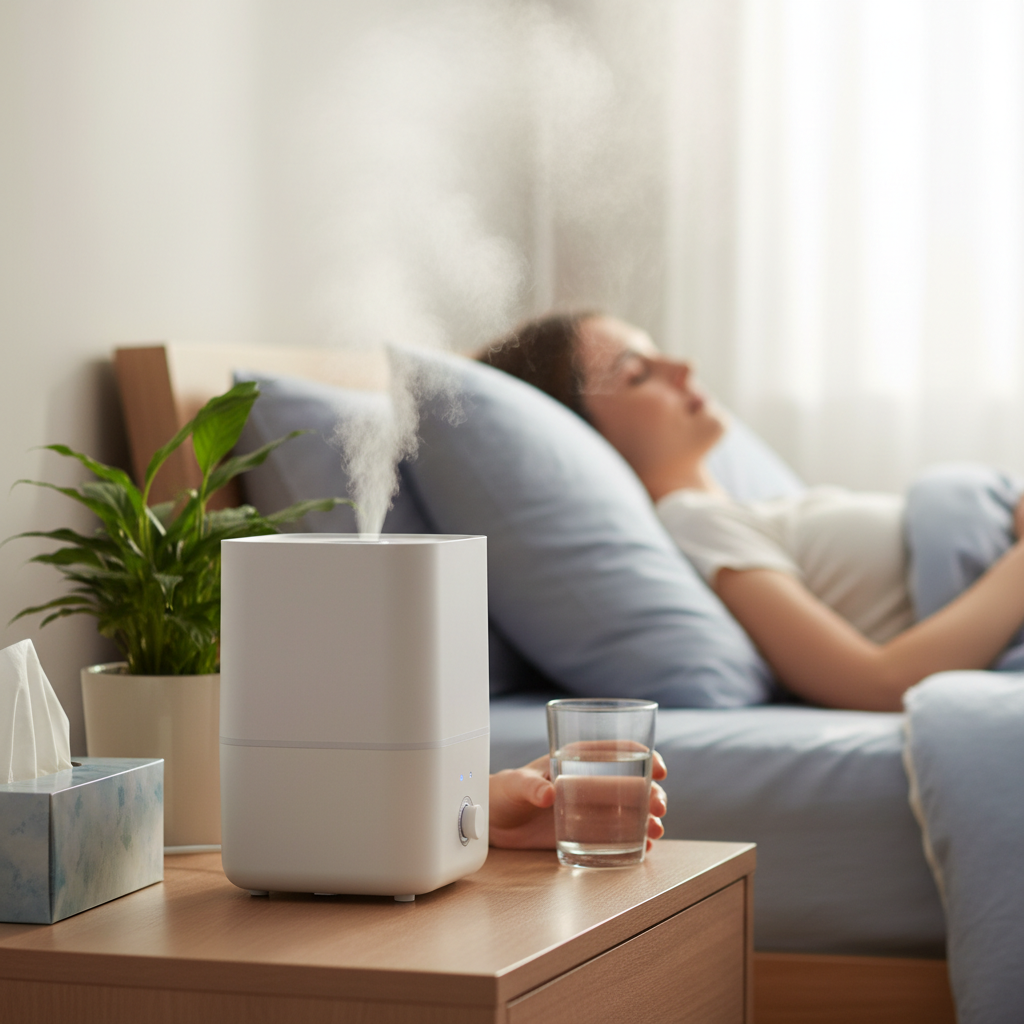
What is a Humidifier and Why Do You Need One?
A humidifier is an appliance that releases water vapor or mist into the air, increasing the humidity levels in a room or an entire house. While often associated with winter dryness, humidifiers play a crucial role year-round, especially for individuals battling sinus problems and allergies.
The benefits of maintaining optimal indoor humidity are extensive for respiratory health. Dry air can irritate sensitive nasal passages, thicken mucus, and make it harder for your body to naturally clear allergens and pathogens. By introducing moisture, a humidifier helps thin out mucus, making it easier to breathe and providing relief from congestion, coughing, and sore throats. It can also soothe inflamed nasal tissues and reduce the static electricity that keeps dust, pollen, and pet dander suspended in the air, allowing them to settle and be cleaned more easily.
Popular Humidifier Types: Pros and Cons
Understanding the different types of humidifiers is key to selecting the one that best suits your specific needs for sinus and allergy relief. Each technology offers distinct advantages and disadvantages.
Evaporative Humidifiers
Evaporative humidifiers work by drawing dry air through a moist wick filter and then releasing an invisible, fan-driven mist into the room. This process is self-regulating; the drier the air, the more moisture it absorbs, making it less likely to over-humidify your space.
- Pros: Energy-efficient and generally more affordable. They naturally prevent over-humidification and do not produce white dust, as minerals are trapped in the wick.
- Cons: Require frequent filter replacement, which adds to ongoing costs. The fan can produce some noise, and their effectiveness may be limited in very large rooms.
|
Our Picks for the Best Humidifier in 2026
As an Amazon Associate I earn from qualifying purchases.
|
||
| Num | Product | Action |
|---|---|---|
| 1 | MegaWise Topfill 7-colour Night light humidifier for Kid bedroom with 3.5L Large Capacity, No leakage Design Fine Mist Output Auto Shutoff, Essential Oil Safe Tank |

|
| 2 | LEVOIT - Humidifiers for Bedroom - Quiet (3L Water Tank) - Cool Mist/Top Fill/Essential Oil Diffuser/25Watt - Home/Large Room - 360° Nozzle - Rapid Ultrasonic Humidification for Baby Nursery/Plant |
|
| 3 | LEVOIT Top Fill Humidifiers for Bedroom, 2.5L Tank for Large Room, Easy to Fill & Clean, 28dB Quiet Cool Mist Air Humidifier for Home Baby Nursery & Plants, Auto Shut-off for Safety, 25H |
|
| 4 | LEVOIT Humidifiers for Bedroom Large Room Home, (6L) Cool Mist Top Fill Essential Oil Diffuser for Baby & Plants, Smart App & Voice Control, Rapid Humidification & Auto Mode - Quiet Sleep Mode, Gray |
|
| 5 | BOXING 3L Cool Mist Humidifiers, Ultra Quiet 20dB for Bedroom, Baby & Office, Top Fill Air Humidifier for Large Room Home & Indoor Plants, 30H Runtime, Essential Oil Tray, Night Light, BPA-Free, White |
|
| 6 | Dreo Smart Humidifiers for Bedroom, Top Fill 4L Supersized Humidifier Large Room with 28 dB, 36H Runtime, Touch/APP/Voice Control, Nightlight, Cool Mist Humidifiers for Baby, Plants, Indoor, Black |
|
| 7 | Homvana Humidifiers for Bedroom Home, 3.6 L Cool Mist Top-Fill 34H Super Long Time, Quiet 23dB, Baby Humidifier, Oil Diffuser for Large Room, House, Plant, Nursery, Office, BPA FREE, Ultrasonic (Grey) |
|
| 8 | Dreo Humidifiers for Bedroom, 4L Top Fill for Large Room, 36H Runtime, 28 dB Quiet Supersized Cool Mist Air Humidifier for Baby Nursery, Plants, Indoor, Night Light, Easy to Clean & Fill, White |
|
| 9 | BREEZOME 6L Humidifiers for Bedroom Large Room & Essential Oil Diffuser, Ultrasonic Top Fill Cool Mist Humidifiers for Baby, Plants, Nursery Last up to 60 Hours, Smart Humidistat Control, Quiet, Black |
|
| 10 | Humidifiers for Bedroom Large Room with 7L/1.85Gal Large Humidifier, Smart App & Remote Control, 4 Mist Levels Large Room Humidifiers for Home Midnight |
|
Ultrasonic Humidifiers
Utilizing high-frequency vibrations from a ceramic diaphragm, ultrasonic humidifiers transform water into a fine, cool mist. They are renowned for their quiet operation, making them a popular choice for bedrooms.
- Pros: Extremely quiet, making them ideal for use during sleep. They can produce either cool or warm mist (hybrid models) and often feature sleek designs.
- Cons: If tap water with high mineral content is used, they can produce “white dust” (mineral residue) that settles on surfaces and can be irritating to some individuals if inhaled. Requires distilled water for optimal performance.
Steam Vaporizers (Warm Mist Humidifiers)
Steam vaporizers, also known as warm mist humidifiers, heat water to boiling, producing a sterile steam that is released into the air. This boiling process kills any bacteria or mold in the water, making them an excellent choice for germ-free humidification.
- Pros: The warm mist can be particularly soothing for severe congestion and cold symptoms, helping to clear airways. The boiling process sanitizes the water, preventing the release of airborne germs.
- Cons: Higher energy consumption due to the heating element. The hot steam poses a burn risk, making them less suitable for homes with young children or pets.
Impeller Humidifiers
Impeller humidifiers use a rotating disc to break water into fine droplets that are then dispersed as a cool mist. Similar to ultrasonic models, they produce a cool mist but without the high-frequency vibrations.
- Pros: Generally safe as they don’t use a heating element. Easy to operate and often more affordable than other types.
- Cons: Can be noisier than ultrasonic models. They may also produce white dust if using hard water, similar to ultrasonic humidifiers, and are often less efficient at humidifying large spaces.
Comparison Table of Humidifier Types
| Feature | Evaporative Humidifiers | Ultrasonic Humidifiers | Steam Vaporizers | Impeller Humidifiers |
|---|---|---|---|---|
| Mist Type | Cool (invisible) | Cool or Warm | Warm (visible steam) | Cool |
| Noise Level | Moderate (fan) | Very quiet | Quiet | Moderate |
| Maintenance | Frequent filter changes | Regular cleaning to prevent white dust | Regular cleaning for mineral buildup | Regular cleaning to prevent mineral buildup |
| Energy Use | Low | Low | High | Low |
| White Dust | No | Yes (with hard water) | No | Yes (with hard water) |
| Safety (Burn) | Low | Low | High | Low |
| Cost | $$ | $$-$$$ | $$ | $ |
| Best For | General home use, no white dust preference | Bedrooms, quiet operation | Congestion, germ-free mist | Budget-conscious, basic humidification |
Buying Your Humidifier: Essential Factors to Consider
Choosing the right humidifier involves more than just picking a type. Several factors will influence its effectiveness and your satisfaction.
Room Size
Humidifiers are designed for specific coverage areas, usually measured in square feet. Using a humidifier too small for your room will be ineffective, while an oversized unit can lead to excessive humidity, promoting mold and dust mite growth. Always check the manufacturer’s recommended room size. For whole-house humidity, consider a large console unit or a system integrated with your HVAC.
Desired Humidity Level
For optimal health and to deter allergens like dust mites and mold, maintain indoor humidity between 40% and 60%. A built-in humidistat (hygrometer) allows the machine to automatically turn on and off to maintain your desired level, preventing over-humidification. This feature is crucial for allergy sufferers.
Budget
Humidifiers range widely in price, from under $50 for basic models to several hundred dollars for advanced, smart-enabled units. Consider not just the upfront cost but also ongoing expenses like filters (for evaporative models) and distilled water (for ultrasonic models).
Additional Features
Many modern humidifiers come with extra features that enhance convenience and performance:
- Auto Shut-off: Turns the unit off when the water tank is empty or when the desired humidity level is reached.
- Remote Control/Smart App Integration: Allows you to control settings from afar.
- Timer: Schedule operation for specific periods.
- UV Sterilization: Built-in UV light to kill bacteria and viruses in the water before mist dispersal.
- Essential Oil Tray: For aromatherapy benefits, though ensure it’s compatible to avoid damaging the unit.
- Quiet Operation: Especially important for bedrooms.
- Easy Top-Fill Tank: Simplifies refilling.
Trusted Brands
Several brands consistently receive high marks for reliability and performance. Look for models from manufacturers like Levoit, Honeywell, Pure Enrichment, Vicks, and Dreo, which are frequently recommended for their effectiveness and user-friendly designs.
Top Humidifiers for Sinus and Allergy Sufferers
Based on expert reviews and consumer feedback, certain humidifiers stand out for their ability to alleviate sinus and allergy symptoms:
- Levoit Classic 300S Smart Ultrasonic Cool Mist Humidifier: Often lauded for its quiet operation and smart features, including app control and integration with voice assistants. Its large tank capacity provides extended run times, and it includes an essential oil tray. This model is a top performer for medium-sized rooms, like bedrooms.
- Pure Enrichment MistAire Ultrasonic Cool Mist Humidifier: A popular choice for its compact design, quiet performance, and ease of use. It’s excellent for smaller spaces and offers reliable cool mist output for consistent relief.
- Honeywell HCM 350B Germ Free Humidifier: An evaporative model known for its patented UV technology that helps kill bacteria, mold, and fungi in the water, ensuring a cleaner mist. It’s suitable for larger rooms and is a strong contender for those concerned about germ dissemination.
- Vicks Warm Mist Humidifier: A classic choice, particularly effective for soothing severe congestion and coughs. It can be used with Vicks VapoSteam for enhanced respiratory relief, providing a warm, medicated mist.
- Dreo 713S Smart Humidifier: Praised for its excellent performance, stylish design, and smart features. It offers both warm and cool mist options, a large water tank, and a built-in humidity meter with auto mode for hassle-free operation.
These models represent a range of technologies and features, allowing you to find a humidifier that aligns with both your health needs and lifestyle.
Using and Maintaining Your Humidifier for Optimal Health
A humidifier can be a powerful tool for relief, but only if used correctly and maintained diligently. Improper use can actually worsen allergy symptoms by creating an environment conducive to mold and dust mite growth.
Proper Usage Tips
- Maintain Optimal Humidity: Aim for indoor humidity levels between 40% and 60%. Use a humidistat (either built-in or a separate device) to monitor levels.
- Use Distilled Water: Especially for ultrasonic humidifiers, using distilled or demineralized water prevents the release of white dust, which is mineral residue from tap water that can irritate the lungs and settle on furniture.
- Place Strategically: Position the humidifier on a flat, water-resistant surface, away from walls, electronics, and porous materials like curtains or upholstery to prevent moisture damage and mold growth.
- Run When Needed: Don’t run your humidifier 24/7 unless necessary. Use it when symptoms flare up or when the air feels dry.
- Avoid Over-Humidifying: If you notice condensation on windows or walls, the humidity is too high. Reduce the output or turn off the unit.
Essential Cleaning and Maintenance
Regular cleaning is paramount to prevent the growth of mold, mildew, and bacteria within the unit, which can then be dispersed into your air and trigger allergies or other respiratory issues.
- Daily Rinse: Empty the water tank and rinse it thoroughly with clean water every day.
- Weekly Deep Clean: At least once a week, or more frequently if used continuously, deep clean your humidifier. Disassemble the unit according to the manufacturer’s instructions.
- Vinegar Soak: Fill the water tank with white vinegar and let it sit for 20-30 minutes to loosen mineral deposits.
- Scrubbing: Use a soft brush or cloth to scrub away any film or mineral buildup from the tank, base, and nebulizer (for ultrasonic).
- Disinfect: Some manufacturers recommend a bleach solution (e.g., 1 teaspoon of bleach per gallon of water) for disinfection. Always rinse thoroughly multiple times to remove any bleach residue and odor before refilling.
- Replace Filters/Wicks: For evaporative humidifiers, replace filters or wicks according to the manufacturer’s schedule, typically every 1-3 months, as dirty filters can harbor mold and bacteria.
- Store Properly: When not in use for an extended period, clean and dry the humidifier completely before storing it in a cool, dry place.
“Consistent cleaning is the single most important factor in ensuring your humidifier provides health benefits rather than becoming a source of new allergens.” – Dr. Evelyn Reed, Environmental Health Specialist
Common Questions About Humidifiers
Humidifiers can seem straightforward, but many users have questions about their efficacy and maintenance. Let’s address some of the most common inquiries.
Can a humidifier worsen allergies?
Yes, if not properly maintained or if the humidity levels are too high. Excessive humidity (above 60%) creates an ideal breeding ground for dust mites and mold, both significant allergens. Using distilled water and cleaning your humidifier regularly are crucial to prevent this.
What is the ideal humidity level for allergy and sinus relief?
Experts recommend maintaining indoor humidity between 40% and 60%. This range is generally sufficient to moisten nasal passages and thin mucus without promoting the growth of common household allergens like dust mites and mold.
Should I use a cool mist or warm mist humidifier for allergies?
Both types can provide relief. Cool mist humidifiers are generally recommended for homes with children or pets due to the absence of hot steam. Warm mist humidifiers (steam vaporizers) can be particularly soothing for congestion and kill bacteria in the water through boiling.
How often should I clean my humidifier?
You should rinse and refill your humidifier’s water tank daily. A thorough deep cleaning, including descaling and disinfecting, should be performed at least once a week, or more frequently if you notice any buildup or if the unit runs continuously.
Can I use essential oils in any humidifier?
No, only use essential oils in humidifiers specifically designed with an aromatherapy tray or diffuser. Adding essential oils directly to the water tank of a standard humidifier can corrode plastic components and void your warranty.
Do humidifiers help with asthma?
Humidifiers can alleviate asthma symptoms exacerbated by dry air, such as irritated airways and thickened mucus. However, it’s vital to maintain appropriate humidity levels and keep the unit meticulously clean, as mold and dust mites (encouraged by high humidity) are common asthma triggers. Consult your doctor if you have asthma.
Conclusion
Navigating the world of humidifiers for sinus and allergy relief doesn’t have to be overwhelming. By understanding the different types, considering essential buying factors, and committing to diligent maintenance, you can find a device that significantly improves your indoor air quality and enhances your respiratory comfort. Remember that a humidifier is a tool to support your well-being, not a cure for underlying conditions. Prioritizing optimal humidity levels and regular cleaning will unlock its full potential, allowing you to breathe easier and live more comfortably.
Are you ready to discover the profound difference balanced indoor humidity can make in your life?
Frequently Asked Questions
What are the dangers of not cleaning a humidifier?
Failing to clean your humidifier regularly can lead to the growth and dispersal of mold, bacteria, and other microorganisms into the air. Inhaling these contaminants can worsen allergies, trigger asthma attacks, or even cause flu-like symptoms and respiratory infections.
Is cool mist or warm mist better for sinus infections?
For sinus infections and congestion, warm mist humidifiers can be especially soothing as the warm vapor helps to thin mucus and can feel more comforting. However, cool mist humidifiers are also effective at adding moisture and are safer around children and pets.
How do I know if my humidifier is working effectively?
You can verify your humidifier’s effectiveness by using a separate hygrometer (humidity monitor) placed across the room from the unit. It should show a consistent humidity level within the recommended 40-60% range.