Battling dry indoor air can be a persistent challenge, especially during colder months or in arid climates. From cracked skin and chapped lips to persistent coughs and sinus discomfort, the effects of insufficient humidity can significantly impact your comfort and well-being. Thankfully, humidifiers offer an effective solution by adding much-needed moisture back into your living space. But faced with the choice between cool mist and warm mist models, many wonder which is truly superior. Understanding the fundamental differences, advantages, and disadvantages of each type is crucial to selecting the perfect humidifier for your home and health needs. Let’s explore the world of humidifiers to help you make an informed decision.
Understanding Humidifiers: The Basics
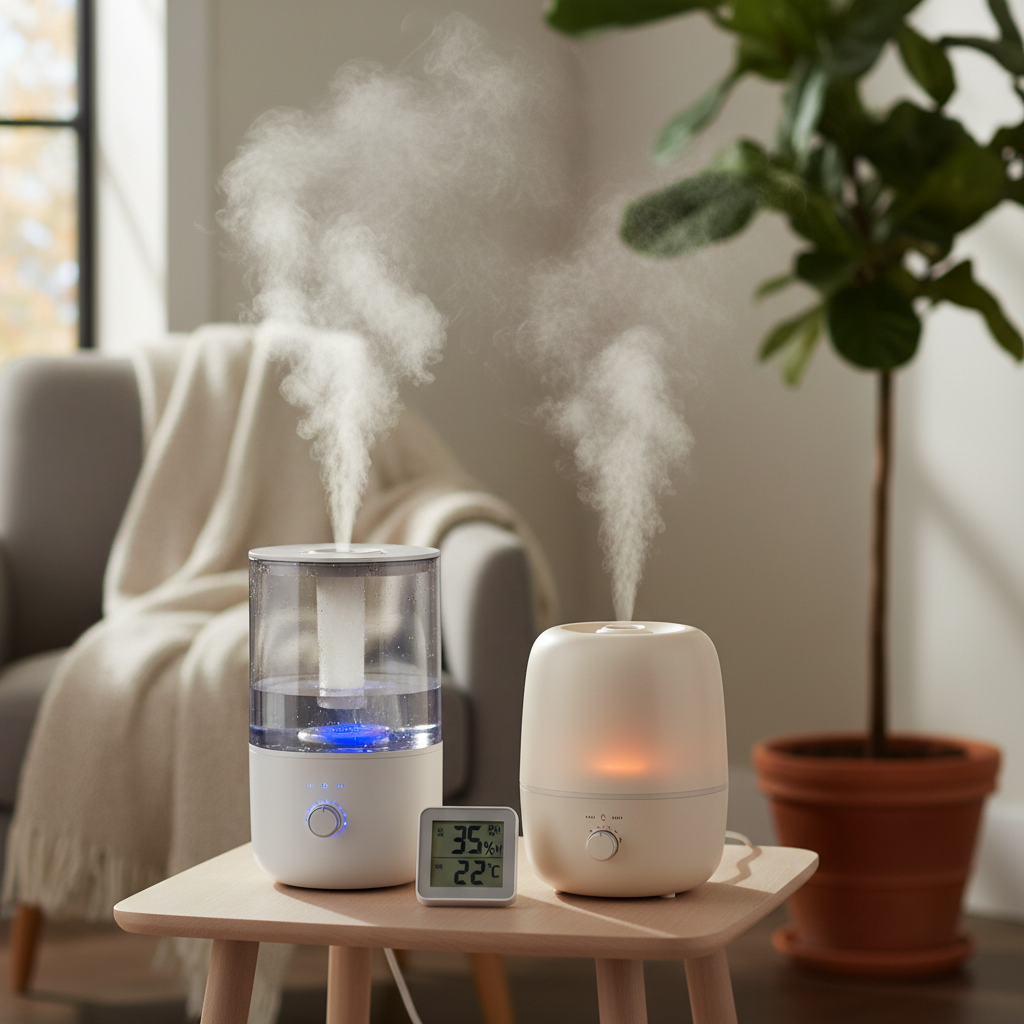
A humidifier is an appliance designed to increase the moisture level, or humidity, in a single room or an entire house. This process involves converting water into vapor and dispersing it into the air, creating a more comfortable and healthier indoor environment. Optimal indoor humidity levels, generally between 30% and 50%, are vital for several reasons. Proper humidity helps alleviate dry skin, soothe irritated throats and nasal passages, reduce static electricity, and can even protect wooden furniture and musical instruments from drying out and cracking. For those suffering from allergies, colds, or respiratory issues, maintaining adequate humidity can provide significant relief, helping to thin mucus and ease breathing.
Cool Mist Humidifiers: A Closer Look
Cool mist humidifiers are a popular choice, known for releasing room-temperature vapor into the air. They achieve this in two primary ways:
- Evaporative Humidifiers: These models use a fan to draw air through a wet wick filter. As the water evaporates from the filter, the fan disperses this invisible, cool moisture into the room. They are often self-regulating, as the rate of evaporation naturally slows as the room’s humidity increases, helping to prevent over-humidification.
- Ultrasonic Humidifiers: Utilizing high-frequency vibrations, ultrasonic humidifiers break water into an incredibly fine, cool mist that is then quietly released into the air. These models are typically filter-free and known for their nearly silent operation.
Advantages of Cool Mist Humidifiers
|
Our Picks for the Best Humidifier in 2026
As an Amazon Associate I earn from qualifying purchases.
|
||
| Num | Product | Action |
|---|---|---|
| 1 | BOXING 3L Cool Mist Humidifiers, Ultra Quiet 20dB for Bedroom, Baby & Office, Top Fill Air Humidifier for Large Room Home & Indoor Plants, 30H Runtime, Essential Oil Tray, Night Light, BPA-Free, White |

|
| 2 | BREEZOME 6L Humidifiers for Bedroom Large Room & Essential Oil Diffuser, Ultrasonic Top Fill Cool Mist Humidifiers for Baby, Plants, Nursery Last up to 60 Hours, Smart Humidistat Control, Quiet, Black |
|
| 3 | Dreo Humidifiers for Bedroom, 4L Top Fill for Large Room, 36H Runtime, 28 dB Quiet Supersized Cool Mist Air Humidifier for Baby Nursery, Plants, Indoor, Night Light, Easy to Clean & Fill, White |
|
| 4 | Homvana Humidifiers for Bedroom Home, 3.6 L Cool Mist Top-Fill 34H Super Long Time, Quiet 23dB, Baby Humidifier, Oil Diffuser for Large Room, House, Plant, Nursery, Office, BPA FREE, Ultrasonic (Grey) |
|
| 5 | LEVOIT Top Fill Humidifiers for Bedroom, 2.5L Tank for Large Room, Easy to Fill & Clean, 28dB Quiet Cool Mist Air Humidifier for Home Baby Nursery & Plants, Auto Shut-off for Safety, 25H |
|
| 6 | LEVOIT - Humidifiers for Bedroom - Quiet (3L Water Tank) - Cool Mist/Top Fill/Essential Oil Diffuser/25Watt - Home/Large Room - 360° Nozzle - Rapid Ultrasonic Humidification for Baby Nursery/Plant |
|
| 7 | MegaWise Topfill 7-colour Night light humidifier for Kid bedroom with 3.5L Large Capacity, No leakage Design Fine Mist Output Auto Shutoff, Essential Oil Safe Tank |
|
| 8 | LEVOIT Humidifiers for Bedroom Large Room Home, (6L) Cool Mist Top Fill Essential Oil Diffuser for Baby & Plants, Smart App & Voice Control, Rapid Humidification & Auto Mode - Quiet Sleep Mode, Gray |
|
| 9 | Humidifiers for Bedroom Large Room with 7L/1.85Gal Large Humidifier, Smart App & Remote Control, 4 Mist Levels Large Room Humidifiers for Home Midnight |
|
| 10 | Dreo Smart Humidifiers for Bedroom, Top Fill 4L Supersized Humidifier Large Room with 28 dB, 36H Runtime, Touch/APP/Voice Control, Nightlight, Cool Mist Humidifiers for Baby, Plants, Indoor, Black |
|
One of the most significant benefits of cool mist humidifiers is their safety, particularly in households with children or pets. Since they do not use a heating element, there is no risk of burns from hot water or steam, making them the recommended choice for nurseries and kids’ rooms. They are also generally more energy-efficient than warm mist models, as they don’t consume electricity to heat water. Cool mist humidifiers, especially evaporative types with fans, are often more effective at covering larger spaces, dispersing moisture over a wider area. For individuals with allergies, evaporative cool mist models with filters can be beneficial, as these filters can trap common allergens and impurities before the moisture is released. Furthermore, the cool mist can be particularly refreshing in warmer climates or during the summer months, as it doesn’t add any extra heat to the room.
Disadvantages of Cool Mist Humidifiers
Despite their many advantages, cool mist humidifiers do come with some drawbacks. Evaporative models, which rely on a fan, can produce a noticeable humming noise, which might be disruptive for light sleepers. Ultrasonic humidifiers, while quieter, can sometimes produce “white dust” – a fine residue left by minerals in hard tap water – that settles on furniture. To mitigate this, using distilled or demineralized water is often recommended. Both types require regular and thorough cleaning to prevent the growth and dispersal of mold and bacteria into the air. Evaporative models also necessitate periodic filter replacement, adding to maintenance costs and effort.
Warm Mist Humidifiers: A Soothing Option
Warm mist humidifiers operate by heating water to its boiling point, releasing a soothing, warm, visible steam into the air. This process is similar to a steam vaporizer, providing a comforting warmth along with increased humidity.
Advantages of Warm Mist Humidifiers
The primary advantage of warm mist humidifiers lies in their ability to offer a germ-killing benefit. The boiling process effectively sterilizes the water, leading to a cleaner mist being dispersed into the room, which can be particularly appealing during cold and flu season. They are often quieter in operation compared to evaporative cool mist models, as they typically do not use a fan, making them a popular choice for bedrooms. The warm vapor can be especially soothing for congestion, coughs, and irritated nasal passages, providing a sensation similar to inhaling steam from a hot shower. In colder climates, the subtle warmth added to the air can be a welcome comfort, helping to offset the dryness caused by indoor heating systems.
Disadvantages of Warm Mist Humidifiers
A significant concern with warm mist humidifiers is the burn risk associated with the hot water and steam. If tipped over, the boiling water can cause severe scalds, making them less suitable for homes with curious children or active pets. They also tend to have higher energy consumption due to the heating element required to boil the water. While the boiling process kills germs, it can also lead to a more rapid mineral buildup (scale) inside the unit, requiring more frequent and diligent cleaning. Furthermore, warm mist humidifiers generally produce a denser, heavier mist that doesn’t travel as far, making them less effective for humidifying large open spaces and better suited for smaller, enclosed rooms.
Cool Mist vs. Warm Mist: A Direct Comparison
Choosing between cool mist and warm mist humidifiers often boils down to prioritizing certain features based on your household’s specific needs and environment. Here’s a direct comparison of key factors:
| Feature | Cool Mist Humidifiers | Warm Mist Humidifiers |
|---|---|---|
| Safety | No burn risk; ideal for children/pets. | Burn risk from hot water/steam; caution required. |
| Noise Level | Evaporative can be noisy (fan); ultrasonic are quiet. | Generally quiet (no fan, gentle bubbling). |
| Energy Use | More energy-efficient (no heating element). | Higher energy consumption (boiling water). |
| Germ Control | Filters can trap some allergens/bacteria; can disperse if not cleaned. | Boiling kills most germs; cleaner mist. |
| Seasonal Suitability | Good for year-round, refreshing in warm climates. | Best for cold months, adds warmth and comfort. |
| Area Coverage | Better for larger rooms/open spaces (especially evaporative). | Best for smaller, targeted areas (e.g., bedrooms). |
| Maintenance | Regular cleaning; filter replacement (evaporative); white dust (ultrasonic, hard water). | Regular cleaning for mineral buildup; no filters. |
| Cost (General) | Varies widely; often good value. | Generally affordable; can be slightly more expensive for advanced models. |
Choosing the Right Humidifier for Your Needs
The “better” humidifier is truly the one that best aligns with your personal circumstances.
- For Families with Children or Pets: Safety is paramount. A cool mist humidifier is the safest choice to eliminate any risk of burns from hot water or steam.
- For Cold & Flu Season / Congestion Relief: Both types can provide relief. Warm mist offers a soothing, decongestant effect, while cool mist can help shrink swollen nasal passages. For children, cool mist is the safer option.
- For Allergy Sufferers: An evaporative cool mist humidifier with a good filter system can help trap airborne allergens and impurities, providing a cleaner mist.
- For Energy-Conscious Users: Cool mist humidifiers are generally more energy-efficient, which can lead to lower electricity bills, especially with continuous use.
- For Large vs. Small Spaces: If you need to humidify a larger living room or open-plan area, an evaporative cool mist humidifier is usually more effective. For a cozy bedroom or a small office, either type can work, but a warm mist might be preferred for its quietness and added warmth.
- Considering Climate and Season: In hot, dry climates or during summer, a cool mist humidifier is ideal as it won’t add extra heat. In chilly winter months, a warm mist humidifier can provide both moisture and a subtle comforting warmth.
Maintenance Matters: Keeping Your Humidifier Healthy
Regardless of whether you choose a cool mist or warm mist humidifier, diligent maintenance is non-negotiable for optimal performance and health safety.
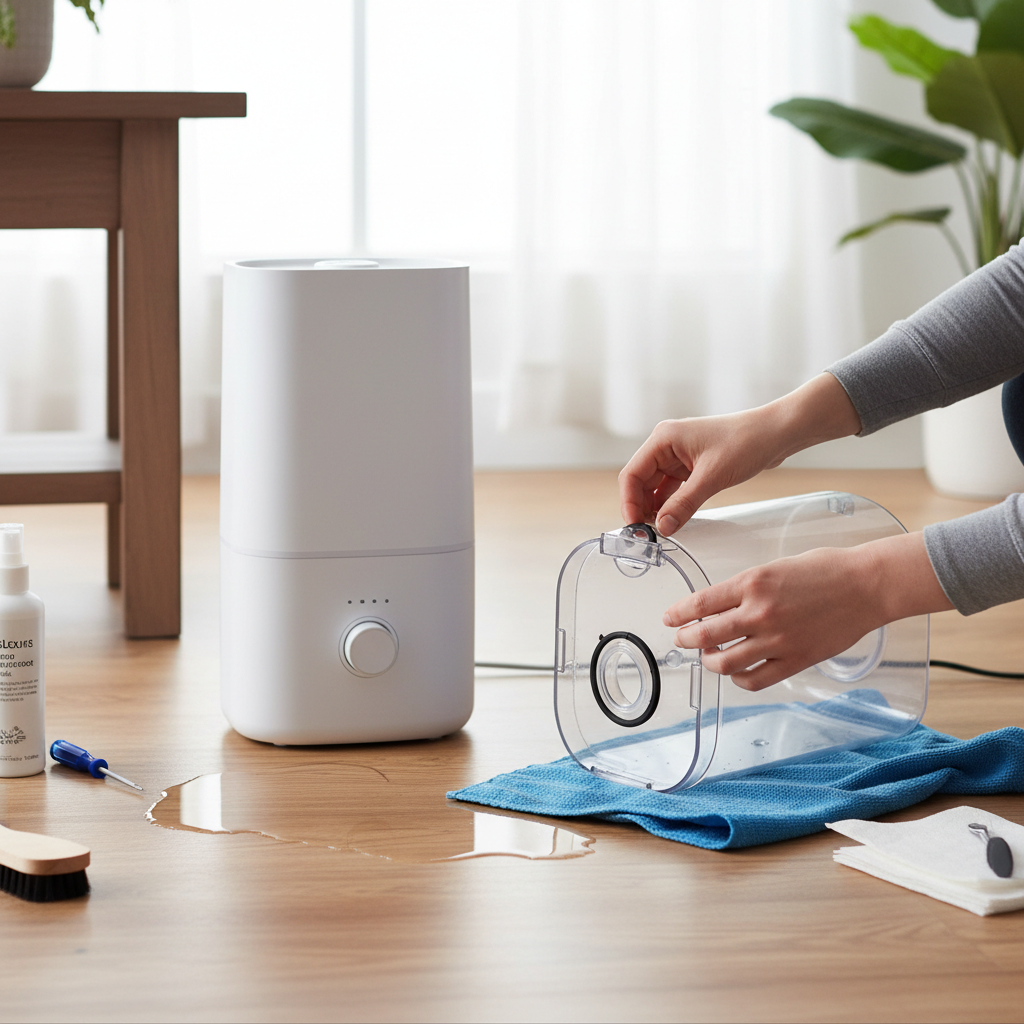
Regular Cleaning: Humidifiers can become breeding grounds for mold, bacteria, and mildew if not cleaned frequently. It’s recommended to empty and dry the tank daily and thoroughly clean the entire unit at least once a week according to the manufacturer’s instructions, typically using a vinegar solution or a mild disinfectant.
Water Type: To minimize mineral buildup and the potential for “white dust” (especially with ultrasonic cool mist models), consider using distilled or demineralized water instead of tap water, particularly if you live in an area with hard water.
Filter Replacement: For evaporative cool mist humidifiers, regularly check and replace filters as recommended by the manufacturer. Clogged or dirty filters reduce efficiency and can harbor contaminants.
“A humidifier’s effectiveness is only as good as its maintenance. Neglecting to clean your unit regularly can turn a beneficial device into a source of airborne irritants, negating any health advantages.” – Dr. Emily R. Carter, Environmental Health Specialist
Expert Insights on Humidifiers
The consensus among health professionals is that while both cool mist and warm mist humidifiers are effective at adding moisture to the air, safety should be the top priority, especially when humidifiers are used around vulnerable populations like infants and young children. The American Academy of Pediatrics, for instance, typically recommends cool mist humidifiers for children’s rooms to eliminate any burn risk. Furthermore, maintaining the recommended indoor humidity range of 30-50% is crucial; excessively high humidity can encourage mold growth and trigger respiratory issues.
“The subtle warmth from a warm mist humidifier can be incredibly comforting during a winter cold, offering gentle relief for irritated airways without feeling overpowering.” – James M. Anderson, Certified HVAC Technician
Conclusion
Both cool mist and warm mist humidifiers serve the vital purpose of enhancing indoor air quality by adding moisture, thereby alleviating discomfort from dry air. Your ultimate choice hinges on a careful consideration of your household’s specific needs, safety concerns, environmental preferences, and maintenance habits. While cool mist humidifiers stand out for their energy efficiency and child-friendliness, warm mist models offer a sterile, soothing steam that can be particularly comforting in colder seasons. By weighing the unique benefits and drawbacks of each type against your personal situation, you can confidently select the humidifier that will become your ideal indoor air companion, ensuring a healthier and more comfortable living space.
What factors will you prioritize in choosing your next humidifier?
Frequently Asked Questions
Is a cool mist or warm mist humidifier better for a baby?
For babies and young children, a cool mist humidifier is overwhelmingly recommended. It eliminates any risk of burns from hot water or steam, providing a safer environment while effectively adding moisture to help ease congestion and dry skin.
Which humidifier is best for cough and congestion?
Both cool mist and warm mist humidifiers can help relieve coughs and congestion. Warm mist offers a soothing, sauna-like effect, while cool mist can help reduce swelling in nasal passages. For children, cool mist is the safer option for congestion relief.
Do warm mist humidifiers kill germs?
Yes, warm mist humidifiers work by boiling water, a process that effectively kills most bacteria and viruses present in the water before the steam is released into the air, leading to a cleaner mist.
Can I use essential oils in any humidifier?
No, not all humidifiers are designed for essential oils. Using essential oils directly in the water tank of a non-compatible humidifier can damage internal components or clog filters. Always check if your humidifier has a dedicated essential oil tray or diffuser function.
How often should I clean my humidifier?
To prevent the buildup of mold, bacteria, and mineral deposits, it is crucial to clean your humidifier regularly. Empty and dry the water tank daily, and perform a thorough cleaning of the entire unit at least once a week, following the manufacturer’s specific instructions.