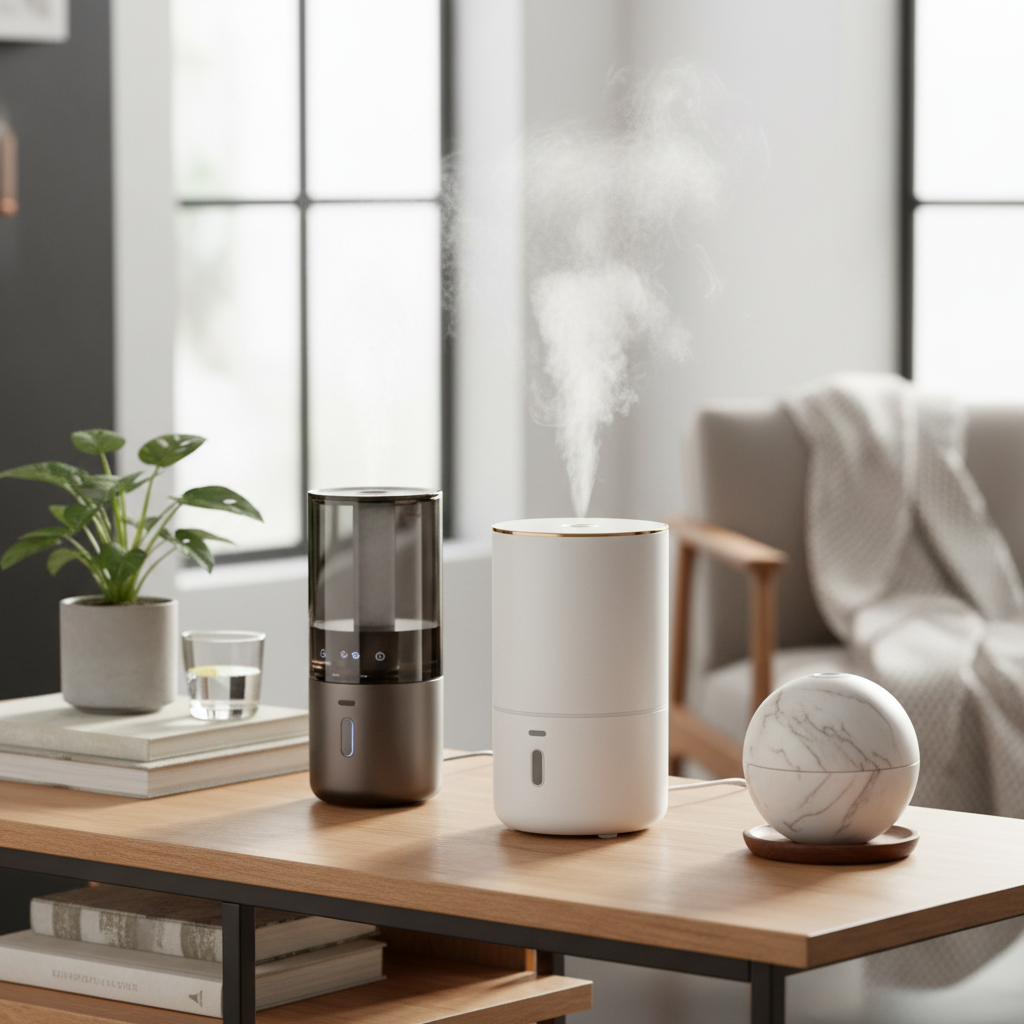
You bought a humidifier to bring comfort and healthy moisture into your home, expecting fresh, clean air. Instead, you’re met with an unwelcome, often unpleasant odor wafting from the mist. It’s a common, yet frustrating, experience to discover your air-improving device is actually making your air smell worse. Don’t worry; this isn’t a problem you have to live with. Understanding the root causes of these funky smells is the first step to banishing them for good and restoring the fresh, clean air you desire. This guide will walk you through the primary culprits behind humidifier odors and provide quick, effective solutions to keep your unit running cleanly and efficiently.
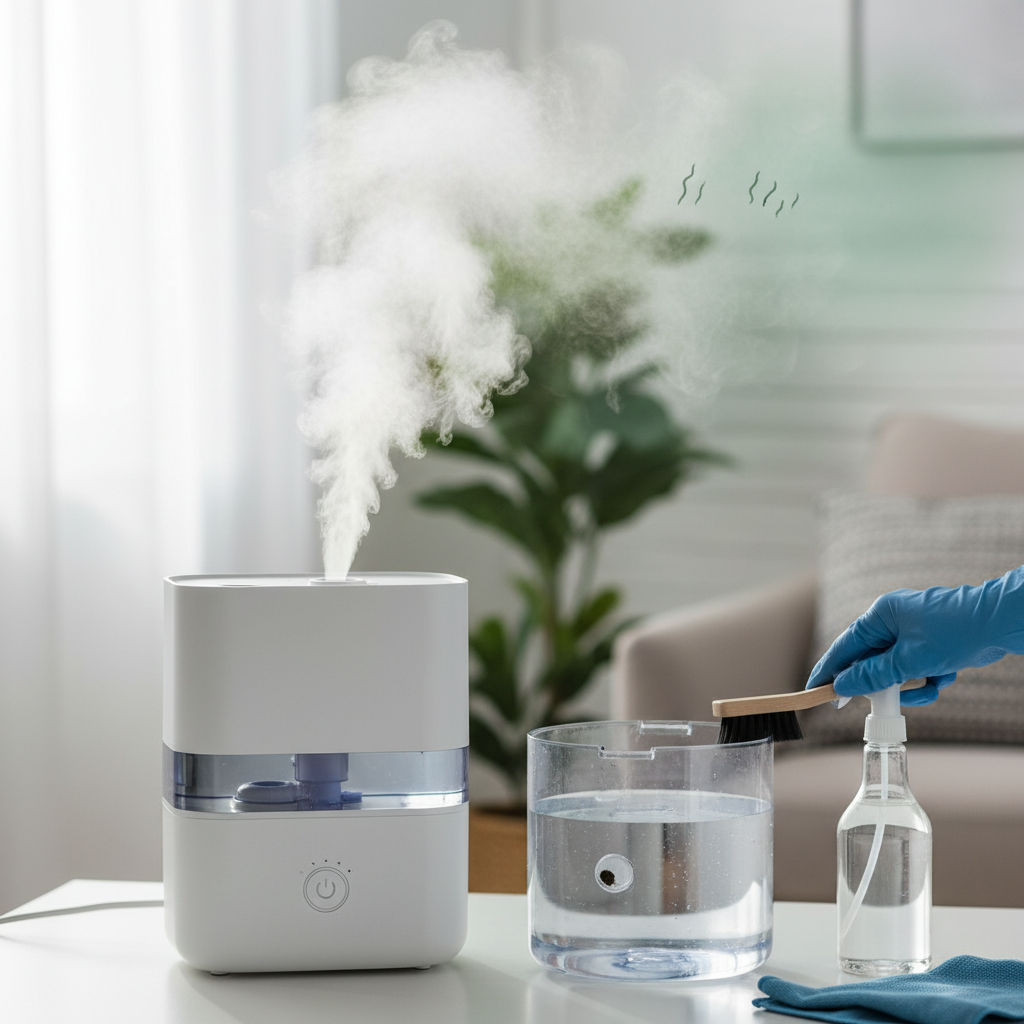
What is a Humidifier and Why Does it Smell?
A humidifier is designed to add moisture to the air, combating dryness that can lead to dry skin, irritated sinuses, and static electricity. It achieves this by releasing water vapor or mist into your environment. While beneficial, this constant interaction with water creates an ideal breeding ground for microscopic organisms and mineral deposits. The very moisture intended to improve your air can, if not properly managed, become the source of those unwelcome smells. The most common reasons for a smelly humidifier typically boil down to biological growth or mineral accumulation within the unit.
Common Causes of Humidifier Odors and How to Identify Them
Identifying the specific smell can often hint at its underlying cause, guiding you towards the most effective solution. Let’s break down the typical odors and what they mean for your humidifier.
Musty or Earthy Smell: The Mold and Mildew Menace
|
Our Picks for the Best Humidifier in 2026
As an Amazon Associate I earn from qualifying purchases.
|
||
| Num | Product | Action |
|---|---|---|
| 1 | LEVOIT Humidifiers for Bedroom Large Room Home, (6L) Cool Mist Top Fill Essential Oil Diffuser for Baby & Plants, Smart App & Voice Control, Rapid Humidification & Auto Mode - Quiet Sleep Mode, Gray |

|
| 2 | Dreo Smart Humidifiers for Bedroom, Top Fill 4L Supersized Humidifier Large Room with 28 dB, 36H Runtime, Touch/APP/Voice Control, Nightlight, Cool Mist Humidifiers for Baby, Plants, Indoor, Black |
|
| 3 | MegaWise Topfill 7-colour Night light humidifier for Kid bedroom with 3.5L Large Capacity, No leakage Design Fine Mist Output Auto Shutoff, Essential Oil Safe Tank |
|
| 4 | Humidifiers for Bedroom Large Room with 7L/1.85Gal Large Humidifier, Smart App & Remote Control, 4 Mist Levels Large Room Humidifiers for Home Midnight |
|
| 5 | BOXING 3L Cool Mist Humidifiers, Ultra Quiet 20dB for Bedroom, Baby & Office, Top Fill Air Humidifier for Large Room Home & Indoor Plants, 30H Runtime, Essential Oil Tray, Night Light, BPA-Free, White |
|
| 6 | Homvana Humidifiers for Bedroom Home, 3.6 L Cool Mist Top-Fill 34H Super Long Time, Quiet 23dB, Baby Humidifier, Oil Diffuser for Large Room, House, Plant, Nursery, Office, BPA FREE, Ultrasonic (Grey) |
|
| 7 | LEVOIT - Humidifiers for Bedroom - Quiet (3L Water Tank) - Cool Mist/Top Fill/Essential Oil Diffuser/25Watt - Home/Large Room - 360° Nozzle - Rapid Ultrasonic Humidification for Baby Nursery/Plant |
|
| 8 | BREEZOME 6L Humidifiers for Bedroom Large Room & Essential Oil Diffuser, Ultrasonic Top Fill Cool Mist Humidifiers for Baby, Plants, Nursery Last up to 60 Hours, Smart Humidistat Control, Quiet, Black |
|
| 9 | LEVOIT Top Fill Humidifiers for Bedroom, 2.5L Tank for Large Room, Easy to Fill & Clean, 28dB Quiet Cool Mist Air Humidifier for Home Baby Nursery & Plants, Auto Shut-off for Safety, 25H |
|
| 10 | Dreo Humidifiers for Bedroom, 4L Top Fill for Large Room, 36H Runtime, 28 dB Quiet Supersized Cool Mist Air Humidifier for Baby Nursery, Plants, Indoor, Night Light, Easy to Clean & Fill, White |
|
Have you ever walked into a damp basement and caught that distinct, stale, earthy aroma? If your humidifier emits a similar scent, mold and mildew are almost certainly the culprits. These fungi thrive in dark, damp environments, making your humidifier’s water tank and internal components their perfect home, especially when water is left stagnant for too long. As mold and mildew grow, they release spores and volatile organic compounds (VOCs) that create this characteristic musty smell. Not only is it unpleasant, but these spores can also be released into your air, potentially impacting respiratory health.
Sour or Yeast-like Smell: The Bacterial Bloom
If the odor coming from your humidifier reminds you of old, sour milk or fermented yeast, you’re likely dealing with a bacterial problem. Bacteria can multiply rapidly in standing water, particularly if the humidifier isn’t cleaned regularly. These microorganisms flourish on the surfaces of the water tank, the wick (in evaporative models), and other internal parts. As they reproduce, they produce metabolic byproducts that manifest as these sour or yeasty smells. A dirty filter, laden with dust and debris, can also become a breeding ground for bacteria once it gets wet, contributing to the foul odor.
Chemical, Metallic, or Urine-like Smell: The Hard Water Havoc
Living in an area with hard water means your tap water contains higher concentrations of minerals like calcium, magnesium, and sometimes sulfur or sodium. When this water evaporates in your humidifier, these minerals don’t vanish; they accumulate as scale or white dust on the unit’s surfaces. Over time, this mineral buildup can lead to a range of unpleasant chemical or metallic odors. In some cases, particularly with sulfur content, it can even produce a distinct, ammonia-like or urine-like smell. These deposits can also hinder your humidifier’s efficiency, reducing its mist output.
Step-by-Step Guide: Cleaning Your Humidifier to Eliminate Odors
Regular, thorough cleaning is the ultimate defense against humidifier odors. Here’s a comprehensive guide to deep clean your unit and restore its freshness.
Preparation and Disassembly
Before you begin any cleaning, safety first!
- Unplug the Humidifier: Always ensure the unit is disconnected from the power source to prevent electric shock.
- Disassemble: Carefully take apart all removable components, including the water tank, base, caps, and any filters or wicks. Consult your humidifier’s manual if you’re unsure how to disassemble it.
- Empty Water: Pour out any remaining water from the tank and base.
Cleaning the Water Tank and Base
This is where most of the microbial growth and mineral deposits occur.
- Vinegar Soak (for Mold, Bacteria, and Mineral Deposits):
- Fill the water tank halfway with undiluted white vinegar. Swish it around to coat the entire interior surface.
- Place smaller, soak-safe parts (like caps or nebulizers) into the vinegar solution if they fit.
- Let it sit for at least 30 minutes to an hour. For heavy buildup or stubborn smells, you can let it soak for several hours or overnight. Vinegar is a natural descaler and disinfectant.
- For the base, pour a small amount of vinegar into it and let it sit.
- Scrubbing:
- After soaking, use a soft-bristled brush, a bottle brush, or a sponge to scrub the interior of the tank and the base. Pay close attention to crevices, corners, and any visible buildup or slimy residue.
- For very stubborn mineral deposits, you can create a paste with baking soda and a little water, apply it to the affected areas, and scrub gently.
- Rinsing:
- Rinse all components thoroughly under cool, running water until the smell of vinegar is completely gone. Residual vinegar can create its own distinct odor when the humidifier is in use.
Cleaning or Replacing Filters and Wicks
Filters and wicks are critical components that can harbor odors.
- Inspect Filters: If your humidifier has a replaceable filter, inspect it for discoloration, stiffness, or any signs of mold or mildew.
- Replace Filters: If the filter is dirty, discolored, or showing signs of growth, it’s time to replace it. Follow your manufacturer’s recommendations for filter replacement frequency, typically every 1-3 months.
- Clean Wicks (if applicable and reusable): Some evaporative wicks are reusable. If yours is, soak it in a diluted vinegar solution (equal parts water and vinegar) for 20-30 minutes, then rinse thoroughly. If it’s heavily soiled or stiff, it’s best to replace it.
- No Filter? No Problem! Some ultrasonic humidifiers don’t have filters. In these cases, focus intensely on cleaning the water tank, mist nozzle, and transducer disc as described above.
Final Assembly and Drying
After cleaning, proper drying is crucial to prevent immediate re-growth.
- Air Dry Completely: Lay out all cleaned components on a clean towel or drying rack. Allow them to air dry completely before reassembling the humidifier. This can take several hours. Ensuring all moisture is gone is key to preventing mold and bacterial return.
- Reassemble: Once everything is thoroughly dry, reassemble your humidifier according to the manufacturer’s instructions.
- Refill with Fresh Water: Fill the tank with fresh, preferably distilled water, and your humidifier should now be free of odors.
Preventative Measures: Keeping Your Humidifier Fresh
An ounce of prevention is worth a pound of cure, especially when it comes to humidifier smells. Incorporating these habits will help keep your unit odor-free.
- Daily Rinsing: Empty the water tank and rinse it with fresh water daily, or after each use. Don’t let water sit in the tank for more than 24 hours, even if you plan to use it again soon.
- Weekly Deep Cleaning: Perform a more thorough cleaning, similar to the steps outlined above, at least once a week if you use your humidifier regularly. This prevents significant buildup.
- Use Distilled Water: If you have hard water, switching to distilled or demineralized water is one of the most effective ways to prevent mineral deposits and the associated odors. Filtered tap water can also help, but distilled water is best.
- Empty and Dry When Not in Use: If you’re not going to use your humidifier for a day or more, empty the tank completely and wipe down all internal surfaces to ensure they are dry before storing it.
- Proper Storage: When storing your humidifier for the off-season, give it a final deep clean, ensure it’s completely dry, and store it in a cool, dry place away from direct sunlight.
When to Call a Professional or Replace Your Humidifier
While most odor issues are easily resolved with diligent cleaning, there are instances when you might need to consider professional help or even a replacement.
If you’ve followed all the cleaning and preventative steps meticulously, used distilled water, and the foul odor still persists, it might indicate a deeper, more systemic problem. This could be an issue with internal components that are difficult to access, or a fault in the material itself that is continuously harboring microbial growth. Similarly, if your humidifier shows signs of physical damage, leaks, or other malfunctions that impact its safety or performance, it might be more cost-effective and safer to replace the unit altogether.
“A humidifier’s cleanliness directly impacts the air quality it produces. Neglecting routine maintenance not only leads to unpleasant smells but can also circulate harmful bacteria and mold spores, defeating the very purpose of humidification.” – Dr. Emily R. Carter, Environmental Health Specialist
Conclusion
A smelly humidifier is a clear signal that your unit needs attention, but it’s a problem with straightforward solutions. By understanding that mold, bacteria, and mineral deposits are the primary culprits, you can effectively tackle the issue. Regular cleaning—especially a weekly deep clean with white vinegar—and the use of distilled water are your best allies in maintaining a fresh, odor-free humidifier. Make these simple habits part of your routine, and you’ll ensure your humidifier continues to provide the clean, healthy air you expect, without any unwelcome surprises. When was the last time you gave your humidifier a thorough clean? Prioritize its maintenance, and breathe easier knowing your indoor air is truly pristine.
Frequently Asked Questions
Is it safe to use a humidifier that smells bad?
No, it is generally not safe to use a humidifier that smells bad. Unpleasant odors usually indicate the presence of mold, bacteria, or excessive mineral buildup. Operating such a humidifier can release these contaminants into your air, potentially causing respiratory issues, allergies, or other health problems, especially for sensitive individuals.
Can I use bleach to clean my humidifier?
Yes, you can use a diluted bleach solution (about one teaspoon of bleach per gallon of water) for disinfecting your humidifier. However, it is crucial to rinse all components thoroughly multiple times with clean water afterwards to remove all bleach residue. Bleach can be harsh and may degrade some plastic parts over time, so some manufacturers recommend vinegar as a safer alternative.
How often should I replace my humidifier filter?
The frequency of filter replacement depends on your humidifier model, water hardness, and usage. Generally, humidifier filters should be replaced every 1 to 3 months. Always consult your humidifier’s user manual for specific recommendations. A dirty or clogged filter can significantly reduce efficiency and contribute to bad odors.
Why does my new humidifier smell like plastic?
A new humidifier might emit a “new plastic” or chemical smell initially. This is usually due to off-gassing from manufacturing processes and is generally harmless, dissipating after a few uses. Running the humidifier in a well-ventilated area for a day or two before regular use, or cleaning it with a mild soap and water solution, can help eliminate this initial odor faster.