Humidifiers are often hailed as beneficial tools, offering relief from dry air, soothing irritated sinuses, and even protecting wooden furniture. They introduce much-needed moisture into the indoor environment, creating a more comfortable living space. However, this helpful appliance can quickly become a source of significant trouble if not used correctly. The very moisture intended to improve your home can, when excessive, create the perfect breeding ground for an unwelcome and potentially harmful guest: mold. Understanding the delicate balance of indoor humidity is crucial to harnessing the benefits of your humidifier without inadvertently inviting mold to thrive in your home. This article will delve into the critical link between over-humidification and mold growth, outlining why it happens, how to spot the signs, and most importantly, how to prevent it, ensuring your home remains a healthy sanctuary.
Understanding Humidity and Mold: The Delicate Balance
To grasp why over-humidification leads to mold, it’s essential to understand both humidity and mold itself. Humidity refers to the amount of water vapor present in the air. While some humidity is necessary for comfort and health, too much can be detrimental. Mold, a type of fungus, reproduces by releasing microscopic spores that are ubiquitous in the air, both indoors and out. These spores are largely dormant until they encounter the right conditions to germinate and grow.
The primary condition mold needs to flourish is moisture. When indoor humidity levels consistently rise above 60% relative humidity (RH), surfaces within your home can become damp as water vapor condenses. This dampness, combined with suitable temperatures and an organic food source (which most household materials provide), creates an ideal environment for mold spores to activate and form colonies. The U.S. Environmental Protection Agency (EPA) recommends maintaining indoor relative humidity between 30% and 50% to prevent mold growth and maintain a healthy environment.
How Excess Humidity Cultivates a Mold-Friendly Environment
Over-humidifying directly fuels mold growth through several interconnected mechanisms. It’s not just about the air feeling damp; it’s about the microscopic processes that begin to unfold.
The Science of Mold’s Feast
|
Our Picks for the Best Humidifier in 2026
As an Amazon Associate I earn from qualifying purchases.
|
||
| Num | Product | Action |
|---|---|---|
| 1 | LEVOIT Humidifiers for Bedroom Large Room Home, (6L) Cool Mist Top Fill Essential Oil Diffuser for Baby & Plants, Smart App & Voice Control, Rapid Humidification & Auto Mode - Quiet Sleep Mode, Gray |

|
| 2 | BREEZOME 6L Humidifiers for Bedroom Large Room & Essential Oil Diffuser, Ultrasonic Top Fill Cool Mist Humidifiers for Baby, Plants, Nursery Last up to 60 Hours, Smart Humidistat Control, Quiet, Black |
|
| 3 | Humidifiers for Bedroom Large Room with 7L/1.85Gal Large Humidifier, Smart App & Remote Control, 4 Mist Levels Large Room Humidifiers for Home Midnight |
|
| 4 | BOXING 3L Cool Mist Humidifiers, Ultra Quiet 20dB for Bedroom, Baby & Office, Top Fill Air Humidifier for Large Room Home & Indoor Plants, 30H Runtime, Essential Oil Tray, Night Light, BPA-Free, White |
|
| 5 | MegaWise Topfill 7-colour Night light humidifier for Kid bedroom with 3.5L Large Capacity, No leakage Design Fine Mist Output Auto Shutoff, Essential Oil Safe Tank |
|
| 6 | LEVOIT - Humidifiers for Bedroom - Quiet (3L Water Tank) - Cool Mist/Top Fill/Essential Oil Diffuser/25Watt - Home/Large Room - 360° Nozzle - Rapid Ultrasonic Humidification for Baby Nursery/Plant |
|
| 7 | Dreo Smart Humidifiers for Bedroom, Top Fill 4L Supersized Humidifier Large Room with 28 dB, 36H Runtime, Touch/APP/Voice Control, Nightlight, Cool Mist Humidifiers for Baby, Plants, Indoor, Black |
|
| 8 | Homvana Humidifiers for Bedroom Home, 3.6 L Cool Mist Top-Fill 34H Super Long Time, Quiet 23dB, Baby Humidifier, Oil Diffuser for Large Room, House, Plant, Nursery, Office, BPA FREE, Ultrasonic (Grey) |
|
| 9 | Dreo Humidifiers for Bedroom, 4L Top Fill for Large Room, 36H Runtime, 28 dB Quiet Supersized Cool Mist Air Humidifier for Baby Nursery, Plants, Indoor, Night Light, Easy to Clean & Fill, White |
|
| 10 | LEVOIT Top Fill Humidifiers for Bedroom, 2.5L Tank for Large Room, Easy to Fill & Clean, 28dB Quiet Cool Mist Air Humidifier for Home Baby Nursery & Plants, Auto Shut-off for Safety, 25H |
|
Mold spores are always present, waiting for their opportunity. When the air becomes overly saturated with moisture, these spores find it easier to absorb the water they need to begin growing. In environments with high humidity, mold spores can remain airborne longer, increasing their chances of settling on a suitable moist surface and taking root. Once they land on damp materials, they germinate quickly, allowing mold to spread rapidly.
Condensation: The Invisible Water Source
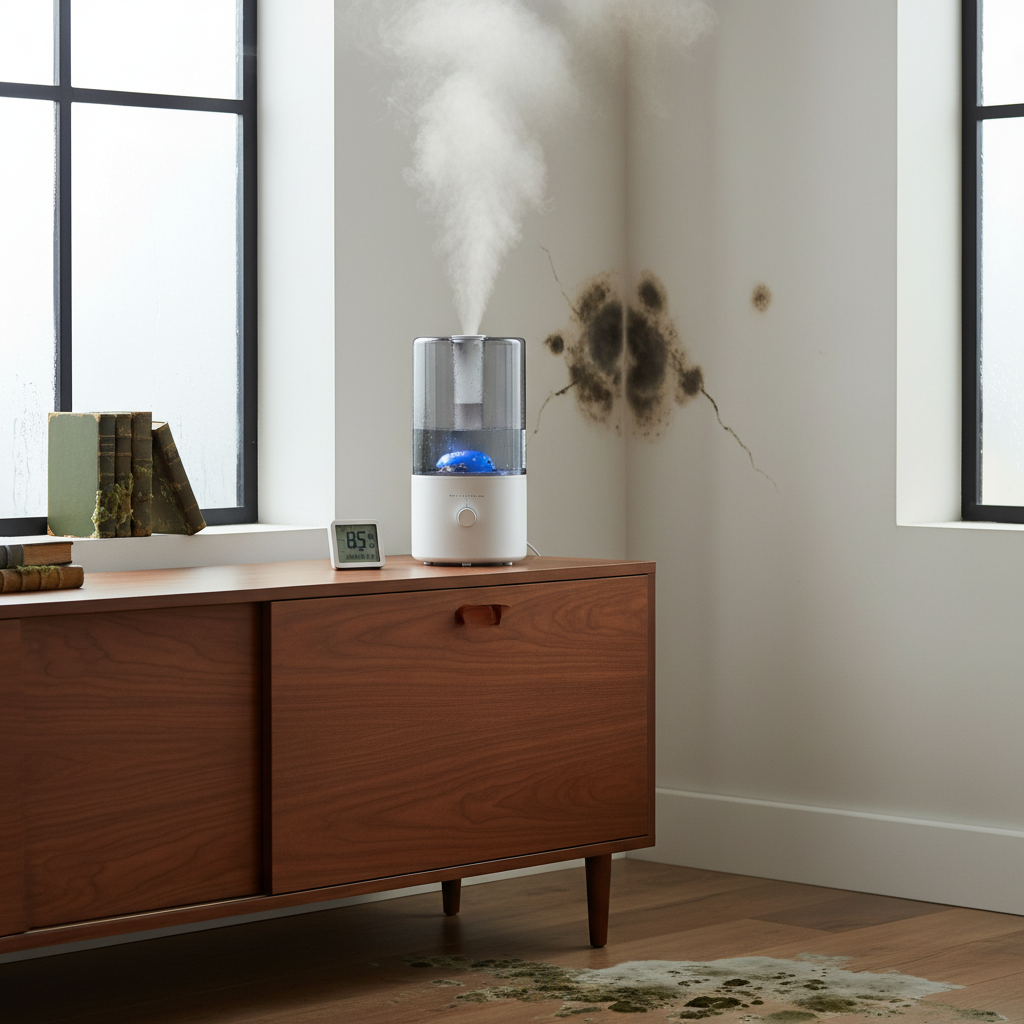
One of the most critical ways over-humidification leads to mold is through condensation. When warm, moisture-laden air comes into contact with cooler surfaces, such as windows, exterior walls, pipes, or even uninsulated corners, the water vapor in the air cools rapidly and turns back into liquid water. This condensation creates localized, high-moisture zones—micro-climates where mold can thrive, even if the general room humidity level seems acceptable. Materials like wood, drywall, and fabrics readily absorb this moisture, becoming persistent sources of dampness that mold spores adore.
Common Areas Affected
Mold can develop in virtually any part of your home where excess moisture is present. Bathrooms and kitchens are naturally humid due to showers, baths, and cooking. Basements are often damp due to proximity to the ground and poor air circulation. Attics can experience condensation from temperature fluctuations. Beyond these usual suspects, over-humidification can lead to mold on walls, ceilings, furniture, fabrics, and even within your HVAC system if moisture gets trapped in ducts and vents. This hidden mold can be particularly insidious, growing undetected behind surfaces.
Recognizing the Signs of Over-Humidification and Mold
Vigilance is key to preventing mold. Knowing the indicators of excessive humidity and early signs of mold growth can help you take timely action.
Indicators of High Humidity
- Condensation: Visible moisture on windows, mirrors, cold pipes, or exterior walls is a clear sign that your indoor air is too humid.
- Musty Odors: A stale, earthy, or musty smell, particularly in certain rooms or areas, often indicates the presence of mold, even if it’s not yet visible.
- Clammy Air: If the air in your home feels heavy, sticky, or uncomfortably damp, humidity levels are likely too high.
- Peeling Paint or Wallpaper: Excess moisture can cause paint to bubble and peel or wallpaper to lift away from walls.
- Warped Wood: Doors, window frames, or wooden furniture that appear to warp or swell can be a sign of high moisture absorption.
Signs of Mold Growth
- Visible Spots: Mold often appears as discolored patches—black, green, brown, white, or even orange—on surfaces. These spots can be fuzzy or slimy.
- Persistent Musty Smell: As mentioned, a musty odor is a strong indicator of mold, especially if it doesn’t dissipate with ventilation.
- Health Symptoms: Beyond visible and olfactory cues, mold exposure can trigger various health issues. These include respiratory problems like coughing, sneezing, wheezing, and congestion, particularly for individuals with asthma or allergies. Skin and eye irritation, such as redness and itching, are also common. In some cases, prolonged exposure can lead to more severe fungal infections or a flu-like illness known as “humidifier fever.”
Preventing Over-Humidification and Mold: Your Comprehensive Guide
Fortunately, preventing over-humidification and subsequent mold growth is entirely achievable with proper awareness and consistent habits.
Monitor Humidity Levels Diligently
The first step in controlling indoor humidity is knowing what your levels are.
- Use a Hygrometer: An inexpensive hygrometer (humidity monitor) is an indispensable tool for every home with a humidifier. Place it in the room where your humidifier is operating and in other common areas.
- Maintain Optimal Range: Aim to keep your indoor relative humidity between 30% and 50%. If your hygrometer reads above 50-60%, it’s time to take action.
Proper Humidifier Usage and Maintenance
Your humidifier, while beneficial, requires meticulous care to prevent it from becoming a mold incubator.
- Don’t Overuse: Avoid running your humidifier continuously, especially if you don’t have a built-in humidistat. Turn it off once the desired humidity level is reached.
- Use the Right Water: Always use distilled or demineralized water, particularly with ultrasonic humidifiers. Tap water contains minerals that can create “white dust” (mineral deposits) that can settle on surfaces and potentially provide a food source for mold. These minerals can also build up inside the unit, creating rough surfaces where mold can adhere.
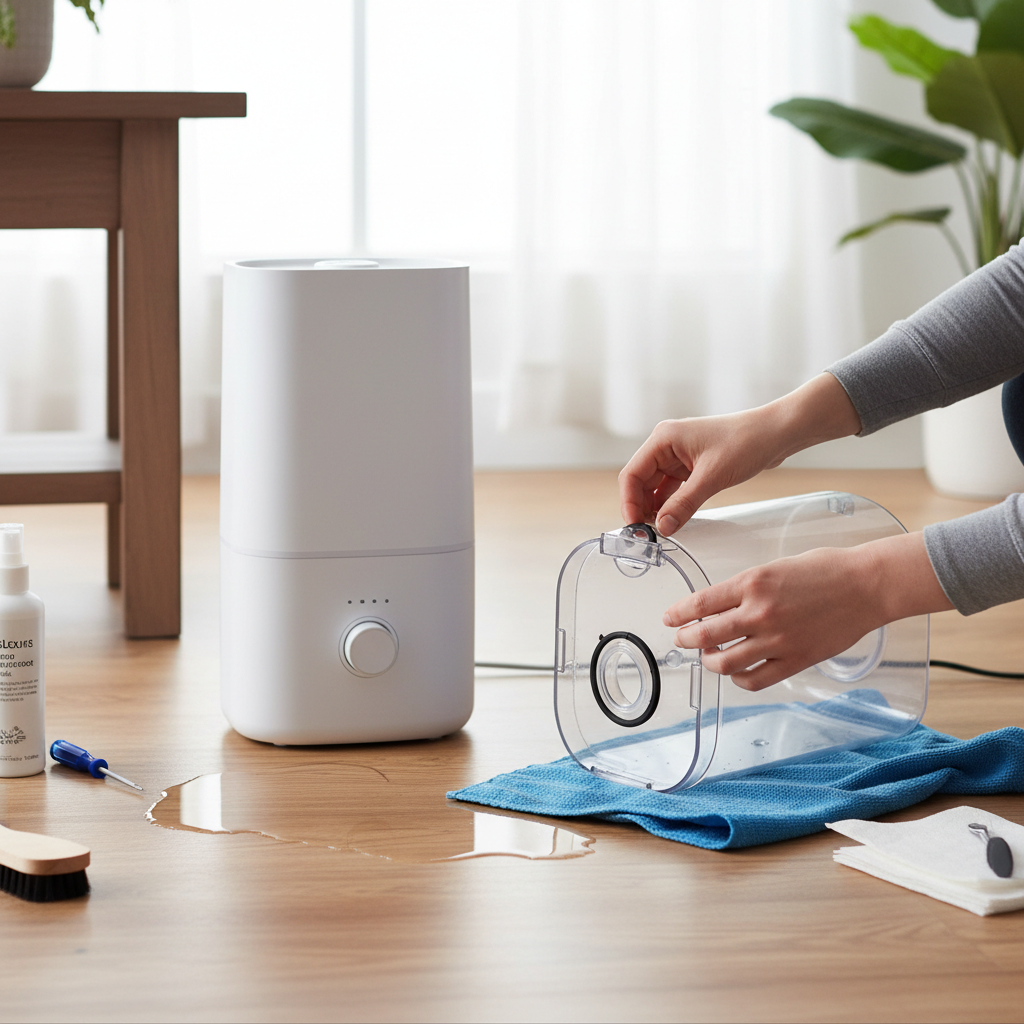
- Regular Cleaning: Clean your humidifier regularly according to the manufacturer’s instructions. Ideally, empty and rinse the water tank daily. Weekly, thoroughly clean the tank and base with a mild disinfectant, like a solution of white vinegar and water, to remove mineral deposits and inhibit mold growth.
- Replace Filters: If your humidifier uses filters, replace or clean them as recommended by the manufacturer. Dirty or old filters can harbor mold and bacteria, which can then be dispersed into the air.
- Strategic Placement: Position your humidifier in a well-ventilated space, away from walls, furniture, drapes, or electrical outlets. Placing it too close to surfaces can cause localized dampness and condensation, fostering mold.
Enhance Ventilation and Airflow
Good air circulation is vital for dissipating excess moisture.
- Ventilate Reliably: Use exhaust fans in bathrooms and kitchens during and after moisture-producing activities like showering or cooking.
- Open Windows: When outdoor humidity is low, open windows to allow fresh air to circulate and help reduce indoor moisture.
- Ensure Airflow: Make sure furniture is not pushed directly against walls, allowing air to circulate freely.
Control Other Moisture Sources
Humidifiers aren’t the only source of indoor moisture.
- Fix Leaks Promptly: Address any leaks from roofs, pipes, or appliances immediately.
- Dry Wet Areas: Wipe down spills and dry wet surfaces in bathrooms and kitchens promptly.
- Consider a Dehumidifier: In naturally damp areas like basements or during very humid seasons, a dehumidifier can be more effective than an AC unit in removing excess moisture from the air.
Choose Smart Humidifiers
When selecting a new humidifier, look for features that aid in preventing over-humidification.
- Built-in Humidistat: Many modern humidifiers come with an integrated humidistat that automatically monitors and adjusts humidity levels, shutting off when the set point is reached.
- Auto-Shutoff: This feature prevents the humidifier from running continuously and potentially over-humidifying your space.
- Smart Features: Some advanced models can connect to apps, allowing for remote monitoring and control of humidity levels.
What to Do If You Find Mold
If you discover mold in your home, immediate action is crucial.
- Small Areas: For small patches of mold (less than 10 square feet), you can often clean it yourself using a mixture of water and detergent, or a diluted bleach solution (one cup of bleach per gallon of water). Always wear gloves, eye protection, and a mask.
- Large Infestations: For larger mold infestations, or if mold is present after water damage, it is best to consult with a qualified mold remediation professional. They have the expertise and equipment to safely remove mold and address its root cause.
“The key to preventing mold is consistent moisture control. A hygrometer is your best friend, and vigilant cleaning of your humidifier isn’t just a recommendation, it’s a necessity for a healthy home.” – Admin, Reviewook.com, Humidifier Specialist
Conclusion
Humidifiers can be wonderful allies in creating a comfortable indoor environment, particularly in dry conditions. However, the delicate balance of indoor humidity demands respect. Over-humidifying your home directly contributes to mold growth, leading to potential structural damage and significant health concerns. By understanding the optimal humidity levels, meticulously maintaining your humidifier, and employing smart prevention strategies, you can enjoy the benefits of humidified air without the unwelcome presence of mold. Take control of your home’s humidity today and foster a healthier, safer living space for everyone.
Are you proactively monitoring your home’s humidity levels, or is it a factor you might be overlooking?
Frequently Asked Questions
What is the ideal indoor humidity level to prevent mold?
The ideal indoor humidity level to prevent mold growth is generally between 30% and 50% relative humidity (RH). Levels consistently above 60% create favorable conditions for mold spores to germinate and thrive, leading to potential infestations.
Can a humidifier cause mold inside the unit itself?
Yes, a humidifier can absolutely cause mold to grow inside the unit if not properly maintained. Stagnant water, mineral deposits from tap water, and infrequent cleaning create a damp, nutrient-rich environment where mold and bacteria can quickly proliferate within the tank and internal components.
What are the health risks associated with mold caused by over-humidification?
Mold caused by over-humidification can lead to various health risks, including respiratory issues like coughing, wheezing, and nasal congestion, especially for individuals with asthma or allergies. Other symptoms can include skin and eye irritation, and in some cases, fungal infections or “humidifier fever.”
How can I tell if my humidifier is over-humidifying my home?
Signs that your humidifier is over-humidifying your home include condensation on windows, cold surfaces, or pipes, a persistent musty odor, clammy-feeling air, and physical signs like peeling paint or warping wood. Using a hygrometer to monitor humidity levels is the most accurate way to tell.
Should I use tap water or distilled water in my humidifier to prevent mold?
To prevent mold and mineral buildup, it is highly recommended to use distilled or demineralized water in your humidifier. Tap water contains minerals that can leave deposits, providing surfaces for mold to grow and contributing to “white dust” that can spread mold spores.