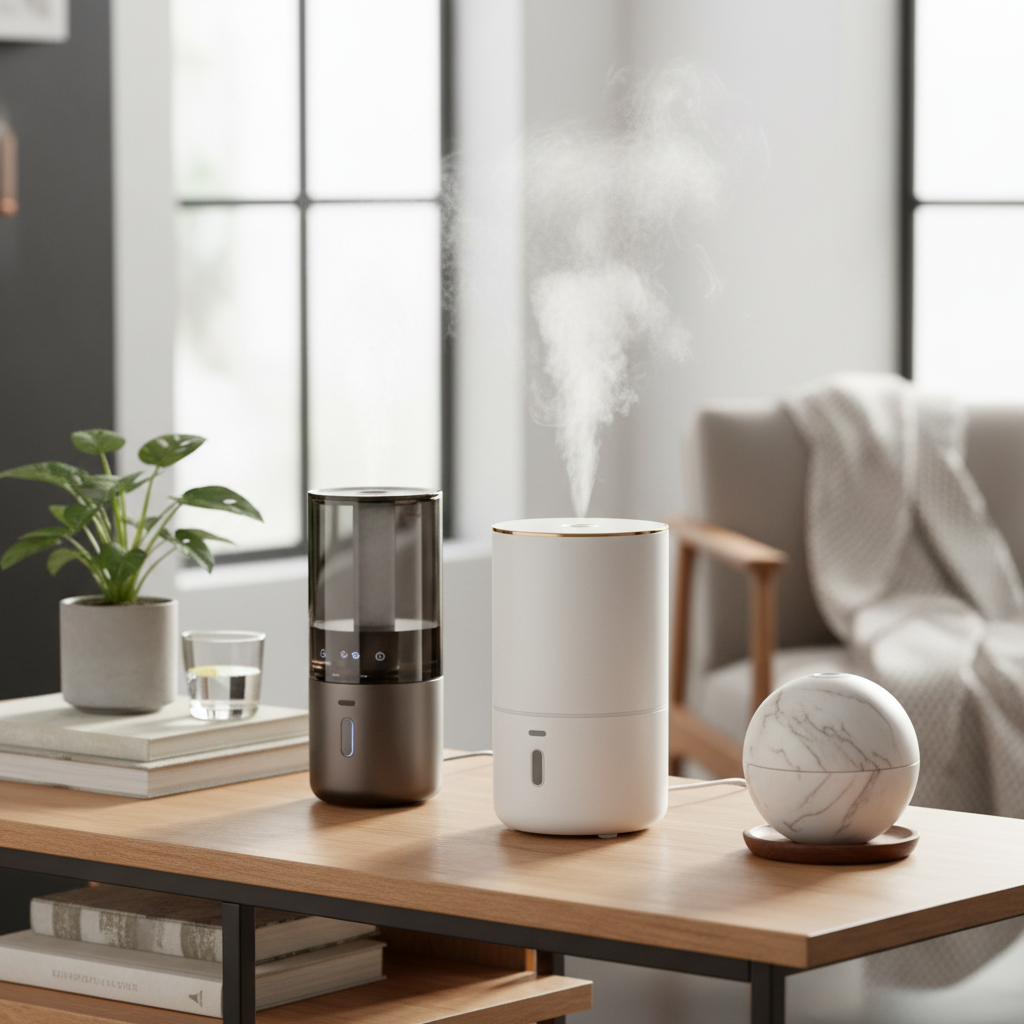
Are you tired of constantly replacing expensive humidifier filters, only to find mold and mineral buildup lurking in hard-to-reach crevices? You’re not alone. Many homeowners seek a simpler, more hygienic solution to combat dry indoor air. Filterless humidifiers offer a refreshing alternative, promising easy maintenance and continuous comfort without the recurring cost and hassle of filters.
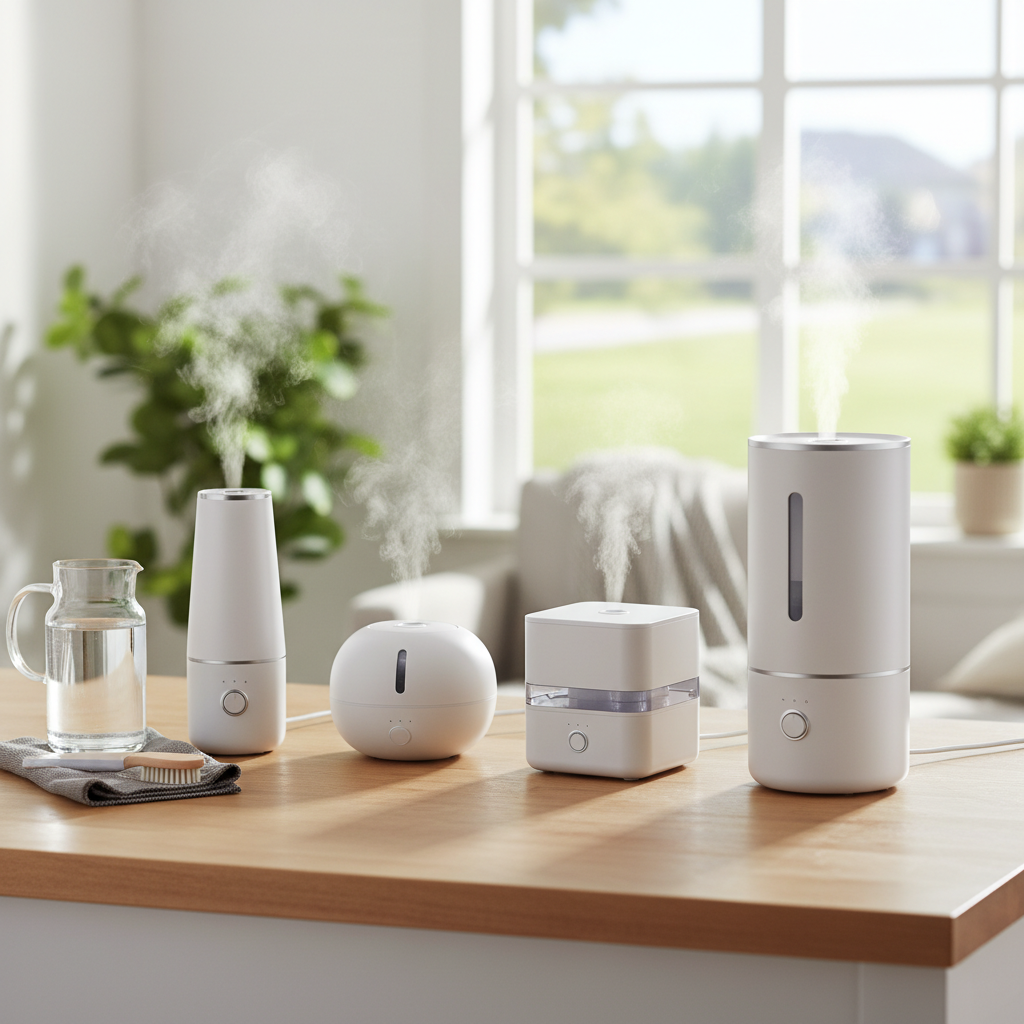
This comprehensive guide will navigate you through the world of filterless humidifiers, explaining how they work, their distinct advantages, and what to consider when choosing the perfect model for your home. We’ll delve into the different types available, provide essential buying tips, and show you how to keep your filterless unit pristine with minimal effort. Get ready to breathe easier and enjoy a healthier living environment with truly easy-care humidification.
What Are Filterless Humidifiers and Why Choose Them?
A filterless humidifier is exactly what it sounds like: a device designed to add moisture to your air without relying on a disposable filter. Traditional humidifiers often use wicking filters that absorb water and then allow a fan to evaporate it, or other types of filters to trap minerals and impurities. While effective, these filters require regular cleaning and replacement, adding to both the time commitment and the ongoing cost of ownership.
The primary appeal of filterless humidifiers lies in their simplicity and reduced maintenance. Eliminating the filter means you never have to buy replacements, which can save a significant amount of money over the humidifier’s lifespan. Beyond the cost savings, these units are often celebrated for their ease of cleaning. Many designs feature wide openings, dishwasher-safe components, or even stainless steel interiors that can be effortlessly wiped down or sterilized. This focus on easy care makes them particularly attractive for busy individuals, families, and anyone who prefers a straightforward approach to home appliance maintenance.
Beyond convenience, maintaining optimal indoor humidity offers numerous health and comfort benefits. Proper humidity levels (ideally between 40-60%) can help alleviate dry skin, chapped lips, and irritated nasal passages. They can also soothe sore throats, reduce static electricity, and even protect wooden furniture and flooring from drying out. A filterless humidifier helps you achieve these benefits without adding another chore to your weekly routine.
Exploring the Types of Filterless Humidifiers: Pros and Cons
While all filterless humidifiers share the common goal of adding moisture without a disposable filter, they achieve this through different technologies, each with its own set of advantages and considerations. Understanding these distinctions is key to selecting the right model for your specific needs.
Ultrasonic Humidifiers
Ultrasonic humidifiers are perhaps the most common type of filterless humidifier, known for their quiet operation and cool mist output.
How They Work: These units use a small, rapidly vibrating metal diaphragm (transducer) to break water into a fine, cool mist that is then dispersed into the air. This process bypasses the need for a heating element, making them energy-efficient and safe to touch.
Pros:
- Whisper-Quiet Operation: The ultrasonic vibrations produce very little noise, making them ideal for bedrooms, nurseries, and offices where silence is valued.
- Energy-Efficient: Without a heating element, ultrasonic humidifiers consume less electricity than warm mist models.
- Instant Mist: They produce mist almost immediately upon activation, quickly increasing humidity levels.
- No Filters: By design, they do not use internal wicking or particulate filters for humidification.
Cons:
- “White Dust” Potential: If you use hard tap water, the minerals present in the water will be atomized and released into the air as a fine white powder. This “white dust” can settle on furniture, surfaces, and even enter your lungs, potentially irritating sensitive individuals.
- Requires Distilled Water: To avoid white dust and prolong the life of the unit, using distilled or demineralized water is highly recommended, adding an ongoing cost.
- Frequent Cleaning: While filterless, the water tank and internal components still require diligent cleaning to prevent the buildup of mineral deposits, mold, and bacteria.
|
Our Picks for the Best Humidifier in 2026
As an Amazon Associate I earn from qualifying purchases.
|
||
| Num | Product | Action |
|---|---|---|
| 1 | LEVOIT Top Fill Humidifiers for Bedroom, 2.5L Tank for Large Room, Easy to Fill & Clean, 28dB Quiet Cool Mist Air Humidifier for Home Baby Nursery & Plants, Auto Shut-off for Safety, 25H |

|
| 2 | Dreo Smart Humidifiers for Bedroom, Top Fill 4L Supersized Humidifier Large Room with 28 dB, 36H Runtime, Touch/APP/Voice Control, Nightlight, Cool Mist Humidifiers for Baby, Plants, Indoor, Black |
|
| 3 | BOXING 3L Cool Mist Humidifiers, Ultra Quiet 20dB for Bedroom, Baby & Office, Top Fill Air Humidifier for Large Room Home & Indoor Plants, 30H Runtime, Essential Oil Tray, Night Light, BPA-Free, White |
|
| 4 | Homvana Humidifiers for Bedroom Home, 3.6 L Cool Mist Top-Fill 34H Super Long Time, Quiet 23dB, Baby Humidifier, Oil Diffuser for Large Room, House, Plant, Nursery, Office, BPA FREE, Ultrasonic (Grey) |
|
| 5 | MegaWise Topfill 7-colour Night light humidifier for Kid bedroom with 3.5L Large Capacity, No leakage Design Fine Mist Output Auto Shutoff, Essential Oil Safe Tank |
|
| 6 | LEVOIT - Humidifiers for Bedroom - Quiet (3L Water Tank) - Cool Mist/Top Fill/Essential Oil Diffuser/25Watt - Home/Large Room - 360° Nozzle - Rapid Ultrasonic Humidification for Baby Nursery/Plant |
|
| 7 | Humidifiers for Bedroom Large Room with 7L/1.85Gal Large Humidifier, Smart App & Remote Control, 4 Mist Levels Large Room Humidifiers for Home Midnight |
|
| 8 | BREEZOME 6L Humidifiers for Bedroom Large Room & Essential Oil Diffuser, Ultrasonic Top Fill Cool Mist Humidifiers for Baby, Plants, Nursery Last up to 60 Hours, Smart Humidistat Control, Quiet, Black |
|
| 9 | LEVOIT Humidifiers for Bedroom Large Room Home, (6L) Cool Mist Top Fill Essential Oil Diffuser for Baby & Plants, Smart App & Voice Control, Rapid Humidification & Auto Mode - Quiet Sleep Mode, Gray |
|
| 10 | Dreo Humidifiers for Bedroom, 4L Top Fill for Large Room, 36H Runtime, 28 dB Quiet Supersized Cool Mist Air Humidifier for Baby Nursery, Plants, Indoor, Night Light, Easy to Clean & Fill, White |
|
Steam Vaporizers (Warm Mist Humidifiers)
Steam vaporizers, often referred to as warm mist humidifiers, offer a different approach to filterless humidification, using heat to create moisture.
How They Work: These humidifiers contain a heating element that boils water, producing a clean, sterile steam that is then released into the room. The steam cools slightly before exiting the unit, but it still contributes to a warmer indoor environment.
Pros:
- Germ-Free Mist: Boiling the water naturally kills bacteria, mold spores, and other pathogens that might be present in the water supply, providing a sterile mist.
- No White Dust: Since minerals are left behind in the boiling chamber, warm mist humidifiers do not produce white dust.
- Filterless by Nature: The steaming process inherently eliminates the need for filters.
- Soothing Warmth: The warm mist can be particularly comforting during cold and flu season, helping to loosen congestion.
Cons:
- Higher Energy Consumption: The heating element requires more electricity than ultrasonic or evaporative models.
- Burn Risk: The hot water and steam present a burn hazard, making them less suitable for homes with young children or pets.
- Can Be Noisy: The boiling water can produce gurgling sounds, and some units have internal fans that contribute to noise.
- Mineral Buildup: While no white dust is emitted, minerals will accumulate as scale in the boiling chamber, requiring regular descaling.
Evaporative Humidifiers (Select Filterless Models)
While many traditional evaporative humidifiers use wicking filters, some advanced designs offer filterless operation, leveraging natural evaporation without consumable components.
How They Work: These units typically draw dry air over a water reservoir or a non-disposable wicking element, allowing water to naturally evaporate into the air. A fan often assists in circulating the humidified air. Truly filterless evaporative models might use a grid system to catch impurities that can be cleaned, or innovative internal structures that facilitate evaporation without a traditional, replaceable filter. Some, like the Carepod, emphasize sterile, easily cleanable materials such as stainless steel to prevent bacterial growth instead of relying on a filter for purification.
Pros:
- Self-Regulating: Evaporative humidifiers are often described as self-regulating because they only release as much moisture as the air can absorb, preventing over-humidification.
- No White Dust: As water naturally evaporates, minerals are left behind in the reservoir, eliminating the issue of white dust.
- Energy-Efficient: Generally consume less power than warm mist humidifiers, though a fan is often involved.
- No Filters: The specific filterless designs eliminate the ongoing cost and environmental impact of disposable filters.
Cons:
- Can Be Noisy: The fan required to move air over the evaporating surface can produce a noticeable hum.
- Mineral Buildup: Like warm mist humidifiers, evaporative models will accumulate mineral deposits in the water reservoir and on any non-disposable wicking elements, necessitating regular cleaning.
- Less Visible Output: Unlike ultrasonic or steam models, the moisture output is often invisible, making it harder to gauge immediate effectiveness without a humidistat.
Comparison Table: Filterless Humidifier Types
| Feature | Ultrasonic Humidifier | Steam Vaporizer (Warm Mist) | Evaporative Humidifier (Filterless) |
|---|---|---|---|
| How it Works | High-frequency vibrations | Boils water | Natural evaporation with fan |
| Mist Type | Cool mist (visible) | Warm mist/steam (visible) | Invisible mist |
| Filter Needs | None (filterless) | None (filterless) | None (filterless) |
| Noise Level | Very Quiet | Moderate (boiling/fan) | Moderate (fan) |
| Energy Use | Low | High | Low to Moderate |
| White Dust | Yes (with tap water) | No | No |
| Germs | Possible (if not cleaned) | Sterile mist (boils water) | Possible (if not cleaned) |
| Safety Concern | None | Burn risk | None |
| Best For | Bedrooms, nurseries, quiet spaces | Cold weather, congestion relief | Whole-home humidity, preventing over-humidification |
| Water Type | Distilled recommended | Tap water acceptable (requires descaling) | Tap water acceptable (requires descaling) |
Your Buying Guide: Key Factors for a Filterless Humidifier
Choosing the best filterless humidifier involves more than just picking the first model you see. To ensure you invest in a unit that truly meets your “easy care” criteria and effectively humidifies your space, consider these essential factors:
Room Size and Coverage Area
Humidifiers are designed for specific room sizes, typically measured in square feet. A humidifier too small for your space will struggle to raise humidity levels, while one that’s too powerful can lead to over-humidification, condensation, and potential mold growth.
- Small rooms (up to 250 sq ft): Ideal for personal humidifiers or compact ultrasonic models.
- Medium rooms (250-500 sq ft): Many standard filterless humidifiers are suitable for bedrooms, offices, and living rooms.
- Large rooms or open-concept spaces (500+ sq ft): Look for higher-capacity units, often indicated by larger water tanks and powerful mist outputs.
Always check the manufacturer’s recommended coverage area to match it with your room dimensions.
Desired Humidity Level and Control
Optimal indoor humidity for health and comfort generally falls between 40% and 60%. Look for filterless humidifiers with:
- Built-in Humidistat: This feature allows you to set your desired humidity level. The humidifier will automatically turn on and off to maintain that level, preventing over-humidification and conserving energy.
- Adjustable Mist Settings: Multiple mist output levels provide flexibility to customize the humidity intensity based on your needs and the room’s current conditions.
- Auto Shut-off: A crucial safety feature that automatically turns the unit off when the water tank is empty or when the desired humidity level is reached.
Budget Considerations
Filterless humidifiers generally range in price from around $40 to several hundred dollars. While they save you money on ongoing filter replacements, the initial investment can vary.
- Entry-level models: Often basic ultrasonic units with fewer features but still offer filterless operation and core humidification.
- Mid-range models: May include humidistats, larger tanks, aromatherapy trays, and slightly more advanced cleaning designs.
- High-end models: Typically boast smart features (Wi-Fi control, app integration), premium materials (like stainless steel), sophisticated designs, and specialized cleaning mechanisms (e.g., boilable parts).
Consider the long-term value: a slightly higher upfront cost for a durable, easy-to-clean unit with desirable features might be more cost-effective than a cheaper model that’s a hassle to maintain or needs frequent replacement.
Special Features for Enhanced Experience
Many filterless humidifiers come with additional features that can enhance their usability and your overall experience:
- Top-Fill Design: Simplifies refilling the water tank without spills or needing to carry a heavy tank to the sink.
- Aromatherapy Tray: Allows you to add essential oils to diffuse pleasant scents, turning your humidifier into a dual-purpose device.
- Nightlight/Display Off Mode: Essential for bedrooms, enabling you to turn off distracting lights for undisturbed sleep.
- Quiet Operation: While many filterless models are inherently quiet (especially ultrasonic), look for specific decibel ratings if noise is a critical concern.
- Smart Features (Wi-Fi/App Control): Allows you to control settings, schedule operation, and monitor humidity levels remotely from your smartphone.
- Easy Disassembly for Cleaning: Look for models with wide tank openings, few crevices, and easily removable parts to facilitate thorough cleaning. Some boast dishwasher-safe components or stainless steel construction for ultimate hygiene.
The Importance of Water Type
For ultrasonic filterless humidifiers, the type of water you use is paramount.
- Distilled Water: Highly recommended for ultrasonic models to completely eliminate “white dust” and reduce mineral buildup, prolonging the unit’s lifespan and ensuring cleaner mist.
- Demineralization Cartridges: Some ultrasonic humidifiers offer optional demineralization cartridges to help reduce white dust if you choose to use tap water. However, these are often an additional, ongoing cost.
- Tap Water: While usable in warm mist and some evaporative models, tap water will lead to mineral scale buildup. Regular descaling is crucial to maintain performance and hygiene.
Choosing wisely based on these factors will ensure your filterless humidifier delivers consistent, healthy humidity with the low-maintenance care you desire.
Top Filterless Humidifiers for Effortless Care
When seeking the best filterless humidifiers, models that prioritize both effective humidification and ease of cleaning stand out. Here are the characteristics and types that make certain units highly favored for “easy care”:
Key Features of Top Filterless Humidifiers:
- Wide Tank Openings: A large opening makes it incredibly simple to reach inside the water tank for thorough scrubbing and rinsing, preventing hidden mold.
- Smooth, Minimalist Interiors: Designs with fewer nooks and crannies mean less surface area for mineral deposits and bacteria to cling to, simplifying maintenance.
- Durable, Hygienic Materials: Humidifiers with stainless steel water tanks and bases, like the Carepod One, are prized for their resistance to microbial growth and ease of sterilization (some parts can even be boiled).
- Dishwasher-Safe Components: A significant convenience factor, allowing you to sanitize parts with minimal effort.
- Top-Fill Design: While not directly related to cleaning, a top-fill design reduces spills and makes daily refills quicker, encouraging consistent use.
- Effective Humidification: Regardless of easy care, the best units still deliver consistent and appropriate humidity levels for their advertised room size.
- Quiet Operation: Many top filterless models, especially ultrasonic ones, are designed to operate at very low noise levels, ideal for continuous use in living spaces and bedrooms.
Consider units that clearly advertise these “easy clean” features. Many ultrasonic and warm mist filterless humidifiers excel in this area by design, offering visible mist and straightforward tank structures. Brands often praised for user-friendly, filter-free designs include models from Carepod, Vornado, Honeywell, and Levoit. These companies often integrate features like large water capacities for long run times, adjustable mist output, and convenient controls to further enhance the user experience alongside their low-maintenance promise.
Using and Maintaining Your Filterless Humidifier
While filterless humidifiers eliminate the need for filter replacements, they are not entirely maintenance-free. Regular cleaning is absolutely essential to prevent the buildup of mineral deposits, mold, and bacteria, ensuring you always breathe clean, healthy mist. Neglecting this crucial step can lead to reduced performance, unpleasant odors, and even potential health risks, ironically defeating the purpose of a home humidifier.
“Many people think ‘filterless’ means ‘maintenance-free,’ but that’s a dangerous misconception. All humidifiers that handle water need regular cleaning to prevent mold and bacteria growth. The ‘easy care’ benefit of filterless models comes from simplifying how you clean, not eliminating the need to clean at all.” – Admin, Reviewook.com
Here’s a simple, effective routine for keeping your filterless humidifier in top condition:
Daily Routine: Rinse and Refill
Consistency is key for preventing significant buildup.
- Unplug and Empty: Always unplug your humidifier before handling it. Empty any remaining water from the tank and reservoir. Do not let water sit in the unit when not in use.
- Rinse Thoroughly: Rinse the water tank and base with fresh, clean water. Use your hands or a soft cloth to wipe down accessible surfaces.
- Refill with Fresh Water: Refill the tank with fresh water before each use. For ultrasonic humidifiers, always use distilled water to prevent the notorious “white dust” and minimize mineral buildup. For warm mist and evaporative models, tap water is generally acceptable, but distilled water will still reduce mineral scale.
Weekly Deep Clean: Descale and Disinfect
Once a week, perform a more thorough cleaning to combat mineral deposits and eliminate any microbial growth. Always refer to your humidifier’s specific instruction manual, as cleaning procedures can vary slightly by model.
- Disassemble: Unplug the unit, empty any water, and disassemble all removable parts such as the water tank, base, mist nozzle, and caps.
- Descale (Mineral Removal):
- White Vinegar Solution: Pour 1-2 cups of undiluted white vinegar into the water tank. Swish it around to coat the interior.
- Soak Components: Place smaller, mineral-coated parts into the vinegar-filled tank or a separate bowl of diluted vinegar (equal parts water and vinegar).
- Soak Base: Pour some vinegar directly into the humidifier’s base reservoir to cover any mineral buildup on the nebulizer (for ultrasonic) or heating element (for warm mist).
- Soak Time: Let the vinegar solution sit for at least 20-30 minutes, or longer for heavy buildup. The vinegar will naturally dissolve hard water deposits.
- Scrub and Rinse: After soaking, use a soft brush (a dedicated cleaning brush or an old toothbrush works well) to gently scrub away any remaining mineral scale. Rinse all parts thoroughly with clean water until the vinegar smell is completely gone.
- Disinfect (Germ Killing):
- Bleach Solution (Caution!): Create a disinfecting solution by mixing 1 teaspoon of liquid household bleach with 1 gallon of water. (Alternatively, you can use a 3% hydrogen peroxide solution).
- Apply Solution: Pour the bleach solution into the water tank, swish it around, and let it drain into the base. Place small parts in the solution.
- Soak Time: Let the solution sit for 15-20 minutes.
- Rinse Thoroughly: Rinse all components repeatedly and extremely thoroughly with clean water until the bleach smell is entirely undetectable. Residual bleach can be harmful.
- Dry and Reassemble: Allow all parts to air dry completely before reassembling the humidifier. This prevents any immediate regrowth of mold or bacteria.
Addressing Common Issues
- White Dust: This is almost exclusively an issue with ultrasonic humidifiers using hard tap water. The best solution is to switch to distilled water. Regular cleaning will also help manage any residual mineral particles.
- Mold or Mildew Smell: An unpleasant odor indicates bacterial or mold growth. Immediately perform a deep clean, focusing on the disinfecting step. Ensure daily rinsing and weekly deep cleans are consistently followed.
- Reduced Mist Output: Mineral buildup on the nebulizer (ultrasonic) or heating element (warm mist) can impede performance. A thorough descaling with vinegar should resolve this.
By committing to these simple cleaning practices, your filterless humidifier will continue to provide clean, comfortable moisture for years to come, truly living up to its promise of easy, healthy care.
Frequently Asked Questions About Filterless Humidifiers
Are filterless humidifiers better than filtered ones?
Filterless humidifiers offer significant advantages in terms of convenience and cost savings because they eliminate the need for expensive filter replacements and typically have designs that are easier to clean. However, they are not inherently “better” in terms of air purity, as filtered models specifically trap minerals and some impurities. The “best” choice depends on your priorities: if low ongoing cost and easy manual cleaning are paramount, filterless models excel.
Do filterless humidifiers produce white dust?
Many filterless humidifiers, particularly ultrasonic cool mist models, can produce “white dust” if used with hard tap water. This dust consists of minerals from the water that are atomized and dispersed into the air. To avoid white dust, it is highly recommended to use distilled or demineralized water in ultrasonic filterless humidifiers. Warm mist and evaporative filterless humidifiers typically do not produce white dust, as minerals are left behind in the boiling chamber or reservoir.
How often should I clean a filterless humidifier?
For optimal performance and hygiene, you should rinse and refill your filterless humidifier daily with fresh water. A more thorough deep clean, including descaling with white vinegar and disinfecting with a mild bleach or hydrogen peroxide solution, should be performed at least once a week, or more frequently if you notice mineral buildup or odors.
Can bacteria grow in filterless humidifiers?
Yes, bacteria, mold, and other microorganisms can grow in any humidifier where standing water is present, including filterless models, if not cleaned regularly. While filterless designs aim for easier cleaning, consistent maintenance is crucial to prevent microbial growth. Warm mist humidifiers offer a natural advantage as boiling the water sterilizes the mist.
What type of water should I use in a filterless humidifier?
For ultrasonic filterless humidifiers, distilled water is strongly recommended to prevent “white dust” and minimize mineral buildup. For warm mist and evaporative filterless humidifiers, tap water can be used, but be prepared for regular descaling due to mineral accumulation. Using distilled water in any humidifier will always reduce mineral deposits and simplify cleaning.
Conclusion
Choosing the right humidifier is about more than just adding moisture to your air; it’s about finding a solution that fits seamlessly into your lifestyle while promoting a healthier home environment. Filterless humidifiers stand out as an excellent choice for those who value convenience, cost savings, and simplified maintenance. By eliminating disposable filters, these innovative units reduce ongoing expenses and make the essential task of cleaning far more manageable, freeing you from constant filter changes and hidden grime.
Whether you opt for the whisper-quiet operation of an ultrasonic model, the germ-killing warmth of a steam vaporizer, or the balanced output of a filterless evaporative unit, prioritizing features like wide openings, hygienic materials, and clear cleaning instructions will ensure your humidifier truly delivers on its promise of easy care. Embrace the effortless path to optimal indoor humidity, and experience the profound benefits of well-humidified air – from improved respiratory comfort to healthier skin. What easy-care features are most important for your ideal filterless humidifier?